
Top Fertilizer Spreader Options for Global Buyers Today?

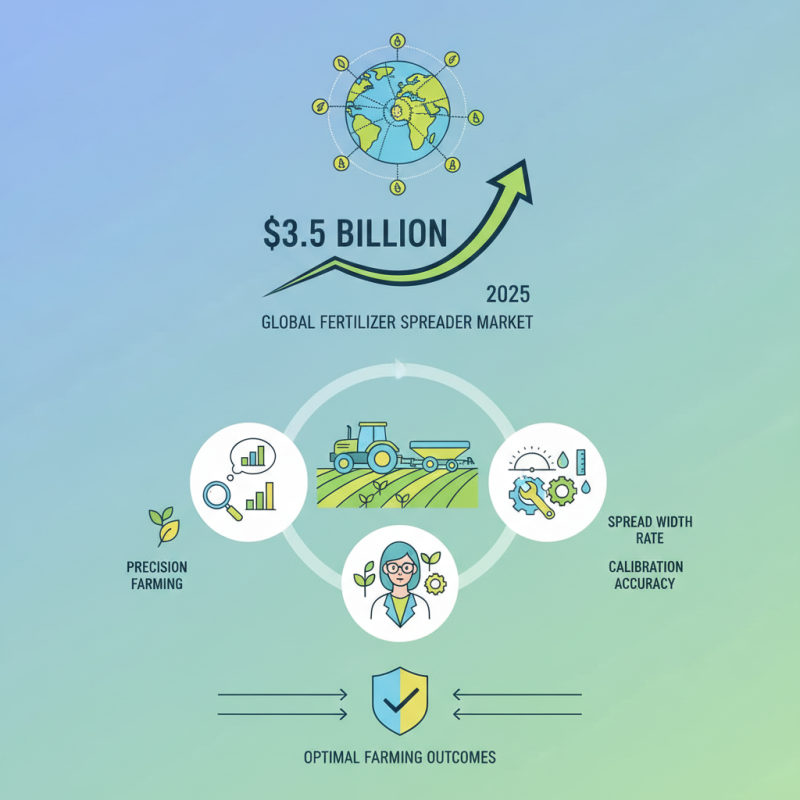
In today's agricultural landscape, the right Fertilizer Spreader can significantly impact crop yield and soil health. According to a report by Market Research Future, the global fertilizer spreader market is projected to reach $3.5 billion by 2025, driven by the increasing demand for precision farming tools. This evolution highlights the necessity of choosing effective technology among various options available to farmers.

Expert agronomist Dr. Jane Smith emphasizes this urgency: "Investing in a quality Fertilizer Spreader can enhance nutrient application efficiency." Her insights resonate within the industry, pointing to the necessity for farmers to adapt to modern techniques. With precision agriculture skyrocketing, selecting the best spreader is crucial.

However, choosing the ideal Fertilizer Spreader can be overwhelming. Many products promise success but may underdeliver. Decision-makers must weigh options carefully, considering features like spread width, application rate, and calibration accuracy. The complexities of this decision-making process are often overlooked, yet they play a vital role in achieving optimal farming outcomes.
Top Fertilizer Spreader Options for Global Buyers Today?

Top Types of Fertilizer Spreaders Available in the Market Today

Fertilizer spreaders play a crucial role in agriculture and gardening. Various types of spreaders are available to meet diverse needs. The most common types include broadcast spreaders, drop spreaders, and liquid spreaders. Each type has its own unique benefits and drawbacks.

Broadcast spreaders are popular for large areas. They distribute fertilizer over a wide swath, making them efficient. However, they can lead to uneven distribution, especially in windy conditions. Drop spreaders, on the other hand, provide more accurate placement of fertilizer. They drop the material directly below, reducing waste. Still, they require more time and effort for larger areas.

Liquid spreaders are another option. They allow for rapid application and even coverage. This method is ideal for applying nutrients in a more controlled manner. Yet, they can be complex and require regular maintenance. Choosing the right spreader depends on specific needs and the intended application. Each type presents trade-offs that should be carefully considered. Always reflect on local soil requirements and climate conditions to optimize effectiveness.

Top Fertilizer Spreader Options for Global Buyers Today

Type of Spreader Capacity (lbs) Coverage Area (sq ft) Material Best For
Push Spreader 50 10,000 Plastic Small to Medium Gardens
Tow-Behind Spreader 100 25,000 Metal Larger Lawns and Farms
Handheld Spreader 20 1,000 Plastic Small Areas & Potted Plants
Broadcast Spreader 75 15,000 Plastic & Metal All Sizes of Lawns
Fertilizer Spreader Cart 200 30,000 Metal Commercial Use & Large Areas

Key Features to Consider When Selecting a Fertilizer Spreader

When selecting a fertilizer spreader, buyers should focus on several key features. The capacity of the spreader is crucial. A larger tank means fewer refills, saving time during application. Some models offer adjustable settings. This allows precise control over the spread rate, ensuring even distribution of nutrients. Users often overlook this, but it affects crop health.

Durability is another vital aspect. The materials used should withstand various weather conditions. A spreader's longevity often depends on its construction. Rust resistance is essential, especially for those in humid areas. Additionally, consider the type of ground you're working with. Some spreaders perform better on uneven terrain.

It's essential to evaluate your own needs. For instance, how often will you use it? A heavier and more robust model may seem better, but it can be cumbersome. We should also reflect on the learning curve. Some spreaders require more skill to operate effectively. Hence, users may need training or guidance. Balancing these factors helps in making an informed decision.

Comparative Analysis of Manual vs. Automatic Fertilizer Spreaders

Fertilizer spreaders play a crucial role in effective crop management. When considering options, manual and automatic spreaders stand out. Manual spreaders require physical effort and continuous attention from the user. They are often less expensive and easier for small fields. However, they can lead to uneven distribution if not handled carefully. This can affect crop yield negatively.

On the other hand, automatic spreaders offer precision and efficiency. They can cover large areas in less time, reducing labor costs. These devices often come with advanced features like GPS tracking and programmable settings. Yet, they can be pricey and may require more maintenance. Users must weigh these factors carefully.

Choosing between manual and automatic options depends on the scale of your operations. Both types have advantages and disadvantages. The decision may also hinge on personal experience and comfort level with technology. Understanding these aspects can lead to better crop outcomes.

Top Brands of Fertilizer Spreaders for Global Buyers

When searching for fertilizer spreaders, buyers have several top brands to consider. Each brand offers unique features tailored to different types of agricultural needs. These devices range from simple hand-held options for small gardens to large tow-behind models for expansive farms. Customers often report varied experiences with different spreaders. Some struggle with uneven distribution, making it crucial to choose wisely.

A well-regarded spreader typically ensures consistent application of fertilizers. It minimizes waste and maximizes efficiency. Users have highlighted the importance of sturdy construction in durable products. Factors like weight, design, and hopper capacity can affect overall performance. However, a few users experience difficulty with assembly. This highlights the need for clearer instructions.

When evaluating brands, reliability is key. Many products undergo rigorous testing to ensure they meet industry standards. However, not every model performs as advertised. Customer reviews often reveal issues that deserve attention. Buyers should prioritize models with user-friendly designs and strong customer support, ensuring they receive the assistance needed for troubleshooting. Focusing on long-term use will lead to better choices overall.

Top Fertilizer Spreader Options for Global Buyers Today

This chart displays the popularity of different types of fertilizer spreaders among global buyers based on recent market research.

Tips for Maintaining and Optimizing Fertilizer Spreader Performance

Maintaining a fertilizer spreader is crucial for optimal performance. Regular maintenance ensures accuracy in application rates, which can directly influence crop yields. According to a report from the Agricultural Engineering Society, improper calibration can lead to a 30% reduction in nutrient efficiency. This is significant, given that every pound of fertilizer costs more than $0.50 on average.

Calibration should be a routine task. Use a scale to check the spreader every few hundred acres. Adjustments might be necessary as the seasons change. Dust accumulation can also affect performance. Clean spreaders after every use to minimize clogs and ensure even distribution. Lubricating moving parts is also key; a well-maintained spreader lasts 50% longer.

Operators should pay attention to the environment as well. Factors such as wind speed can alter fertilizer spread patterns. Studies show that winds over 10 mph can result in drift, affecting application precision. Doing a quick weather check before spreading can save resources in the long run. Remember, investing time in these maintenance tips often reduces long-term costs and improves overall efficiency.

Article Source:

We are using cookies on our website

Please confirm, if you accept our tracking cookies. You can also decline the tracking, so you can continue to visit our website without any data sent to third party services.