Top Tips for Choosing the Best Baking Cups for Your Needs?
When it comes to baking, the right tools make a significant difference. Baking Cups, often overlooked, are essential for achieving that perfect treat. In recent years, the global market for baking cups has seen substantial growth, expected to reach $1.2 billion by 2025. This rising trend signifies their importance in kitchens worldwide. A study from the American Baker's Association suggests that around 70% of bakers prioritize quality baking cups to avoid mishaps during baking.
Choosing the best baking cup can feel overwhelming. Options abound: silicone, paper, and aluminum. Each material has unique benefits. For instance, silicone baking cups are reusable, eco-friendly, and provide easy-release qualities. On the other hand, paper baking cups are often favored for their convenience and variety in designs, appealing to a wide audience.
Understanding your specific baking needs helps narrow your choices. Reflect on your favorite recipes. Are they heavy or light batters? Do you need cups for high temperatures? Not all baking cups perform equally under various conditions. Balancing aesthetics and functionality is key, yet many overlook this. Selecting the right baking cup could elevate your baking experience and ensure delicious results.
Understanding Different Types of Baking Cups: A Comprehensive Guide
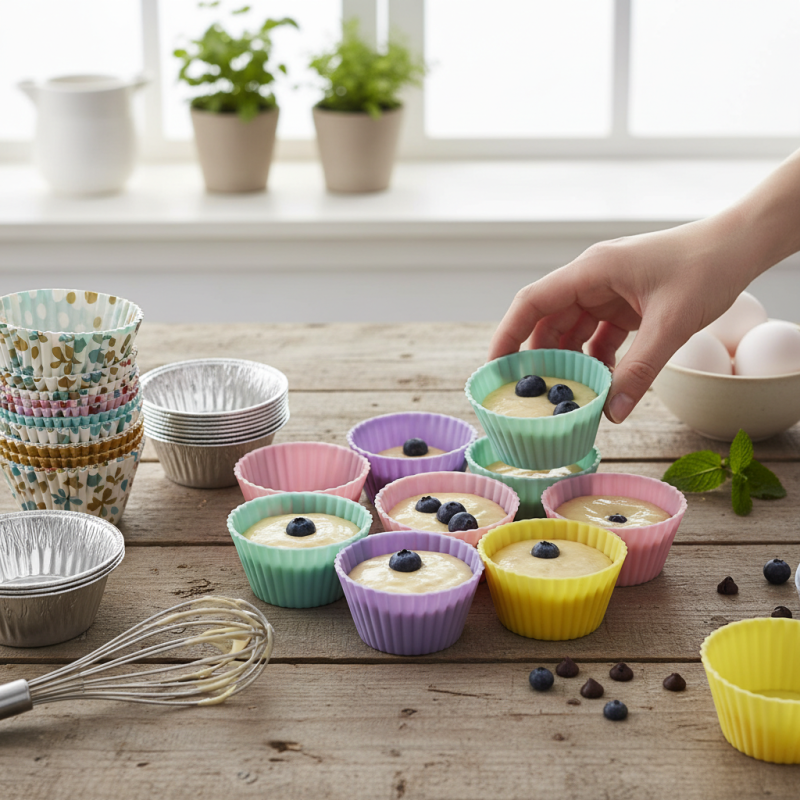
When selecting baking cups, understanding the different types available is crucial. There are paper, silicone, and metal options, each offering unique benefits. According to a 2021 market report, the baking cups segment is expected to grow by 4.5% annually. This data highlights the increasing demand for versatile baking solutions.
Paper cups are popular for their convenience and affordability. They are typically single-use and come in various sizes and colors. However, not all paper cups are created equal. Some may not hold up well in the oven, leading to spills or burnt edges. Always check for oven-safe certifications before purchasing.
Silicone baking cups are another excellent option. They are reusable and often non-stick, making the release of cupcakes and muffins easier. A study showed that silicone cups can withstand temperatures up to 450°F, promoting even heat distribution. However, some users report difficulty in handling them when full.
Metal baking cups are durable but may require additional greasing. Their heat conductivity ensures even baking, but they can be heavier and more challenging to store. Ultimately, the choice depends on personal baking habits and preferences. Consider your needs carefully for the best results.
Factors to Consider When Selecting Baking Cups for Various Recipes
When selecting baking cups, several key factors should guide your decision. The material of the cups can significantly affect the outcome of your recipes. Silicone cups offer flexibility, easy release, and are reusable, making them a popular choice. However, paper cups are often preferred for their simplicity and ease of disposal after use, though they can absorb moisture. An industry report from the American Baking Association indicates that nearly 70% of bakers prefer paper over silicone for cupcakes.
Another important aspect is the size and shape of the cups. Standard sizes are suitable for most recipes, but mini or jumbo options are available for specific treats. According to the International Journal of Food Science, using the right cup size can impact baking time and the overall texture of the product. It’s worth experimenting to see how different sizes perform.
Tip: Always check if the baking cups are oven-safe. Not all materials can withstand high temperatures.
Tip: Consider the recipe requirements when picking baking cups. For moist batters, non-stick options are ideal to ensure easy removal.
Ultimately, the choice of baking cups hinges on personal preference and recipe demands. Don’t hesitate to try different types and brands. Each has its quirks and advantages.
Top Tips for Choosing the Best Baking Cups
Material Comparisons: Paper, Silicone, and Metal Baking Cups
When it comes to baking cups, choosing the right material is essential. Paper baking cups are inexpensive and disposable. They absorb oil and provide a good grip. However, they can easily burn if not monitored. Silicone cups are flexible and reusable. They withstand high temperatures and come in various shapes. Still, they may not provide the best results without proper greasing. Metal baking cups are durable and excellent for uniform heat distribution. However, they require thorough greasing to prevent sticking.
When selecting baking cups, consider your baking frequency. If you bake often, silicone or metal might be wise investments. Paper cups are ideal for occasional bakers looking for convenience. Always check whether the cups are oven-safe. Some might not handle high temperatures well.
Experimenting with different materials can yield surprising results. Some bakers enjoy the ease of paper cups, while others prefer the reliability of metal. Understanding how each material affects cooking times can also change the final product. Test them out to see which one matches your baking style best.
Sizing and Capacity: How to Choose the Right Baking Cup for Your Needs
When it comes to baking, the right size and capacity of baking cups can make a significant difference. Standard-sized cups typically hold about 4 ounces of batter, perfect for muffins or cupcakes. Consider the portions you want to serve. If you're preparing for a large gathering, mini cups may be ideal. They are cute and bite-sized, appealing to guests. However, if you make larger treats, opt for bigger cups.
Choosing the correct size also impacts baking times. Smaller cups bake faster, while larger ones take more time. Keep an eye on your treats as they bake to avoid overcooking. You might need to adjust your oven's temperature slightly, depending on the cup's material. For example, metal cups tend to conduct heat better than paper ones.
Finally, think about how many cups you will need. It is easy to run out in a busy kitchen. Running out mid-bake can be frustrating. Consider owning a mix of sizes for variety. This way, you can adapt to different recipes without hassle.
Top Tips for Choosing the Best Baking Cups for Your Needs
| Cup Size | Capacity (oz) | Recommended Use | Material |
| Standard (2"x1.5") | 3 | Cupcakes, Muffins | Paper |
| Mini (1.5"x1") | 1 | Mini Cupcakes, Treats | Silicone |
| Large (3"x2") | 6 | Cake, Brownies | Metal |
| Jumbo (3.5"x2.5") | 9 | Large Muffins, Bread | Paper, Greased |
| Petite (1.75"x1.25") | 1.5 | Mini Treats, Snack Bites | Plastic |
Eco-Friendly Options: Sustainable Choices for Baking Cups
When selecting baking cups, eco-friendly options are an important choice. Many materials are now available that are both sustainable and functional. Consider using biodegradable baking cups made from compostable materials. These cups break down naturally, reducing waste in landfills.
Another sustainable choice is silicone baking cups. They can be reused multiple times and are easy to clean. Silicone is a durable material that withstands high temperatures. They are a practical alternative to single-use options. Remember to look for products that are free from harmful chemicals, which can leach into your baked goods.
Tips for choosing the right baking cups:
- Always check the material used in production.
- Look for certifications that indicate eco-friendliness.
- Consider the size of the baking cup to fit your recipe needs.
- Also, think about how many times you plan to use the cups.
A good investment can save you money and reduce waste. Being mindful of materials and production practices can greatly influence your baking experience.