Top 10 Meat Netting UK Suppliers for Global Buyers
Meat netting can shape a product’s appearance, support even cooking, and help keep a joint compact during handling. For global buyers, choosing a UK supplier means looking beyond a polished catalogue. Mesh size, elasticity, material, roll length, and compatibility with filling or roasting equipment all matter. Details matter.
This guide introduces ten meat netting UK suppliers for buyers comparing product ranges and commercial capabilities. It considers practical questions such as whether a supplier offers elastic or non-elastic netting, provides samples, supports repeat orders, and can discuss export packaging. A processor preparing rolled roasts may need a different mesh and stretch profile from a producer making smaller portions. The right specification depends on the product and production line.
Supplier information can change, and online descriptions do not always answer every technical question. Nothing is automatic. Treat this list as a starting point, not a certification or endorsement. Before requesting a quote, confirm dimensions, material details, minimum order quantities, lead times, and relevant food-contact documentation directly with the supplier. Ask how netting performs under your actual processing conditions, too. That step is easy to overlook. Comparing clear specifications and written answers can help international buyers identify a dependable partner and avoid costly mismatches.
What Meat Netting Is and How It Supports Food Processing
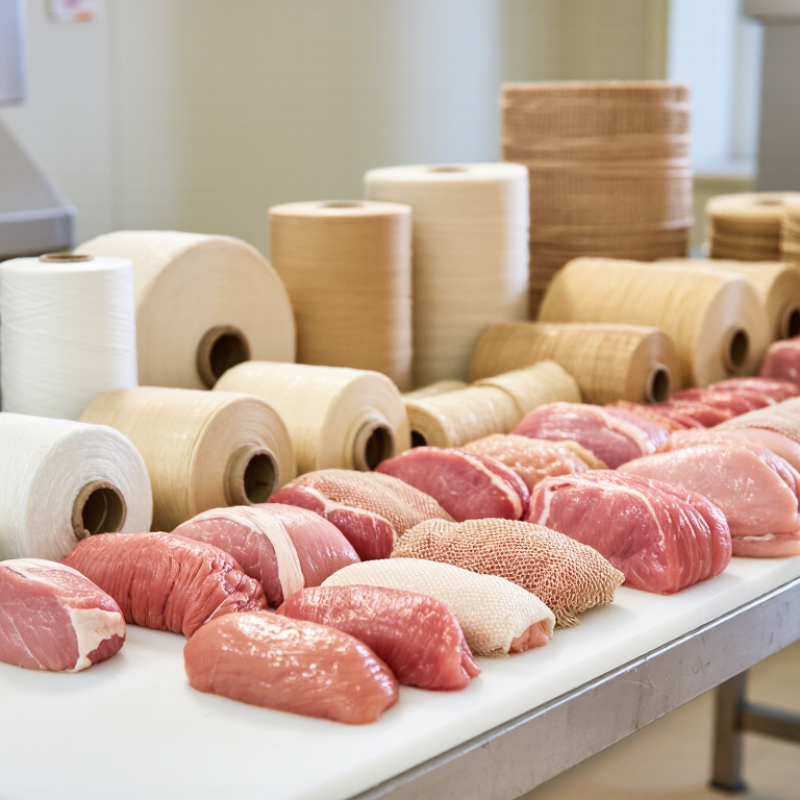
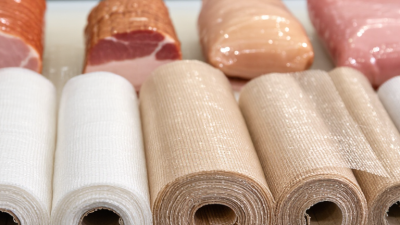
Meat netting is a mesh sleeve placed around products such as rolled roasts, poultry, and cured meats. It helps hold their shape during handling and processing. In cooking or smoking, suitable netting can support a more even, tidy appearance. The mesh also leaves a visible pattern on the surface. Small detail, but buyers notice it.
Netting comes in different materials, mesh sizes, and levels of stretch. Processors should match these features to the product, equipment, and intended cooking conditions. A sleeve that is too tight may mark or distort the meat; one that is too loose may shift during handling. Food-contact suitability and stated temperature limits matter. I would not assume every net is suitable for every process.
Tips: Test a sample on the actual product and line before ordering in volume. Check how easily it loads, whether it stays in place, and how the finished item looks after cooking. Record the result. One test may not reveal everything, especially when product sizes vary.
Common Types, Materials, and Applications of Meat Netting
Meat netting comes in several constructions, each suited to a different product shape and process. Elastic netting stretches around irregular joints and helps maintain a compact roast. Non-elastic netting offers firmer support for uniform cuts. Cotton is often chosen for traditional presentation, while polyester or polyamide options may suit particular production requirements. Material choice should match the intended cooking temperature and processing conditions.
Applications include formed hams, rolled roasts, poultry, and other cuts that need support during handling or cooking. Mesh size affects both appearance and airflow: a closer pattern can leave a more defined imprint, while wider openings expose more surface. Check that the netting is specified for its intended food-contact use and process. A sample can look right on the bench yet behave differently when stretched over a cold, damp joint. It is worth testing.
Tips: Confirm the relaxed and stretched diameters, mesh pattern, and temperature limits with the supplier. Test a small batch on the actual product. Record any slipping, tearing, or unwanted marks; those details are easy to overlook.
How to Evaluate UK Suppliers for International Purchasing
For global buyers, evaluating a UK meat-netting supplier means checking more than price and sample appearance. Ask for specifications covering mesh size, material, stretch recovery, and performance during the intended cooking process. Request batch traceability and recent test records, then compare them with your own product requirements. The FAO’s 2019 State of Food and Agriculture estimated that 14% of food is lost between harvest and retail. That figure is not specific to netting, but it underlines why consistent product performance and handling matter across food supply chains.
Check how the supplier manages export packing, lead times, and shipment updates. Confirm that food-contact documentation applies to the exact netting material and intended use, rather than relying on a generic certificate. Ask how complaints are investigated and whether production samples can be retained for comparison. One point worth questioning: a polished sample does not prove that every production batch will match it. Independent testing can help close that gap.
Tips: Request a written specification and a sample from a routine production run. Compare dimensions and flexibility after the same heat-and-cooling cycle you use in production. Also ask for packaging details, minimum order quantities, and a clear process for reporting defects. Do not assume every supplier measures performance in the same way.
Top 10 Meat Netting UK Suppliers for Global Buyers
How to Evaluate UK Suppliers for International Purchasing
The chart presents an illustrative 100-point evaluation framework, not ratings of individual suppliers. Buyers can use these criteria to compare product compliance, traceability, export readiness, delivery capability, quality consistency, and support.
Profiles of 10 UK Meat Netting Suppliers for Global Buyers
Top 10 Meat Netting UK Suppliers for Global Buyers
These ten supplier profiles help international buyers compare practical differences in UK meat netting offers. The focus is on product range, ordering support, and information buyers should verify before requesting a quotation. Some suppliers may offer elastic netting for formed joints, while others focus on tubular formats or made-to-order dimensions. Available mesh patterns, roll widths, and packing quantities can vary.
For a useful comparison, check whether each supplier provides a clear specification sheet, sample options, and guidance on matching netting to the intended product and equipment. Ask about material details, temperature limits, lead times, and export packaging rather than relying on a short catalogue description. A neat specification is helpful. It is not a handling test. Netting that looks suitable on paper may stretch differently during production, so a small trial can reveal problems early. The profiles are a starting point, not a substitute for checking the details directly.
Tips: Share your target diameter, mesh appearance, and expected order volume when requesting quotes. Keep one sample for a side-by-side stretch and fit check. Explain your requirements plainly; vague requests can lead to avoidable back-and-forth.
Export, Compliance, and Logistics Considerations for Buyers
For global buyers comparing UK meat-netting suppliers, export readiness matters as much as mesh strength. Request a current specification covering material, aperture size, stretch, colour, and intended processing conditions. Ask for batch traceability and food-contact documentation relevant to your product and destination. Requirements can vary by market and application. Do not assume a UK document automatically meets an importing country’s rules. Check how the netting performs after chilling, cooking, and removal from the product. Small details matter. A specification may look complete on screen but still leave practical questions unanswered.
Before ordering, agree on the delivery term, named delivery point, packing format, and responsibility for export and import clearance. Confirm the tariff classification and origin information with a customs professional; incorrect assumptions can delay clearance or change landed costs. Ask whether cartons are labelled for easy lot identification and protected from moisture during transit. Build time into the schedule for samples, approval, production, and freight, especially when orders need custom dimensions. Delays happen. In practice, buyers sometimes rush documentation until goods are ready to ship, when corrections become harder. Keep the supplier, freight forwarder, and customs representative aligned on quantities, shipment dates, and document versions.
Related Posts
-
How to Choose Butchers Meat Netting for Global Buyers?
-
How to Choose the Best Net for Cooking Meat?
-
China Top 10 Meat Mesh Manufacturers for Global Buyers?
-
China Top 10 Cooking Netting Manufacturers?
-
What Is the Best Meat Mesh Supplier in China?
-
China Top Butchers Meat Netting Suppliers for Global Buyers