
Top 10 Uses of Butchers Mesh in Various Industries?
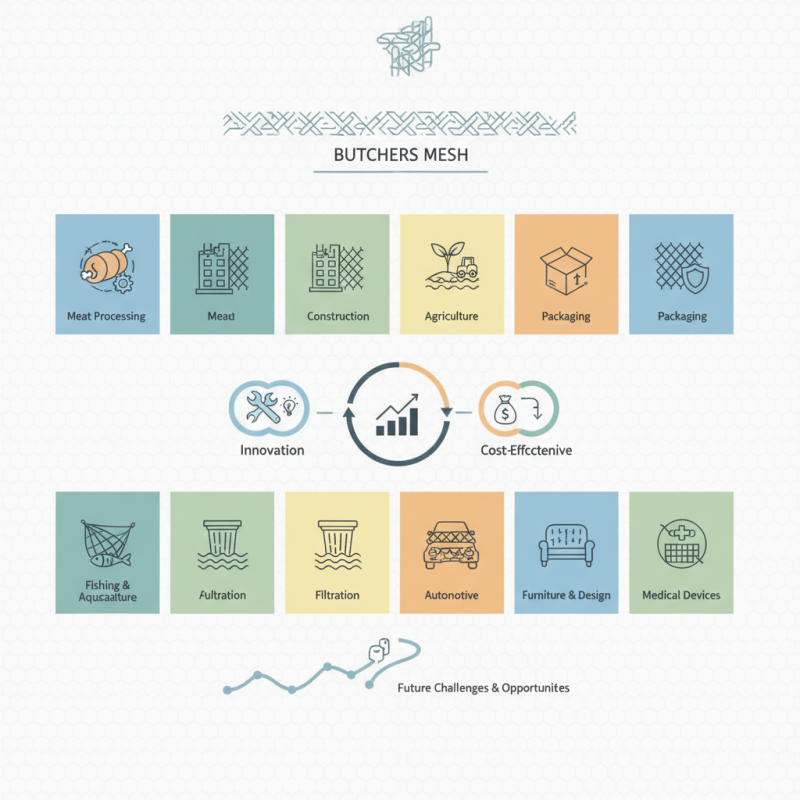
Butchers mesh, a versatile material, plays a crucial role across many industries. Its strength and durability make it ideal for various applications. According to a report by Market Research Future, the demand for butchers mesh is expected to grow at a CAGR of 6% between 2021 and 2026. This increase highlights its vital role in sectors like construction, agriculture, and packaging.
Industry expert Dr. Sarah Thompson, a leading authority on material applications, states, “Butchers mesh adapts to diverse needs, allowing for innovation in product development.” This adaptability underscores the importance of butchers mesh in modern manufacturing. Its use in meat processing, for example, enhances product quality and safety while promoting efficiency.
However, not all applications of butchers mesh are without challenges. As industries evolve, manufacturers face pressure to innovate while maintaining cost-effectiveness. Reflecting on these challenges can lead to better practices and improved outcomes. As the market for butchers mesh continues to expand, understanding its uses and potential pitfalls will be essential for ongoing success.
Top 10 Uses of Butchers Mesh in Food Processing and Packaging
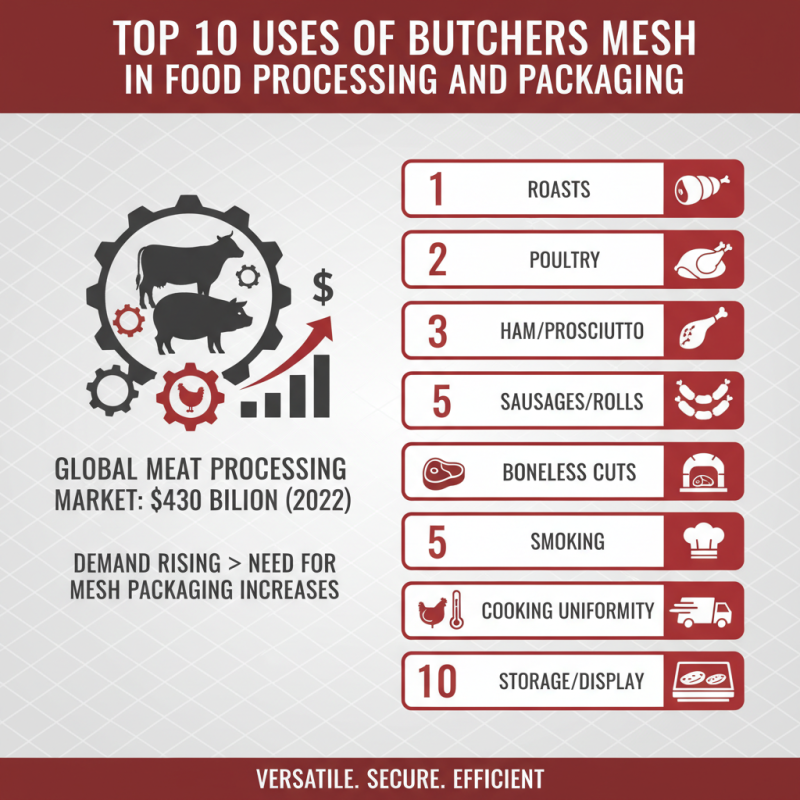
Butchers mesh plays a crucial role in the food processing and packaging industry. This highly versatile material is predominantly used for securing meat products and facilitating their transportation. In 2022, the global meat processing market was valued at approximately $430 billion. As demand for processed meat rises, so does the need for reliable packaging solutions like butchers mesh.
This mesh is not only functional but also helps enhance the shelf life of meat products. Studies indicate that the use of appropriate packaging can extend freshness by up to 30%. Its breathable nature allows for necessary air circulation while preventing contamination. This dual functionality ensures that meat remains safe and appealing to consumers.
Moreover, butchers mesh supports automated processes in food packaging. The widespread adoption of automation in food production, estimated at $18 billion in market size by 2025, highlights its importance. Yet, there are concerns about the environmental impact of synthetic mesh materials. Some manufacturers are exploring eco-friendly alternatives, but challenges remain. The industry must balance efficiency with sustainability to meet consumer expectations.
Innovative Applications of Butchers Mesh in Construction and Building
Butchers mesh is gaining traction in the construction industry for its versatile applications. Used primarily for reinforcement, it provides essential support in various structures. In fact, recent industry reports show that the demand for reinforcing materials, including butchers mesh, increased by 12% from the previous year. This growth highlights the mesh’s role in enhancing structural integrity and safety.
In construction, butchers mesh is often applied in concrete projects. Its grid design ensures even distribution of weight. This reduces the risk of cracking over time. Furthermore, its lightweight nature simplifies handling on-site. When improperly installed, however, it can lead to weaknesses. Thus, proper training in its application is critical.
Beyond reinforcement, butchers mesh is used in creating barriers and enclosures. In disaster-prone areas, it is invaluable for securing scaffolding and temporary structures. A construction report noted that projects using mesh for safety barriers reduced accidents by 25%. It’s clear that while this material offers many benefits, adherence to safety protocols and installation guidelines is paramount to prevent potential mishaps.
Butchers Mesh in Agriculture: Enhancing Crop Protection and Livestock Safety
Butchers mesh plays a pivotal role in agriculture, especially in enhancing crop protection and livestock safety. This versatile product consists of durable wire netting, providing a physical barrier against pests and wildlife. According to a report by the Agricultural Research Service, approximately 30% of crop losses are attributed to animal interference. Butchers mesh effectively mitigates this risk by acting as a safeguard, ensuring that crops remain intact and secure during crucial growth periods.
Moreover, livestock safety is paramount in farming. The mesh is used to reinforce enclosures, preventing animals from escaping and protecting them from predators. A study published in the Journal of Animal Science highlighted that robust fencing can reduce livestock loss by up to 50%. By investing in quality materials like butchers mesh, farmers can significantly lower risks associated with livestock management. However, the effectiveness of such barriers largely depends on proper installation and maintenance, which often requires ongoing evaluation.
This reliance on butchers mesh exposes weaknesses in agricultural practices. Farmers must consistently assess their systems to prevent failures. Combining mesh with other protective measures may yield better results. By drawing on data and staying informed about emerging trends, farmers can improve their productivity and safeguard their investments more effectively.
Top 10 Uses of Butchers Mesh in Various Industries
| Industry | Application | Benefits |
|---|---|---|
| Agriculture | Crop Protection | Protects crops from pests and harsh weather conditions. |
| Agriculture | Livestock Safety | Provides secure fencing to keep livestock safe. |
| Construction | Reinforcement | Enhances structural integrity of concrete and buildings. |
| Food Processing | Safety Barriers | Prevents contamination in food production areas. |
| Fishing Industry | Fish Traps | Durable material for building effective traps. |
| Horticulture | Trellising | Supports climbing plants for better growth. |
| Mining | Safety Mesh | Ensures safety of workers by preventing rock falls. |
| Transport | Cargo Nets | Secures loose items during transit. |
| Recycling | Sorting Materials | Facilitates the separation of recyclables from waste. |
| Outdoor Events | Barrier Fencing | Creates secure zones for crowd control. |
Exploring Butchers Mesh in Automotive and Aerospace Manufacturing
Butchers mesh plays a significant role in the automotive and aerospace manufacturing sectors. Its robust design and strength make it ideal for various applications. Engineers often rely on this mesh for structural reinforcement and as a protective barrier. In automotive applications, the mesh can enhance vehicle durability and reduce weight. Data from industry reports indicate that lightweight materials, including butchers mesh, contribute to a 10-15% increase in fuel efficiency in modern vehicles.
In aerospace, the importance of material choice is critical. Butchers mesh serves as a partitioning component in aircraft interiors, ensuring both safety and structural integrity. A recent analysis highlighted that using composite materials like butchers mesh can reduce overall aircraft weight by up to 20%. This weight reduction is essential for optimizing performance and reducing fuel consumption.
However, challenges remain. The integration of butchers mesh into existing manufacturing processes can be complex. Some manufacturers struggle with compatibility issues, especially in high-precision environments. The industry needs ongoing research to fully understand these challenges. Despite its advantages, achieving the perfect balance between weight, durability, and cost is still a work in progress.
Integrating Butchers Mesh into Environmental and Waste Management Solutions
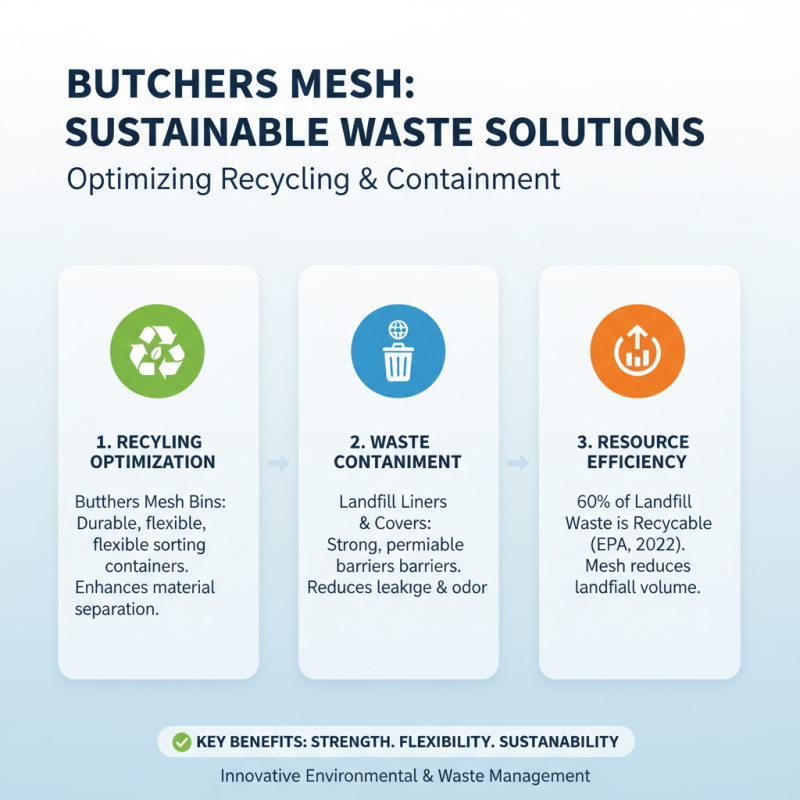
Butchers mesh, a versatile material, is making waves in environmental and waste management sectors. Its strength and flexibility allow for innovative applications, particularly in waste containment systems. A 2022 report from the Environmental Protection Agency highlighted that over 60% of landfill waste consists of materials that could be recycled. Integrating butchers mesh in waste management strategies can help optimize recycling processes.
One critical application is in constructing durable barriers for separating waste types. These barriers enhance segregation efficiency, a crucial factor in effective recycling. The mesh can withstand heavy loads, ensuring structural integrity in landfills. According to a study by the Waste Management Association, improved waste segregation can increase recycling rates by as much as 30%.
Furthermore, butchers mesh can be utilized in erosion control on landfill sites. It creates a protective barrier against soil erosion and promotes vegetation growth. This sustainable approach not only minimizes runoff but also supports biodiversity. Despite these benefits, some shortcomings exist. The long-term durability of the material under harsh conditions requires further assessment. Moreover, its production process could benefit from improved sustainability practices. Addressing these concerns can enhance its role in green initiatives.
Related Posts
-
Top 10 Nets for Meat Catching Tips and Techniques?
-

10 Essential Tips for Using Roast Netting Effectively?
-

Top Plastic Casings in Technology and Their Applications?
-

What is Meat in Netting and Its Benefits for Cooking?
-

What are clear fibrous casings and how are they used?
-

Top 10 Netted Meat Recipes You Must Try for Flavorful Dishes