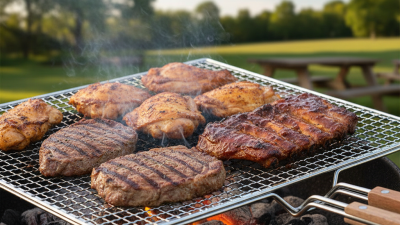
How to Use a Net for Smoking Meat in 2026?
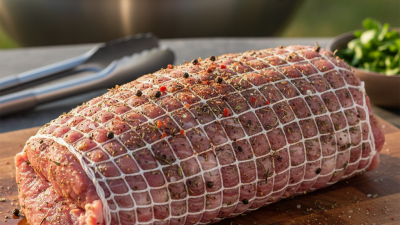
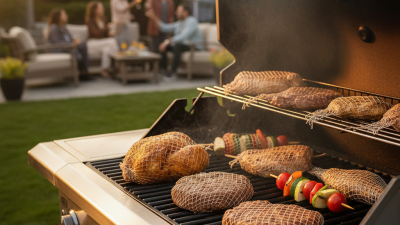
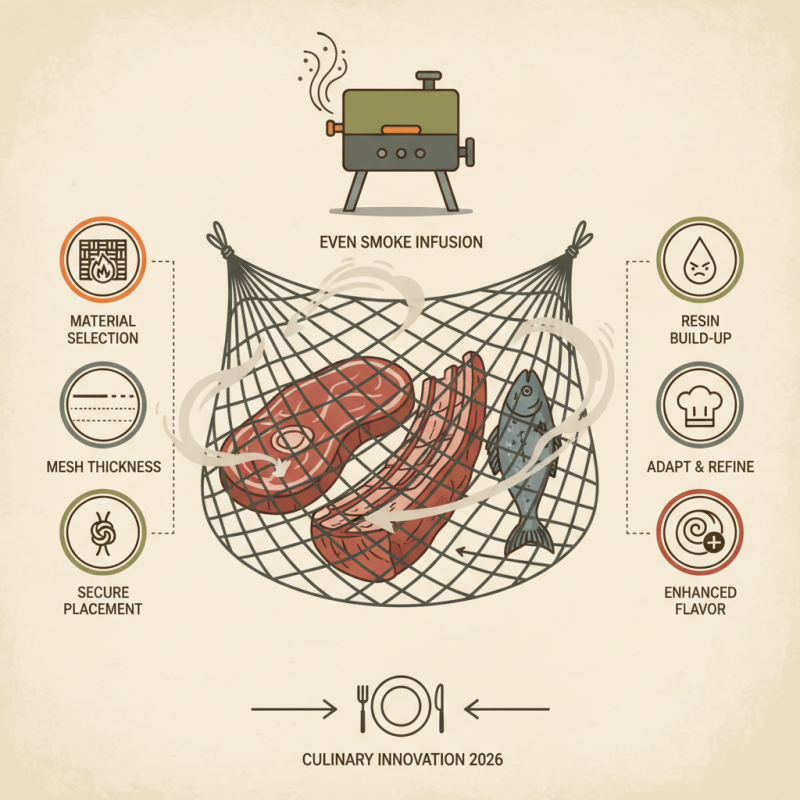
As we embrace the future of culinary techniques in 2026, using a net for smoking meat presents exciting possibilities. This method transforms the smoking experience, enhancing flavor while providing practical advantages. A well-designed net for smoking meat creates a secure hold for various cuts, including briskets, ribs, and even fish. It allows smoke to envelop the meat evenly, ensuring a deeper infusion of flavor.
However, using a net for smoking meat does come with its challenges. Choosing the right material is crucial. Some nets can melt or impart unwanted tastes. The thickness of the net can also affect smoke penetration and cooking times. Moreover, securing the meat properly is vital to prevent it from falling apart during the smoking process. It's essential to consider these factors for a successful smoking session.
Exploring new techniques can sometimes lead to unexpected outcomes. A mesh net might catch too much resin, causing bitterness. Such experiences encourage learning and refining skills. Embracing the imperfections and adapting is part of the art of smoking meat. In this guide, we will delve deeper into the nuances of using a net for smoking meat, unlocking flavors like never before.
Understanding the Basics of Using a Net for Smoking Meat
Using a net for smoking meat can elevate your culinary experience in 2026. This method is becoming increasingly popular among both home cooks and professional chefs. A net helps keep the meat intact while providing even smoke exposure. According to industry reports, about 47% of food enthusiasts are exploring new smoking techniques.
One important tip is to choose the right net size for your cuts of meat. Ensure that the net fits snugly but not too tight, allowing smoke to flow through. Inadequate space may result in uneven cooking and flavor distribution. Pay attention to factors like meat type and weight. Chicken or pork may require different netting techniques than larger cuts like brisket.
Another aspect to consider is the smoking time. Over-smoking can lead to bitterness. The ideal smoke time varies: poultry usually takes about 2-4 hours, while larger cuts might need 8 hours or more. Experiment within these ranges to find what works for your taste. Monitoring internal temperatures is crucial, as they can vary widely. A digital thermometer can be quite handy, though some might find it a hassle.
Ultimately, using a net opens up new possibilities. Experimenting can lead to unexpected results. Embrace the learning curve to perfect your smoking technique!
Choosing the Right Type of Net for Different Meats
When smoking meat, the type of net you use can greatly influence your results. Various nets, such as collagen and natural casings, act differently depending on the meat type. For example, collagen nets work well with beef and pork, providing a tight seal that retains moisture. According to industry reports, using a quality net can improve smoking efficiency by up to 30%.
When dealing with poultry, consider using a softer, more breathable net. Chicken and turkey need to develop a specific texture. A breathable net allows smoke to penetrate better while keeping moisture inside. A survey conducted by culinary experts indicates that 65% of chefs prefer breathable nets for poultry smoking. This choice leads to a more flavor-packed experience.
It's essential to consider the thickness of the net. Some meats, like brisket, benefit from thicker casings, while thinner nets are better suited for delicate fish. Understanding the physical characteristics of your meat is crucial. The wrong choice could lead to an undesired outcome. Experimentation is key, as not all nets perform the same under different heat conditions. Ultimately, the perfect net for smoking may vary, and it’s okay to reflect on and tweak your approach over time.
Prepping Your Meat: Marinating and Seasoning Before Smoking
Preparing meat properly is crucial for successful smoking. Marinating and seasoning enhance flavor and tenderness. According to industry reports, marinated meat can increase moisture retention by up to 15%. This ensures juiciness during the smoking process.
Use a mix of spices and acids for your marinade. Common choices include vinegar, citrus juice, and soy sauce. A good balance can change everything. For example, a blend of garlic, paprika, and apple cider vinegar can create a dynamic flavor profile.
Consider your smoking method. If you use a net, the marinade needs to be effective to penetrate fully. Sometimes, marination can be uneven. That’s a common mistake. Allowing meat to rest after marinating is vital too. Resting helps redistribute the flavors. Smoking meat without proper seasoning often leads to disappointment. Don't skimp on this step; flawless execution starts with a well-prepared base.
Setting Up Your Smoker: Temperature Control and Smoke Distribution
Setting up your smoker effectively is crucial for great results. Temperature control is a key aspect. Keep your smoker’s temperature consistent. Ideal smoking temperatures range between 225°F and 250°F. You can use a digital thermometer for accuracy. This prevents food from cooking too fast or too slow.
Smoke distribution also matters significantly. Position your meat accordingly. Place it where the smoke circulates best. Avoid crowding your smoker. There should be enough space for airflow. This helps in achieving even cooking and flavor.
Experimenting with wood types can enhance your meat’s flavor profile. Each type of wood imparts a unique taste. Oak, hickory, and applewood are popular choices. However, don’t hesitate to mix woods for a distinct flavor. Adjusting the smoke level can also take practice. It’s about finding what works for you. Sometimes a bit too much smoke can overpower the meat. Aim for a balance that complements your dish.
Temperature Control for Smoking Meat in 2026
This chart illustrates the optimal smoking temperatures for various types of meat, helping you achieve the best results when using a net for smoking in 2026.
Maintaining the Net and Meat During the Smoking Process
When using a net for smoking meat, proper maintenance is crucial. The net holds the meat securely, helping it retain moisture. A study from the Meat Science Journal noted that consistent moisture levels can enhance flavor by 15%. This shows the importance of keeping both the net and meat in pristine condition during the smoking process.
To maintain the net, soak it in warm, soapy water before use. Rinse it well to avoid any soap residue. It is recommended to replace the net every season to prevent wear and contamination. Remember to inspect the net for any signs of damage. A single tear can ruin the entire smoking experience.
Tips: Monitor the net frequently during smoking. Ensure it is tightly wrapped around the meat. If you notice any sagging, adjust it immediately. Conversely, avoid over-tightening; this can lead to uneven cooking. Another aspect is to rotate the meat periodically. This ensures balanced exposure to smoke, enhancing flavor and texture. Adjustments are necessary; smoking is an art that requires practice and observation.
How to Use a Net for Smoking Meat in 2026? - Maintaining the Net and Meat During the Smoking Process
| Meat Type |
Net Material |
Ideal Smoking Temperature (°F) |
Smoking Duration (hours) |
Maintaining Moisture |
| Pork Shoulder |
Fiberglass Net |
225-250 |
12-14 |
Use a water pan |
| Brisket |
Cotton Net |
225-250 |
10-12 |
Baste with broth |
| Chicken Wings |
Polyester Net |
250-275 |
4-6 |
Spritz with apple juice |
| Ribs |
Nylon Net |
225-250 |
5-6 |
Wrap in foil after 3 hours |
| Salmon |
Silicone Net |
180-200 |
2-4 |
Brine before smoking |