How to Use Fibrous Cellulose Casing for Sausage Making?

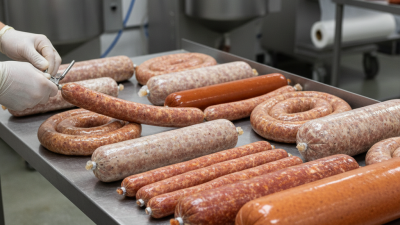
The use of fibrous cellulose casing in sausage making has gained significant traction in the food industry. Reports show that around 30% of sausages produced globally utilize this type of casing. Fiber-based materials offer unique advantages, including enhanced durability and versatility.

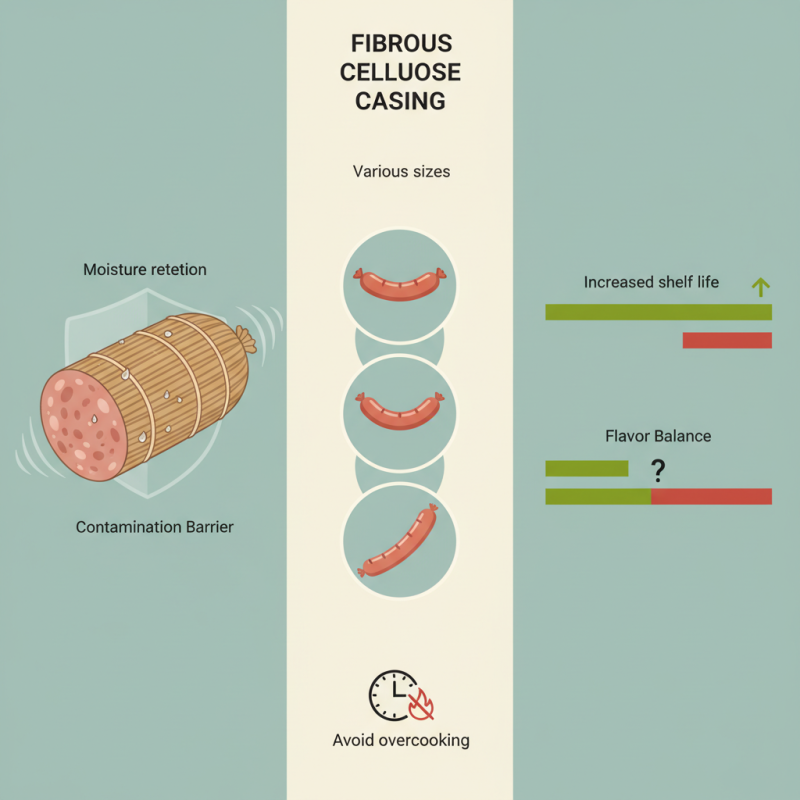
Fibrous cellulose casing provides a robust barrier against contamination while retaining moisture. This casing type comes in various sizes, accommodating a wide array of sausage types. However, not all manufacturers understand its proper application. A common pitfall is overcooking sausages with fibrous cellulose, which can affect their texture.

Data indicates that sausages made with this casing often have increased shelf life. Nonetheless, this does not guarantee improved flavor. It is crucial to find the right balance when using fibrous cellulose casing. The advantages are clear, but attention to detail remains vital in the sausage production process.
How to Use Fibrous Cellulose Casing for Sausage Making?

Understanding Fibrous Cellulose Casing in Sausage Making

Fibrous cellulose casing is gaining traction in the sausage-making industry. This material is made from cellulose fiber, often derived from wood pulp. It provides strength, durability, and versatility. According to a recent industry report, over 40% of sausage producers now utilize fibrous casings. This trend reflects the growing demand for higher-quality products.

One significant advantage is uniformity in size and texture. Sausage made with fibrous cellulose casings tends to have consistent dimensions. This can affect cooking times and overall quality. However, some producers report challenges in maintaining optimal moisture levels. Too much moisture can lead to casing blowouts during cooking. This is a concern that requires careful monitoring.

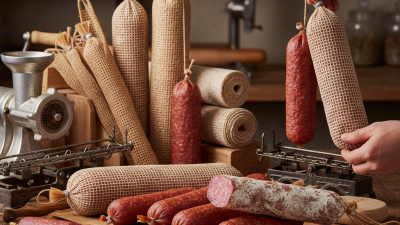
Additionally, fibrous casings are available in various styles. They can be both edible and inedible, offering flexibility in product types. While the majority of users appreciate the ease of use, there are still questions regarding flavor retention. Reports indicate that some consumers prefer natural casings for their distinctive taste. Balancing these preferences is essential for manufacturers. Understanding these variables ensures better sausage-making outcomes.
Usage Statistics of Fibrous Cellulose Casing in Sausage Making

This chart displays the percentage usage of fibrous cellulose casing across various types of sausages, highlighting its most common applications in sausage making.

Benefits of Using Fibrous Cellulose Casings for Sausages

How to Use Fibrous Cellulose Casing for Sausage Making?

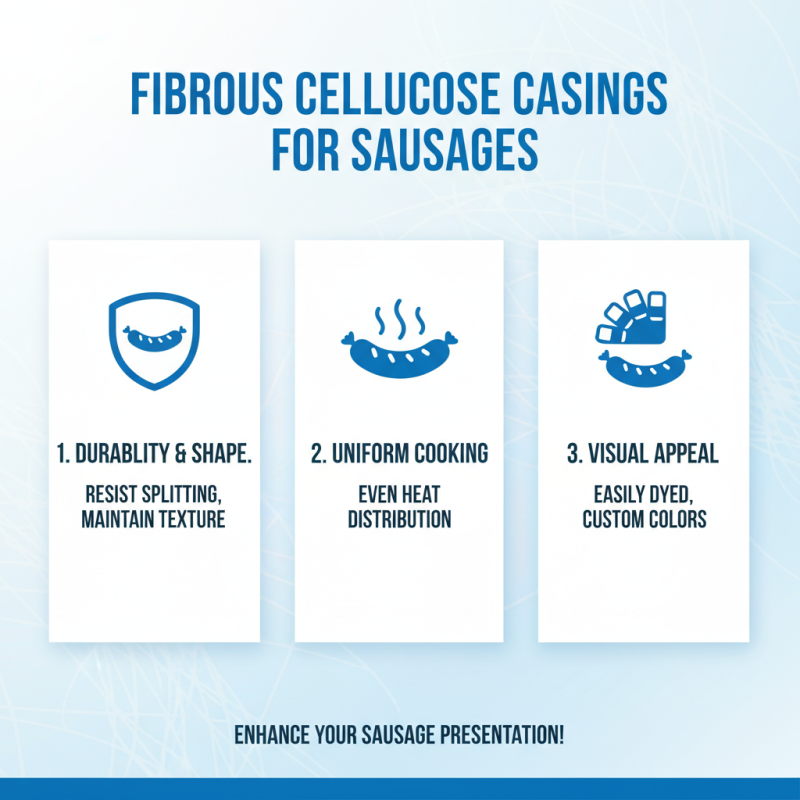
Using fibrous cellulose casings in sausage making offers numerous benefits. These casings are durable and resist splitting during cooking. This property ensures that your sausages maintain their shape and texture. Fibrous cellulose casings can also be dyed, allowing for visual appeal. You can choose vibrant colors to enhance your product presentation.

One of the key advantages is their ability to hold moisture. This moisture retention helps keep sausages juicy. Juiciness is a critical factor that consumers appreciate. These casings also allow for even cooking. As a result, your sausages come out perfectly cooked every time.

Tips: Make sure to soak your casings before using them. This step enhances their flexibility. It’s also important to stuff the casings lightly. Overstuffing can lead to bursting during cooking. Monitor your temperature while cooking, as this can affect the casing's integrity. Regularly check the sausages as they cook for optimal results. Using fibrous cellulose casings can transform your sausage-making experience. With some practice and attention to detail, you can create sausages that impress.

Preparing Fibrous Cellulose Casings for Use in Sausage Production

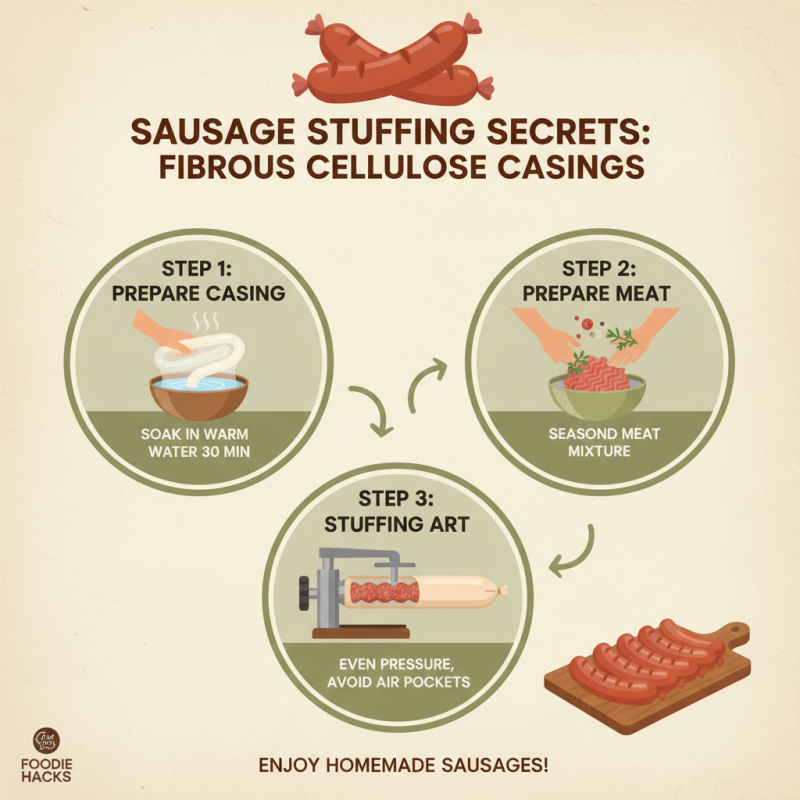
Preparing fibrous cellulose casings for sausage production is an important step that can significantly affect the final product. Begin by rinsing the casings under cold water. This removes any dust or residues from manufacturing. It’s crucial not to skip this step. The casings need to be pliable for easy handling. After rinsing, soak them in warm water for about 30 minutes. This helps them expand and become ready for stuffing.

When stuffing the casings, be careful not to overfill them. Overfilled casings may burst during cooking, leading to a messy end product. Keep the filling consistent to avoid separation. It’s a good practice to create small air pockets. This prevents the filling from compacting too tightly. Remember, the texture of the sausage is vital.

Tips: Always double-check the casing’s quality before use. Any tears or defects can ruin the sausage. If you're new to using cellulose casings, practice on a small batch first. This helps you get comfortable with the stuffing process. Be patient; it may take a few tries to achieve perfection. Each attempt is a learning experience.

Techniques for Stuffing Sausages in Fibrous Cellulose Casings

How to Use Fibrous Cellulose Casing for Sausage Making?

Stuffing sausages in fibrous cellulose casings can be an art. It's crucial to prepare both the casing and the meat mixture properly. Ensure that the casing is soaked in warm water for about 30 minutes before use. This step helps to soften the casing, making it easier to fill.

When you start stuffing, use a funnel or sausage stuffer. Fill the casing slowly to prevent air pockets. Keep a steady hand. Tightly pack the mixture, but don’t overstuff it. Overstuffing may lead to breakage during cooking. Leave a little space at the ends to tie off the casings.

Consider using a twist technique to form links. Twist every six inches or so for uniformity. This technique may take some practice. Mistakes can happen, like uneven filling or breakage. If that happens, don't be disheartened. Reflect on what went wrong and try again. Enjoy the learning process.

Cooking and Storing Sausages Made with Fibrous Cellulose Casings

Cooking and storing sausages made with fibrous cellulose casings requires attention to detail. After cooking, let the sausages rest. This helps retain moisture. The recommended temperature for cooking is around 165°F (74°C) to ensure food safety. According to industry reports, sausages cooked to this temperature can remain safe for consumption for up to 30 days when stored properly.

Storing these sausages should be done in a cool, dry place. Once opened, refrigerate them and consume within a week. Vacuum sealing can prolong their freshness, potentially keeping them good for up to three months in the freezer. Remember to label each package with the date you stored it.

Tips: Always ensure your workspace is clean before handling sausages. It reduces the risk of contamination. Consider using a food thermometer to check internal temperatures accurately. Finally, taste is essential. Experiment with different spices or herbs to find the right balance for your palette. Sausage-making is both an art and a science, and refining your technique can take time and effort.

We are using cookies on our website

Please confirm, if you accept our tracking cookies. You can also decline the tracking, so you can continue to visit our website without any data sent to third party services.