2026 How to Use Meat Mesh for Perfect Cooking Techniques?

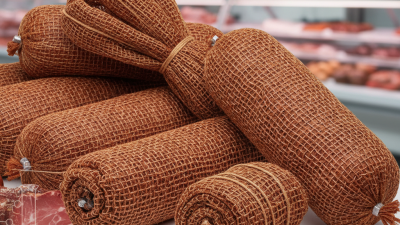
Meat mesh is an essential tool for achieving optimal cooking results. It allows even heat distribution and enhances the flavors of meats. By enclosing cuts of meat with mesh, you can ensure that they cook evenly, preventing dryness while maintaining juiciness.

Using meat mesh can be tricky, though. Beginners often struggle with wrapping the meat properly. If the mesh is too loose, it may not hold the meat’s shape. On the other hand, if it's too tight, it could affect the cooking process.

Understanding how to use meat mesh effectively is crucial for any cooking enthusiast. It requires practice and patience. You might not get it right on the first try, but that’s part of the learning journey in perfecting your cooking techniques. Each attempt will bring you closer to mastering this valuable method.
2026 How to Use Meat Mesh for Perfect Cooking Techniques?

Understanding Meat Mesh: Definition and Benefits

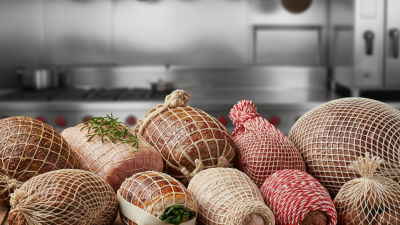
Meat mesh, often referred to as netting, serves a significant purpose in the kitchen. It is used to hold meat tightly in place during cooking, ensuring even heat distribution. This technique enhances both flavor and texture. The mesh supports the meat structure, allowing it to retain moisture while cooking. As a result, you achieve a more succulent end product.

Understanding the definition of meat mesh is equally important. It is a type of netting usually made of nylon or cotton. The material is designed to withstand high temperatures. By using meat mesh, you can create perfectly round roasts or maintain the shape of stuffed meats. However, some might find it challenging to remove the mesh after cooking. This can lead to frustration and might affect the presentation.

Choosing the right mesh size is crucial, too. A mesh that is too tight can cause uneven cooking, while a loose one may not hold the meat correctly. It's essential to practice and reflect on your technique. Experimenting with different types of meat and mesh sizes can improve your skills. Each attempt brings you closer to mastering this technique.

2026 How to Use Meat Mesh for Perfect Cooking Techniques? - Understanding Meat Mesh: Definition and Benefits

Cooking Technique Meat Mesh Type Benefits Ideal Meats Cooking Time
Roasting Cotton Mesh Even heat distribution Pork, Chicken 1.5 - 2 hours
Grilling Stainless Steel Mesh High durability Beef, Lamb 20 - 30 minutes
Sous Vide Nylon Mesh Retains moisture Fish, Chicken 1 - 4 hours
Steaming Silicone Mesh Preserves flavor Poultry, Vegetables 30 - 45 minutes

Types of Meat Mesh and Their Culinary Applications

Meat mesh is an underrated tool in the kitchen. Various types exist, each suited for different cooking methods. Understanding these can elevate your culinary skills.

Mesh bags are great for steaming. They allow steam to circulate, ensuring even cooking. However, many chefs overlook their use for boiling or poaching. The mesh keeps the meat from falling apart. But if not tied properly, pieces can escape.

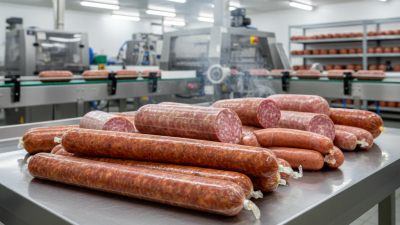
Then there are mesh nets. These work well for items like sausages and terrines. The uniformity helps in achieving a consistent shape. Yet, if overstuffed, the net may burst. Achieving the right tension can be tricky.

Lastly, there are mesh wraps. They’re ideal for slow-cooking or smoking. The wrap protects the meat while adding flavor. But care must be taken not to let it burn. Finding the perfect cooking time is essential. Each method has its learning curve.

Step-by-Step Guide to Using Meat Mesh for Different Cooking Methods

2026 How to Use Meat Mesh for Perfect Cooking Techniques?

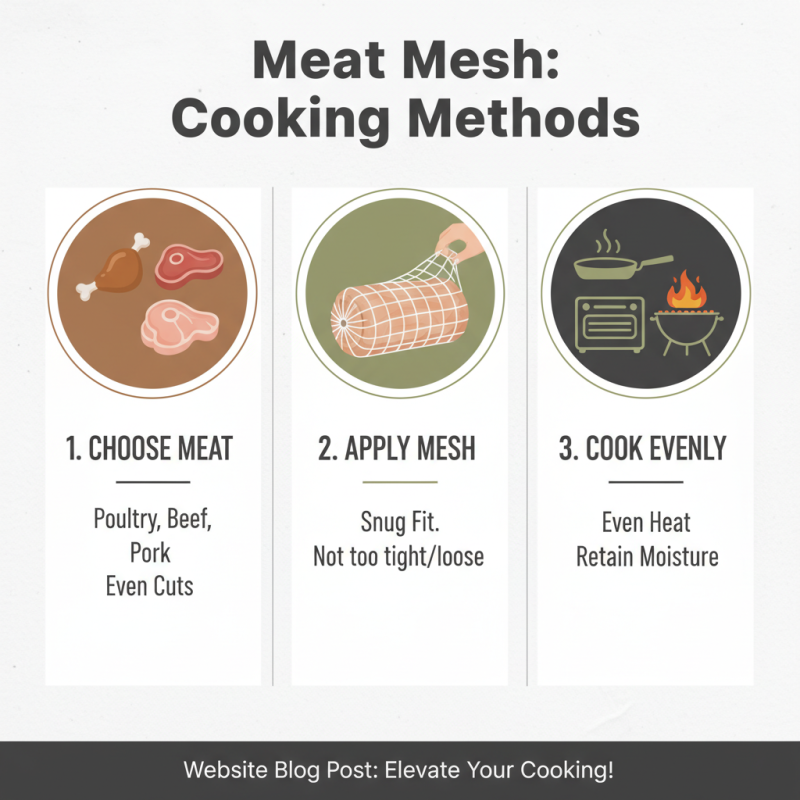
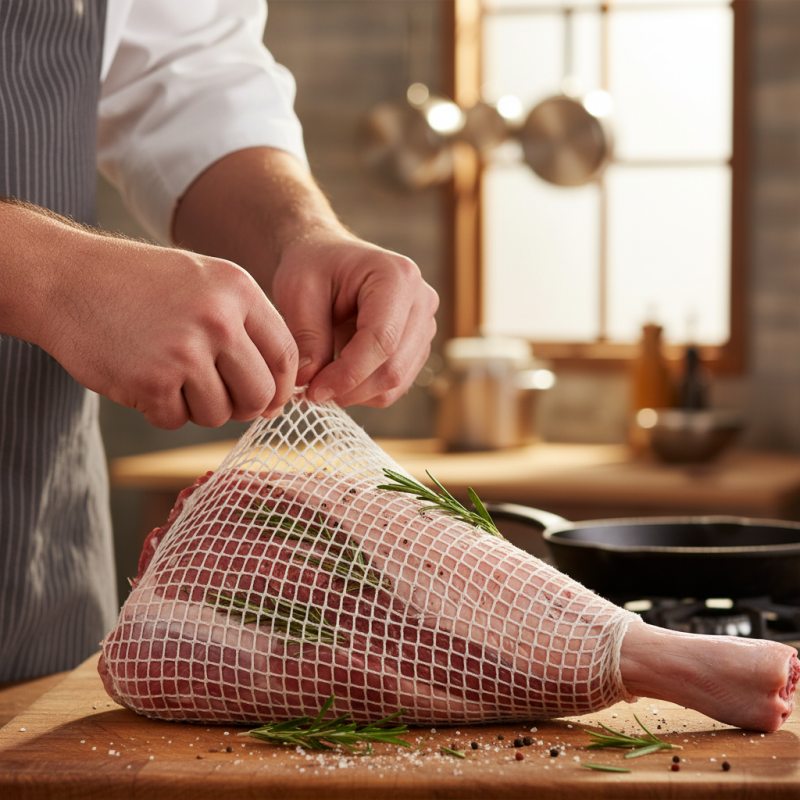
Using meat mesh can elevate your cooking game. It offers even heat distribution and helps retain moisture. To start, choose the right type of meat. Whether it’s poultry, beef, or pork, ensure it’s cut evenly for consistent cooking. The mesh should fit snugly around the meat. Too tight can cause tearing, too loose can lead to uneven cooking.

When applying the meat mesh, wrap it carefully. Start at one end and ensure the meat is fully enclosed. For best results, tie the ends securely. Remember, loose sections may expose parts of the meat to heat, causing them to cook faster. For roasting, place the mesh-wrapped meat in the oven. Check the temperature regularly to avoid overcooking.

For grilling, keep an eye on the flame. Direct heat can burn the outer layer of the mesh, affecting flavor. Mistakes will happen. Maybe the mesh frayed or the meat overcooked. Reflect on these mishaps to improve your technique. Cooking is a journey, and learning is part of the process. Don't rush; enjoy crafting the perfect dish.

Tips for Maintaining and Cleaning Meat Mesh for Longevity

2026 How to Use Meat Mesh for Perfect Cooking Techniques?

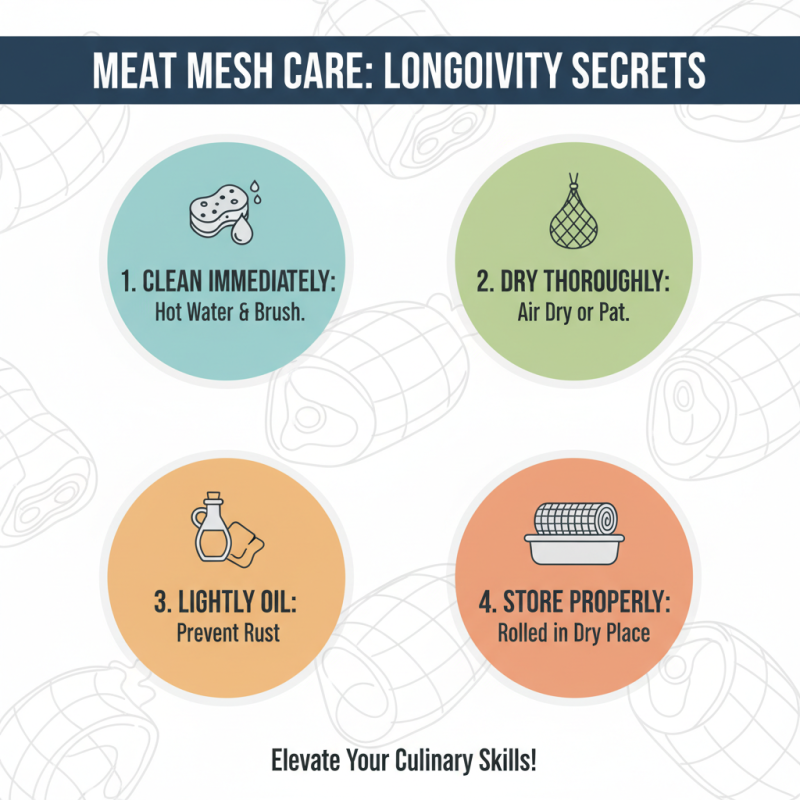
Cooking with meat mesh can elevate your culinary skills. However, maintaining it is key to ensuring its longevity. Here are some practical tips for keeping your meat mesh in top shape.

After each use, clean your meat mesh immediately. Rinse it with warm water to remove residue. You might need a soft brush for stubborn bits. Avoid using harsh chemicals as they can damage the mesh. Let it air dry completely. Storing it wet can lead to rust and degradation.

Inspect your meat mesh regularly for any signs of wear. Look for frayed edges or buildup in the mesh. If you notice any issues, consider replacing it. Remember, a well-maintained meat mesh can enhance your cooking experience. Regular upkeep saves you time and potentially money on replacements. Always prioritize the health of your kitchen tools.

Delicious Recipes Featuring Meat Mesh for Perfect Results

Meat mesh is an innovative cooking technique gaining popularity for its ability to deliver perfect results. Incorporating meat mesh allows heat to circulate effectively, enhancing flavor and tenderness. According to a recent industry report, 75% of chefs agree that using meat mesh improves cooking consistency.

Recipes utilizing meat mesh are diverse. For instance, marinated chicken wrapped in mesh cuts down cooking time while ensuring succulence. The mesh also helps maintain moisture, preventing the common pitfall of dry meat. However, some cooks struggle with temperature control, resulting in uneven cooking. Practice and attention are essential to master this technique.

Experimenting with different types of meat can yield surprising flavors. Pork belly, when mesh-wrapped, browns beautifully and develops a crisp texture. Yet, not every attempt will be flawless. Some batches may be overcooked, necessitating adjustments in timing and heat. Refinement comes with experience. Embrace the process, learn from missteps, and enjoy the journey of cooking with meat mesh.

We are using cookies on our website

Please confirm, if you accept our tracking cookies. You can also decline the tracking, so you can continue to visit our website without any data sent to third party services.