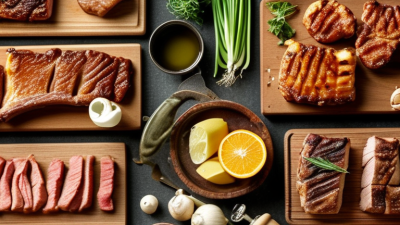
2026 Best Cooking Netting Options for Global Buyers?
The cooking netting market is evolving rapidly, catering to diverse global buyers. According to a recent report by Market Research Future, the cooking netting industry is projected to grow significantly, fueled by increasing culinary trends and convenience cooking. This growth indicates an expanding demand for high-quality cooking netting solutions.
Expert Chef Maria Gonzales, a renowned figure in culinary innovation, emphasizes, "Choosing the right cooking netting can enhance flavor and presentation." Her insights highlight the importance of selecting suitable materials for various cooking methods. With options ranging from natural fibers to synthetic netting, buyers must consider their needs carefully.
Many cooking netting products lack clear labeling and quality standards, leading to confusion. Some buyers overlook the significance of material safety and heat tolerance. This gap indicates the necessity for improved research and quality assurance in the cooking netting sector, ensuring both culinary success and consumer safety.
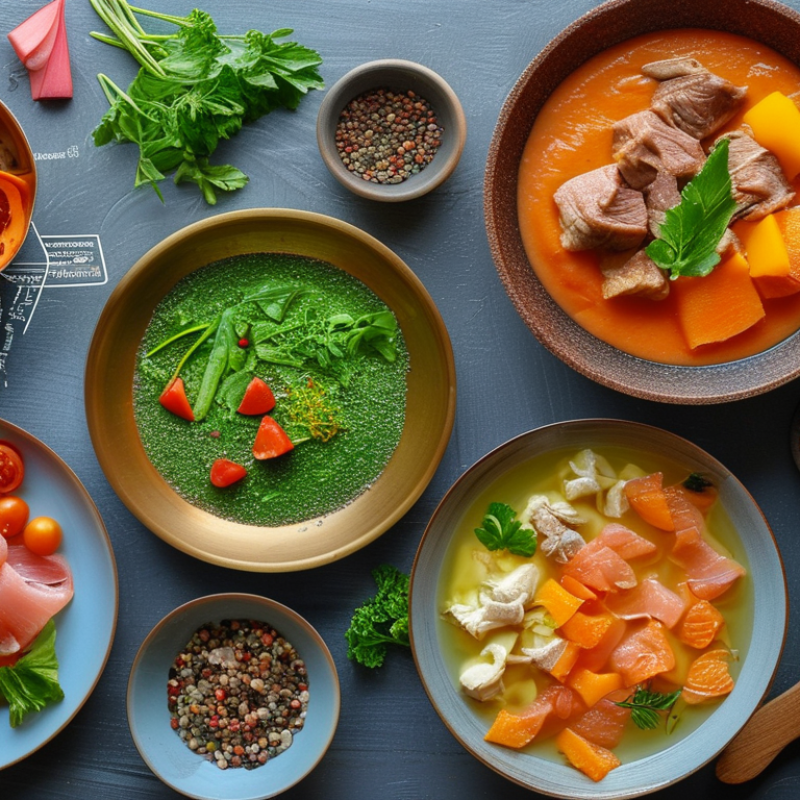
Overview of Cooking Netting: Types and Applications
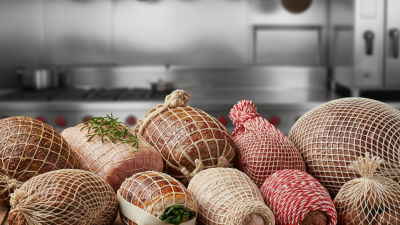
Cooking netting plays a crucial role in various culinary applications. Its primary function is to retain moisture and enhance flavor in foods during the cooking process. There are several types of cooking netting, including elastic nets, nylon nets, and natural fiber options. Each type serves a distinct purpose, catering to different cooking methods and food types.
A report by the Food Packaging Institute highlights that elastic netting is favored for its versatility. It can withstand high temperatures and is ideal for cooking meats like roasts and hams. Nylon nets, on the other hand, are increasingly popular due to their durability and ability to maintain shape during cooking. In contrast, natural fiber nets offer a more traditional approach, appealing to chefs who value sustainability.
However, it is vital to consider the environmental impact of these materials. While some nets are recyclable, many still contribute to plastic waste. The industry faces pressure to innovate in this area. As global buyers assess their options for 2026, they must weigh functionality against sustainability. Understanding the specific applications and limitations of various cooking netting is key to making informed choices for both culinary outcomes and environmental responsibility.
Material Choices for Cooking Netting: Pros and Cons
When choosing cooking netting, material selection can greatly affect functionality. Natural fibers like cotton and jute offer breathability. They are eco-friendly and biodegradable. However, these materials may not be heat resistant and can wear out faster than synthetic options. They may also absorb odors or flavors from ingredients, which can be a drawback.
Synthetic netting materials, like nylon or polyester, provide greater durability. They withstand high temperatures and resist tearing. These options are often easy to clean and maintain. Yet, some may contain chemicals that raise concerns. This can impact the safety of food preparation. Knowing the source of your material is vital.
Innovations in cooking netting are ongoing. Researchers are experimenting with new blends that combine the benefits of both classes. Some products claim to be heat-resistant and eco-friendly. However, it's essential to examine the claims. Not every product lives up to its marketing. Always consider longevity and safety before making a decision.
Key Features to Consider When Choosing Cooking Netting
When selecting the best cooking netting options, several critical features should guide global buyers. First, consider the material. Natural fibers like cotton are breathable and safe for food. Synthetic options, on the other hand, often offer durability and resistance to hot temperatures. Each material has its pros and cons. For instance, while synthetic netting may last longer, it might leach chemicals when heated.
Next, think about size and mesh density. The right size is essential for your cooking application. A tighter mesh catches more particulates, making it ideal for steaming or wrapping. Conversely, a looser net allows more airflow, perfect for smoking meat. Assessing your specific needs will lead to better culinary outcomes.
Lastly, reflect on the ease of cleaning and reusability. Some nettings are washable, promoting sustainability. Others may degrade after a few uses. Always check care instructions before making a purchase. This reflects on the long-term value of your investment.
Global Market Trends in Cooking Netting Supplies
The global cooking netting market is evolving. Buyers are increasingly looking for diverse options. These nets play a vital role in food preparation and presentation. Eco-friendly materials are gaining traction among consumers. Many prefer biodegradable choices over synthetic ones.
Current trends show a rise in demand for multifunctional netting. Chefs and home cooks seek products that can withstand high temperatures. They also desire nets that are easy to use and clean. The focus is not solely on performance; aesthetics matter too. Eye-catching designs can enhance the visual appeal of dishes. However, quality control remains a concern. Some nets may degrade faster than expected.
Understanding regional preferences is essential. In some cultures, traditional cooking methods favor specific types of netting. Others lean towards modern solutions that embrace innovation. This diversity presents both challenges and opportunities for suppliers. Tracking these trends can lead to better products. Yet, as trends change rapidly, constant adaptation is key for success.
Top Suppliers and Manufacturers of Cooking Netting Worldwide
In the ever-expanding world of cooking, choosing the right cooking netting is essential for chefs and home cooks alike. Many factors influence this choice. The type of netting can affect the cooking time, flavor, and presentation of a dish. If you're sourcing cooking netting, understanding the different materials available is key. Some nettings are made from polyester, while others are created from cotton. Each serves a unique purpose in the kitchen.
Finding reliable suppliers and manufacturers is another challenge. Many companies around the globe offer cooking netting, but not all are consistent in quality or delivery. Buyers should seek suppliers with a history of positive reviews and industry expertise. It can be beneficial to ask for samples to evaluate their products before placing large orders. Engage with manufacturers who emphasize quality control in their processes.
Evaluating cooking netting options ultimately comes down to the specific needs of your culinary creations. Are you prepping for a holiday feast? Consider different options that can elevate your dishes. Remain open to exploring various sources, even those less known. Innovation is often found in unexpected places. The search for the perfect cooking netting should be a thoughtful process, reflecting on quality and purpose.
Related Posts
-
How to Choose the Best Cooking Netting for Your Needs?
-
Best Butchers Net for Global Sourcing Opportunities?
-
Top 10 Uses of Butchers Mesh in Various Industries?
-

Top 10 Benefits of Ham Netting for Global Buyers?
-
10 Best Meat Nets for Perfectly Wrapped Meats?
-
Discover the Best Netted Meat Suppliers in China Today?