Butchers Mesh Tips for Sourcing the Best Quality Material?

Sourcing high-quality butchers mesh is critical for anyone in the meat industry. This material plays a vital role in ensuring safety and efficiency during meat processing. Selecting the right mesh can be challenging, given the variety of options available. Each type of butchers mesh has distinct characteristics that influence its utility and effectiveness.

Understanding the differences in materials, durability, and mesh size can enhance operational performance. It is essential to consider where and how the mesh will be used. For instance, a coarse mesh might suit specific applications better than a fine one. Visual inspection is necessary when assessing quality. A few imperfections can signal a lack of reliability.

Experts recommend sourcing butchers mesh from reputable suppliers. Thorough research can reveal the best options available. Every choice matters, as the right mesh contributes to food safety and quality. Being informed and reflective about your sources can lead to improved results in your meat processing endeavors.
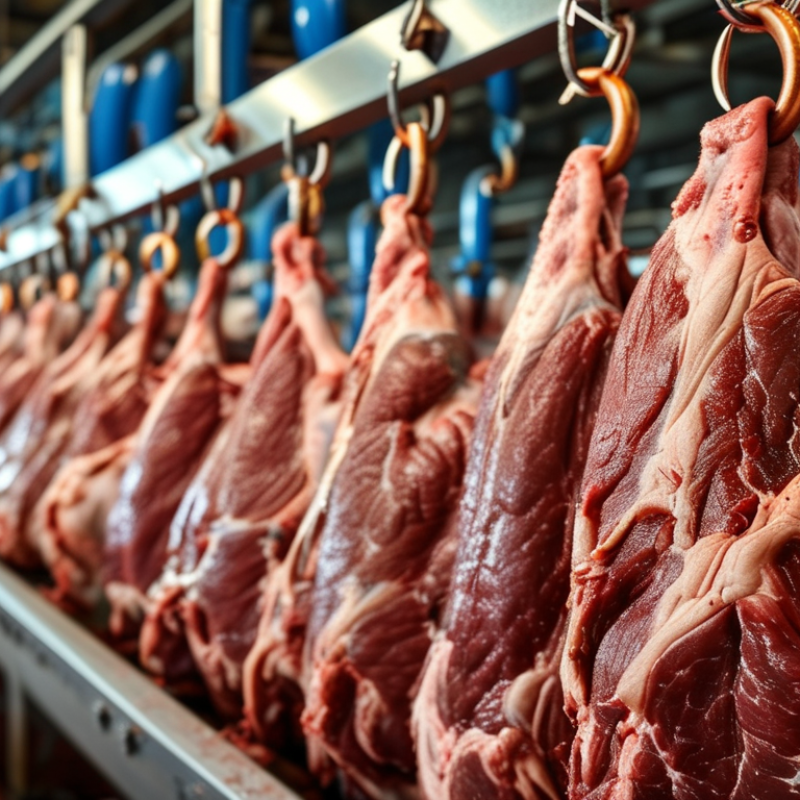
Butchers Mesh Tips for Sourcing the Best Quality Material?

Factors to Consider When Choosing Butchers Mesh Material

When selecting butchers mesh material, several factors play a critical role. The mesh's density is important; higher density typically results in better durability. Reports from industry experts indicate that materials with a denser weave can significantly reduce the risk of tearing. This is crucial, especially in high-demand environments. Choosing the right mesh also affects hygiene. Non-porous materials are easier to clean and maintain, which is vital in food processing.
It’s advisable to consider the mesh's resistance to environmental factors. Materials that withstand extreme temperatures and moisture are essential for butchers. According to research, up to 30% of meat contamination can arise from improper handling. Thus, a durable, resilient butchers mesh ensures both safety and quality.
Look for mesh options that are compliant with food safety standards. This not only protects your products but also your business reputation. Many suppliers provide compliance documentation, which is a key indicator of their reliability. Investing in quality materials is not just a choice; it’s a necessity for anyone serious about meat processing. Quality matters as it influences both performance and safety in the butchery.

Types of Butchers Mesh and Their Uses in the Industry

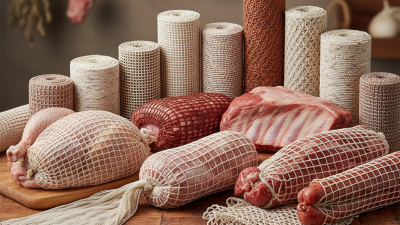
When it comes to butchers mesh, understanding the different types available is essential. Two common varieties are plastic and metal mesh. Plastic mesh is lightweight and often used for small-scale applications. It is resistant to moisture and easy to clean. However, it may not offer the durability required for heavy-duty tasks. Metal mesh, on the other hand, is designed for tougher conditions. It can withstand high temperatures and sharp objects, making it ideal for restaurants and butcher shops.

Different types of butchers mesh serve specific functions within the industry. For instance, coarse mesh is suitable for larger meat cuts. It allows for good airflow during processing. Fine mesh is better for smaller products, providing a tighter seal. Yet, it can retain more moisture, which might not be ideal in all circumstances. The choice of mesh influences both safety and quality in meat handling.

Quality is key when sourcing butchers mesh. Not all suppliers provide the same standards. Some may cut corners to reduce costs. This can compromise food safety and the final product's quality. Researching suppliers and asking for certifications can help ensure reliability. The wrong choice could lead to issues in processing and serving, affecting an entire business.

Evaluating the Quality of Butchers Mesh: Key Indicators

When sourcing butchers mesh, quality is crucial. The material should be durable and resistant to wear. Look for mesh that can endure various impacts and pressures. A good mesh should not only meet your functional needs but also reflect high craft standards.

To evaluate the mesh quality, check for uniformity in the weave. Uneven weaves may indicate poor production processes. Additionally, inspect the material for any fraying or weak spots. These could compromise its integrity.

Consider the mesh’s specifications carefully. A heavier weight often suggests better durability, but this isn’t always true. Lightweight options may offer flexibility and strength, depending on the material blend. Choose wisely based on your specific needs. Remember, it’s better to invest in quality than to regret a decision later.

Butchers Mesh Tips for Sourcing the Best Quality Material

Quality Indicator Description Ideal Level
Material Composition Check for high-quality stainless steel or other durable materials. 100% stainless steel or equivalent
Mesh Size Ensure appropriate mesh size for intended use (e.g., fine for sausages). 1/4" to 1/2" for most applications
Resistance to Corrosion Check for treatment or coating that prevents rust. No visible corrosion
Weave Type Evaluate the tightness and uniformity of the weave. Tight and consistent weave throughout
Durability Assess how well the mesh holds up under heavy use. Lasts multiple uses without damage
Certifications Look for compliance with industry standards. ISO or equivalent certifications

Sourcing Suppliers for Butchers Mesh: Tips and Best Practices

When sourcing suppliers for butchers mesh, it is crucial to focus on quality and reliability. Look for suppliers with a proven track record. Check their experience in the industry. An experienced supplier understands the specific needs of your business. They can offer valuable insights into material options and usage.

Consider visiting manufacturing facilities if possible. This allows for a firsthand look at their operations and material quality. Ask about the sourcing process of their raw materials. Transparency in sourcing often correlates with higher quality products. Don't hesitate to reach out for samples, as testing materials can reveal important information about strength and durability.

It is essential to conduct thorough research. Online reviews and testimonials can provide helpful feedback. However, they may not provide a complete picture. Engage with multiple suppliers to build a deeper understanding of the market. Real-life conversations can uncover nuances that online information might miss. Remember, not every supplier will meet your expectations. Reflect on your past experiences and refine your criteria for choosing the right partner.

Butchers Mesh Quality Sourcing Data

This bar chart illustrates the percentage distribution of suppliers based on the quality grades of butchers mesh material. Quality Grade A represents the highest quality standard, while Quality Grade D reflects the lowest. Understanding this distribution can assist in sourcing the best materials for butchers mesh.

Cost-Effectiveness vs. Quality: Finding the Right Balance in Sourcing

Finding the right balance between cost-effectiveness and quality is critical when sourcing butchers mesh. Prioritizing premium material can elevate your projects significantly. However, it’s essential to understand the budget constraints you may face. Many buyers focus solely on the lowest priced options, often compromising the overall outcome.

When considering your sourcing strategy, look closely at the material properties. Assess tensile strength and durability. Investing in better quality materials can lead to fewer replacements down the line, resulting in long-term savings. High-quality butchers mesh offers reliable performance under varying conditions, reducing the risk of failures.

Quality doesn’t always mean the highest price. Seek vendors who provide detailed product specifications. Compare samples to gauge the feel and flexibility. Evaluate the warranty or satisfaction guarantees they offer. Such insights can guide you in making informed choices. Reflection on past purchases reveals patterns where lower costs led to unsatisfactory results.

We are using cookies on our website

Please confirm, if you accept our tracking cookies. You can also decline the tracking, so you can continue to visit our website without any data sent to third party services.