How to Choose the Best Fibrous Salami Casing for Your Needs?
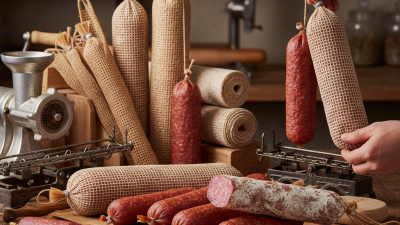
Choosing the right fibrous salami casing can significantly impact the quality and texture of your final product. Expert Joe D'Alessandro, a renowned charcuterie specialist, once stated, "The casing is the backbone of a great salami." His insight underscores the importance of selecting the appropriate casing.
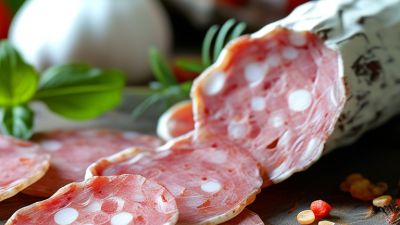
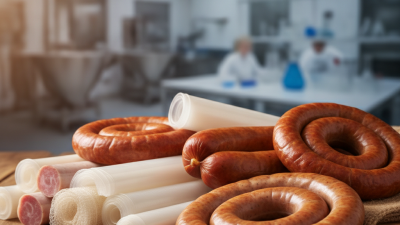
Fibrous salami casings are made from tightly woven cellulose, providing durability and consistency. They come in various sizes and textures, allowing for a range of salami styles. Some casings retain moisture well, while others facilitate proper drying. Understanding these differences is essential for achieving your desired outcome.
As you navigate the options available, consider your specific needs and production goals. The right choice may not be immediately apparent. Testing different casings can lead to unexpected results and important insights. Balancing quality and functionality requires a thoughtful approach. Ultimately, the right fibrous salami casing can transform your product and elevate your craft.
Understanding the Different Types of Fibrous Salami Casings
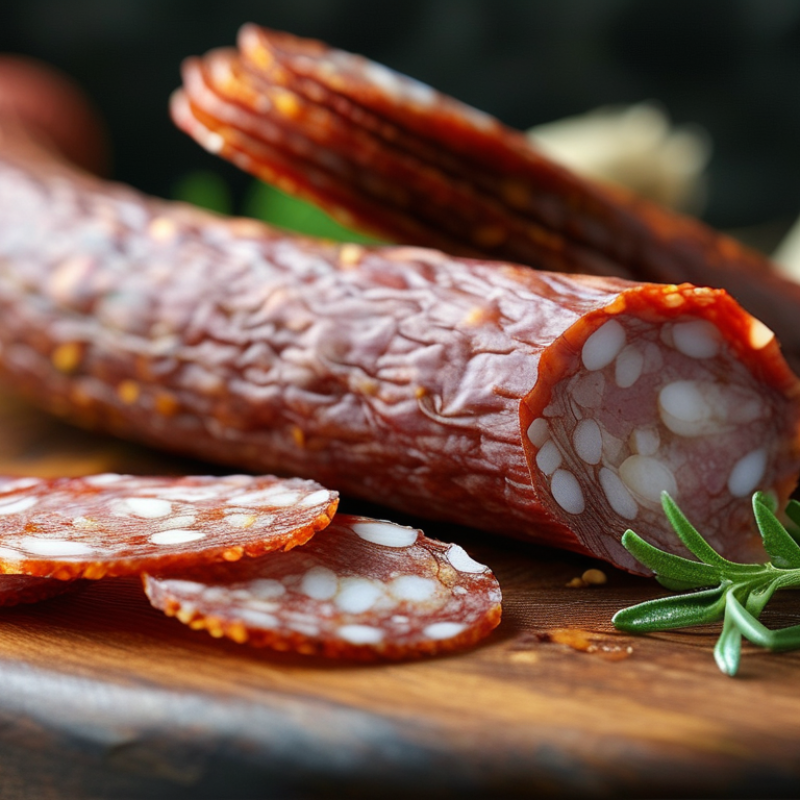
Choosing the right fibrous salami casing is essential for successful sausage production. Fibrous casings, made from cellulose, come in various types suited for different applications. Each type offers unique features, impacting flavor, texture, and appearance. According to industry data, approximately 40% of sausage products use fibrous casings due to their durability and ability to hold shape under various cooking processes.
There are three main types of fibrous casings: standard, smoke-colored, and flavored. Standard fibrous casings are robust and commonly used for traditional salami. Smoke-colored casings add a visual appeal, enhancing the product's marketability. Flavored casings, infused with herbs and spices, cater to niche markets. Each type serves a specific customer preference, and understanding these nuances can advance a product line.
Despite their popularity, fibrous casings can be challenging. Some producers report issues with shrinkage during cooking. This can alter the final product's texture and appearance. Additionally, not all casings allow for proper smoke penetration. Thus, selecting the right casing requires careful consideration of production methods and desired outcomes. The variability in quality can also affect overall product success. Being informed about these details helps producers make better choices in their operations.
Factors to Consider When Selecting Fibrous Salami Casings
When selecting fibrous salami casings, several factors are crucial. First, consider the diameter of the casing. It affects the salami's final appearance and texture. If you aim for larger sausages, a wider casing is essential. Conversely, smaller casings work well for snack-size products. Next, think about the casing's strength. Good fibrous casings should withstand stuffing without tearing. This durability is key during the curing process.
Look closely at the permeability of the casing. It influences moisture loss and flavor development. A casing that allows for proper air circulation is vital for achieving the desired taste. However, not all casings are created equal; some might require adjustments to your recipe.
Tip: Test different casings in small batches. This approach helps in understanding how each one impacts the flavor and texture.
Additionally, consider the finish of the casing. Smooth or textured surfaces can change the salami's overall feel. Some may prefer a more rustic look, while others want a polished finish. Each choice has implications for presentation and market appeal.
Tip: Keep track of your results. Documenting the process can lead to valuable insights for future batches.
Factors to Consider When Selecting Fibrous Salami Casings
Evaluating Quality: What to Look for in Salami Casings
When evaluating the quality of fibrous salami casings, consider a few critical factors. The material should be durable yet porous enough to allow smoke and flavor penetration. High-quality casings typically contain a blend of natural and cellulose fibers, which enhances their strength and facilitates a robust flavor profile. According to industry reports, the ideal thickness of fibrous casings ranges from 1.5mm to 2.5mm, balancing structural integrity and the fermentation process.
Texture is another significant aspect. Consumers should look for a smooth surface, as imperfections can affect the overall quality of the salami. In a recent analysis, approximately 75% of salami producers recognized that consistent texture positively impacts customer satisfaction. Most processors prefer casings that are easy to handle and tie, ensuring a hassle-free manufacturing experience.
Selecting the right casing can be a learning process. Prioritize suppliers who provide detailed specifications and production data. Engage with industry reviews to gauge the performance of different casings. Keep experimenting to find what works for your needs. Over time, developing familiarity with various options leads to better product outcomes. Adjustments may be necessary based on specific recipes or flavors, requiring careful observation and adaptation.
Sizing and Compatibility: Choosing the Right Casing Dimensions
When selecting the right fibrous salami casing, size matters significantly. The diameter of the casing affects the salami's smoking and drying process. If the casing is too large, your salami may not dry evenly. Conversely, a casing that is too small could lead to burst links during cooking. Accurate measurements are crucial for achieving the desired texture and flavor.
Compatibility is another key factor. Ensure your casing fits your stuffing equipment well. Using mismatched sizes can lead to wasted materials and a frustrating process. It’s essential to check both the inlet size of the stuffer and the casing diameter. Take time to evaluate this compatibility for a smoother experience. The proper dimensions can enhance not only the appearance but also the preservation of taste in your final product.
Some people overlook these details, focusing instead on other aspects. This creates room for mistakes. Taking the time to measure precisely may seem tedious, but it pays off in the long run. Reflecting on past attempts can also provide insight into areas that might need adjustment. Choosing the right dimensions is a straightforward step that has lasting impacts on your salami-making journey.
Common Brands and Their Features in Fibrous Salami Casings
When considering fibrous salami casings, knowing the brands and their distinct features is crucial. Research indicates that casings vary in permeability, strength, and texture. Typically, manufacturers design casings to ensure optimal moisture control while maintaining structure during drying. Some brands focus on natural fibers, contributing to a uniquely robust flavor profile, while others utilize synthetic materials for enhanced durability.
Industry reports suggest that fibrous casings can greatly affect the final product’s texture and taste. For instance, premium casings often feature a uniform thickness, which can lead to a consistent drying process. This consistency may result in a better mouthfeel, an essential aspect for food enthusiasts. However, a common oversight is neglecting to match the casing type to the desired salami style. Understanding whether a particular casing can achieve the needed firmness and smokiness is vital.
Data reveals that about 30% of producers underestimate the impact of casing selection. This can lead to inconsistencies in salami quality. Some casings might not withstand high heat during processing, causing ruptures. Choosing the right casing is not merely about aesthetics; it directly impacts the product's integrity. Testing different options can yield surprising results, making this an area ripe for exploration and improvement.