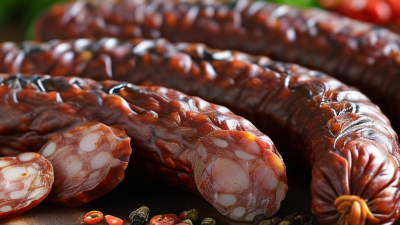
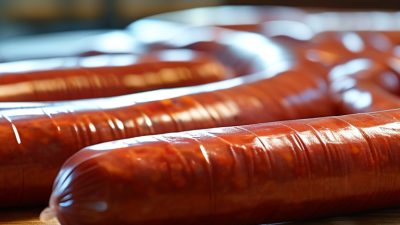
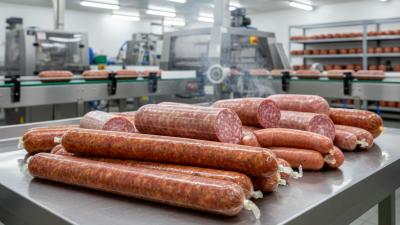
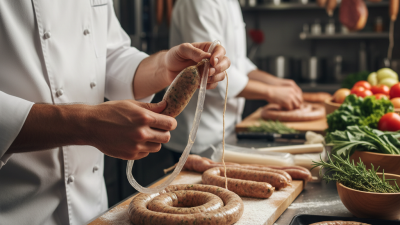
How to Choose Pepper Lined Sausage Casings in 2026?
Choosing the right sausage casing can shape flavor, texture, appearance, and production efficiency in 2026. Pepper lined sausage casings offer a distinctive visual finish and a controlled pepper note, but they are not suitable for every recipe or processing line. Their performance depends on casing material, pepper distribution, diameter, moisture level, and filling pressure.
This guide examines how producers can compare pepper lined sausage casings with practical, evidence-based criteria. A casing may look attractive in a sample pack, yet split during stuffing or wrinkle after cooking. I have found that small tests reveal more than polished supplier claims. Check elasticity by hand, observe the pepper layer under bright light, and record the casing’s behavior during linking and thermal processing. A short test batch helps expose weak points.
Reliable selection also requires documented specifications. Ask suppliers about ingredients, allergen controls, storage conditions, traceability, and recommended cooking temperatures. Confirm that the casing complies with applicable food-contact requirements in your target market. Quality should be repeatable, not merely impressive once. That matters.
The ideal choice balances pepper intensity, bite, production speed, shelf stability, and customer expectations. Some buyers may prefer a bold, uneven pepper appearance, while others need a cleaner, uniform finish. There is no universal winner. Even experienced manufacturers can overlook humidity changes, equipment differences, or formulation adjustments. Review results after production, question unexpected defects, and refine the specification before making a large purchase.
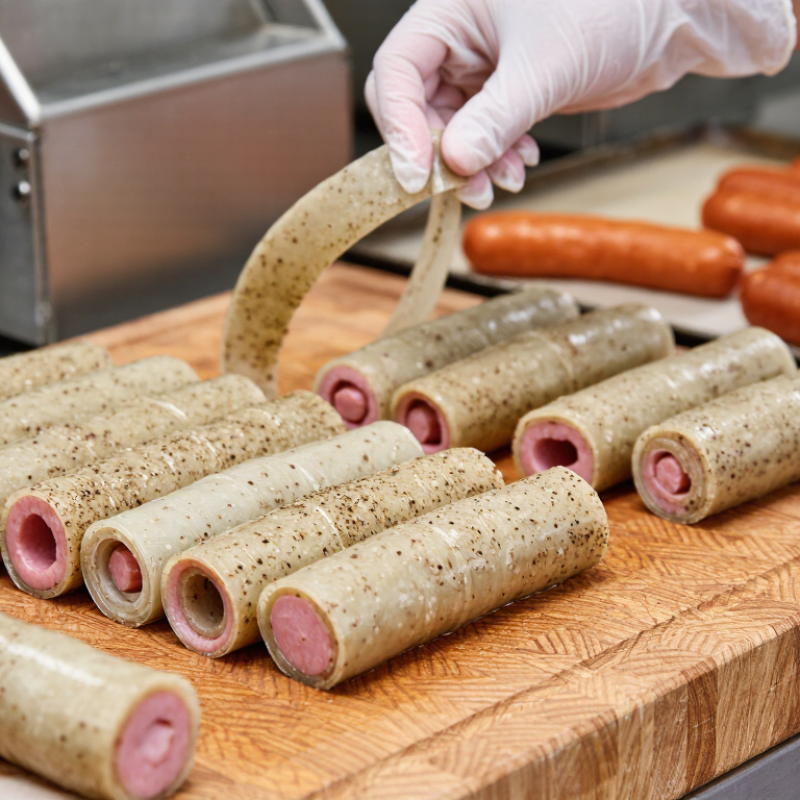
Define Pepper-Lined Casings by Casing Type, Caliber, and Edibility
Choosing pepper-lined sausage casings in 2026 starts with casing type, not pepper intensity. Natural casings are edible and provide a traditional snap. Edible collagen casings offer more uniform diameter and cleaner portion control. Fibrous, cellulose, and plastic casings are generally non-edible and require removal. Confirm this point on the technical sheet. “Smokeable” does not mean edible.
Caliber controls bite, filling weight, and pepper release. A 19–21 mm caliber suits slim fresh sausages, while 28–32 mm supports thicker cooked links. Smaller diameters can spread pepper flavor quickly, but they may show uneven filling. Larger casings need longer heating and careful cooling. USDA FSIS guidance emphasizes validated cooking processes, so casing selection must match the plant’s time-temperature controls. The casing cannot repair weak process control.
FAO’s Food Outlook 2024 projected global meat production at about 374 million tonnes, increasing pressure for efficient, consistent processing. For pepper-lined products, ask for pepper particle size, lining weight per meter, moisture limits, and allergen statements. Request samples in the intended caliber. Then test filling pressure, cooking loss, bite, and pepper distribution. A 2024 sensory trial may still fail after scale-up. I would not trust appearance alone. Taste the center slice. Check the casing after cooking.
How to Choose Pepper-Lined Sausage Casings in 2026?
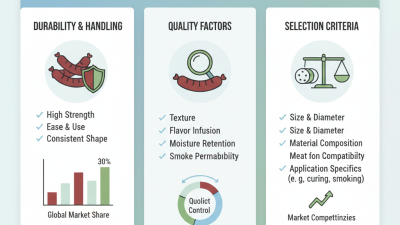
Define pepper-lined casings by casing type, caliber, and edibility. The chart shows representative industry caliber ranges; exact sizing varies by supplier, filling pressure, and sausage style.
Natural sheep casing
Typically 16–28 mm. Edible, tender, and suitable for thin fresh sausages. Its smaller diameter helps distribute visible pepper seasoning evenly.
Natural hog casing
Typically 28–40 mm. Edible and commonly used for standard fresh links, bratwurst-style sausages, and coarser pepper-seasoned fillings.
Collagen casing
Typically 19–32 mm for common edible formats. Uniform sizing supports automated production and consistent pepper distribution.
Fibrous casing
Typically 40–120 mm. Usually non-edible and peeled after processing; appropriate for large cured, smoked, or sliced products.
Selection rule: choose an edible sheep, hog, or suitable collagen casing when the casing is intended to be eaten. Choose fibrous casing when appearance, smoke penetration, and easy peeling are more important than edibility. “Pepper-lined” describes the pepper seasoning layer or pepper-containing filling used with the casing; it does not change the casing material or its edible status.
Match Casing Diameter to Product Format: 16–32 mm for Linked Sausages
How to Choose Pepper Lined Sausage Casings in 2026?
Diameter determines more than appearance. It controls bite, filling speed, cooking behavior, and link strength. For linked sausages, 16–20 mm suits breakfast links, cocktail portions, and thin pepper-seasoned products. The 22–26 mm range creates a fuller bite for everyday fresh sausages. Choose 28–32 mm for thicker dinner links with coarse meat pieces.
Size matters.
The OECD-FAO Agricultural Outlook 2024–2033 projects global meat production to increase by about 12% by 2033. That growth will pressure processors to improve consistency, not simply increase output. A pepper-lined casing should match the filling texture and target portion. Fine emulsions can run smoothly through 16–22 mm casings. Coarser mixtures need wider channels, especially when pepper particles or diced ingredients are visible.
In production trials, measure the stuffed diameter, not only the dry casing width. A 24 mm casing may finish smaller after cooking, depending on protein contraction and filling pressure. Keep the link pitch consistent. Short links can split at 16 mm when overfilled; long links may sag inside 30–32 mm casings. I still prefer testing three diameters before scaling production. Laboratory charts help, but they cannot predict every recipe. A casing that looks attractive may deliver a weak snap.
Compare Pepper Coverage, Particle Size, and a 0.5–2.0% Spice Load
Choosing pepper-lined sausage casings in 2026 starts with three measurable variables: coverage, particle size, and spice load. A 0.5% load gives a light, speckled appearance. At 1.0%, pepper becomes clearly visible after cooking. Around 2.0%, the surface can look crowded and taste noticeably hotter. These figures are practical trial ranges, not universal rules. Sausage diameter, fat level, and mixing time can change the result.
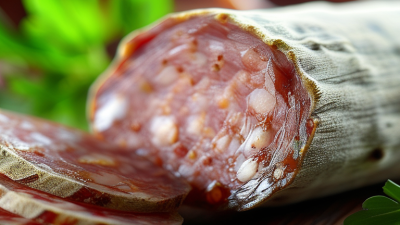
Coverage should be checked across a sliced cross-section, not only on the casing surface. Fine particles below 0.5 mm spread evenly, but they may disappear into the meat. Medium particles, roughly 0.5–1.5 mm, create stronger visual contrast. Larger pieces above 2 mm look rustic, yet they can collect unevenly near the casing. Use sieve testing and record the retained percentage. This follows the particle-size approach described in the American Spice Trade Association Analytical Methods Manual. ISO 959 also supports standardized evaluation of pepper quality and grading.
In pilot production, compare 0.5%, 1.0%, and 2.0% batches using the same casing diameter. Keep the pepper type, mixing speed, and cooking temperature unchanged. Measure coverage from five sliced links. Small differences matter. A casing may appear well coated before cooking, then lose contrast after fat release. I would not choose the darkest sample automatically. Consumer panels often expose bitterness, rough texture, or weak pepper aroma that visual checks miss. Record those failures honestly.
How to Choose Pepper Lined Sausage Casings in 2026? - Compare Pepper Coverage, Particle Size, and a 0.5–2.0% Spice Load
Practical formulation targets for pepper-lined sausage casings. Coverage is an estimated visible pepper area on the casing surface; spice load is calculated as a percentage of total sausage batter weight.
| Pepper Lining Level |
Typical Spice Load |
Estimated Pepper Coverage |
Typical Particle Size |
Visual Appearance |
Bite and Flavor Release |
Best Product Fit |
Key Processing Consideration |
| Light |
0.5% |
Approximately 10–20% |
0.3–0.6 mm, fine ground |
Subtle speckling with a mostly clean casing surface |
Mild pepper aroma and a smooth bite with minimal particulate texture |
Breakfast links, mild pork sausage, poultry sausage, and lightly seasoned products |
Useful when pepper should support, rather than dominate, the primary meat flavor |
| Balanced |
0.875% |
Approximately 20–35% |
0.5–0.9 mm, medium-fine ground |
Clearly visible pepper distribution without a heavily coated appearance |
Noticeable pepper character with moderate texture and even flavor release |
General-purpose fresh sausage, grill links, and everyday retail formats |
A practical starting point for balancing appearance, flavor, and casing flexibility |
| Standard |
1.25% |
Approximately 35–50% |
0.8–1.2 mm, cracked or coarse ground |
Prominent, evenly distributed black pepper pattern |
Distinct pepper bite with stronger aroma and a moderately coarse texture |
Italian-style links, seasoned pork sausage, smoked sausage, and premium grill products |
Confirm that the lining remains evenly distributed after stuffing, linking, and thermal processing |
| Bold |
1.625% |
Approximately 50–65% |
1.0–1.5 mm, cracked pepper |
Heavy, high-contrast pepper coverage suitable for a visibly seasoned casing |
Strong pepper impact, more pronounced particulate bite, and longer flavor persistence |
Bold smoked links, barbecue sausage, pepper-forward pork products, and specialty lines |
Larger particles can affect stuffing smoothness; verify horn, pump, and filler compatibility |
| Extra Bold |
2.0% |
Approximately 65–80% |
1.2–2.0 mm, coarse cracked pepper |
Very dense, highly visible pepper pattern with a strong artisanal appearance |
Maximum pepper intensity and the most noticeable coarse texture |
Limited-edition, gourmet, smoked, and strongly peppered sausage applications |
Run a production trial to check breakage, particle shedding, casing adhesion, and final coverage consistency |
Selection guide: Choose particle size according to the desired bite and equipment capability, then select the spice load according to the required flavor intensity. Coverage values are visual estimates and may vary with casing diameter, casing moisture, stuffing pressure, pepper density, and thermal processing.
Verify Food-Contact Compliance, Moisture Control, and 2026 Supplier Traceability
How to Choose Pepper Lined Sausage Casings in 2026?
Choose casings with documented food-contact compliance for your selling market. Request a current declaration of compliance, migration test results, and allergen information. Check whether the pepper lining uses approved ingredients and controlled processing aids. Do not rely on a certificate copied from an older product. Documents should identify the casing structure, lining formula, test method, and revision date. Ask for samples from the same production specification.
Moisture control affects both safety and eating quality. Inspect the inner packaging for intact seals, condensation, and clear storage instructions. A pepper lining can lose adhesion when exposed to humidity during transport. It may also create uneven seasoning after stuffing. Measure moisture or water activity where your quality system requires it. Keep unopened casings in their stated temperature range, away from wet floors and direct sunlight. Small details matter.
Traceability should reach the factory lot, packaging date, and raw material records. In 2026, suppliers should provide a practical digital trail, not vague assurances. Request recall procedures, retained-sample policies, and transport records. Test a few cartons before approving a full order. I once focused too much on appearance. That shortcut was wrong. The casing looked excellent, yet its moisture history was unclear. Recheck supplier claims against delivered documents, because paperwork can lag behind production. Reliable purchasing leaves an auditable trail from shipment to finished sausage.