How to Choose the Best Elastic Meat Netting for Your Needs?

Choosing the right elastic meat netting can be challenging. The market offers many varieties, each with unique features. Finding the best option requires careful consideration of your specific needs.

Elastic meat netting is often used for a variety of purposes, including roasting, grilling, and smoking. Its flexibility allows for easy wrapping around meats of different shapes and sizes. This adaptability makes it a popular choice among chefs and home cooks alike. However, not all netting is created equal. The quality can vary significantly across brands.

Understanding the material, stretchability, and durability of elastic meat netting is crucial. Some products might tear easily, while others hold up well under heat. Reading reviews and expert advice can help clarity your decision. Recognizing potential limitations in your choices also matters. Reflect on what works best for your cooking style and whether you need a heavier-duty option or a lighter one. This helps ensure you make an informed choice based on your preferences.
How to Choose the Best Elastic Meat Netting for Your Needs?

Understanding the Purpose of Elastic Meat Netting in Food Preparation

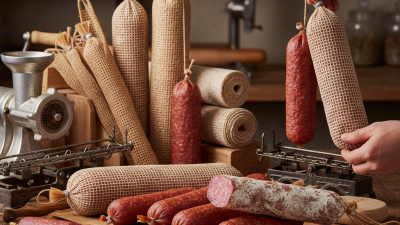
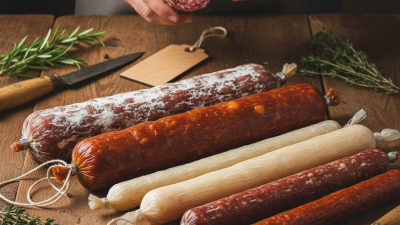
Elastic meat netting serves a crucial purpose in food preparation. It helps maintain the shape of meats during cooking. This is especially important for roasts or sausages. When food is tightly bound, it cooks evenly. Uneven cooking can lead to dry or undercooked sections. Proper netting ensures that your culinary creations are both beautiful and flavorful.

Selecting the right netting requires understanding your needs. The material should be strong yet elastic. It should allow for airflow while providing enough tension. This balance helps preserve moisture and flavor. Consider the size and cut of the meat as well. A larger cut may require a more robust net.

Pay attention to the cooking method, too. If you are slow-roasting, a delicate net might suffice. For high-heat methods, opt for a more durable option. Evaluate your kitchen tools and techniques. Regularly assess if the netting you're using meets your evolving cooking style. This reflection can improve your outcomes.

How to Choose the Best Elastic Meat Netting for Your Needs?

Feature Description Advantages Applications
Material Usually made from nylon or polyester Durable and can withstand high temperatures Used in sausage making and meat roasting
Size Varies from small to large diameters Fits different meat sizes and shapes Ideal for various types of meat dishes
Stretchability Highly elastic and stretchy Accommodates different meat forms and expansions Use in charcuterie and preserving
Food Safety Made from food-grade materials Safe for direct contact with food Used in prepared food items
Ease of Use Simple to wrap and secure Saves time in preparation Perfect for home cooks and professionals

Evaluating Different Types of Elastic Meat Netting Materials

When evaluating different types of elastic meat netting materials, consider the various options available. Each material affects the final product's quality and presentation. Natural fibers, like cotton, are biodegradable but may not be as stretchy as synthetic options. On the other hand, polyester offers great elasticity and durability but is less eco-friendly.

Thickness is another critical factor. Thinner netting is easier to handle. However, it may not provide the same support as thicker alternatives. Ideal netting holds its shape during cooking while allowing flavors to permeate the meat.

Choosing the right elastic meat netting can be challenging. Pay attention to the specific needs of your preparation. Consider how it interacts with your meat cuts. Reflect on how the netting maintains moisture and shape. Try different materials to find what works best for your recipes. Exploring alternatives ensures you find a solution that caters to both quality and taste, enhancing your culinary experience.

Types of Elastic Meat Netting Materials and Their Properties

Key Factors to Consider When Choosing Elastic Meat Netting

When selecting the best elastic meat netting, several key factors require careful consideration. Understanding the material is essential. Typically, nylon or polyester is used, offering various elasticity levels. Reports show that using high-quality netting can reduce shrinkage by up to 10%. This is crucial for maintaining meat quality and presentation.

The netting's size and mesh openings are also vital. Standard openings range from 10 mm to 40 mm. Smaller openings can better retain juices and prevent overcooking. If you're dealing with different sizes of meats, flexible netting options will help customize your wrapping needs.

It's essential to consider the durability of your netting. Some materials can withstand high cooking temperatures without losing structure. Inspecting the tensile strength and elasticity rating is advisable. A strong netting can prevent ruptures during cooking, which can lead to less waste.

Tips for your selection include assessing your cooking method. If you often roast or smoke meats, choose netting designed specifically for those processes. Test a few sample pieces to ensure they meet your expectations and ensure compatibility with your meats. Reflection on past experiences with netting can also guide you in making more informed decisions.

Sizing and Fit: How to Measure for Elastic Meat Netting

Choosing the right elastic meat netting is crucial for ensuring your meat retains its shape and flavor during cooking. To achieve this, accurate measuring is essential. Start by measuring the circumference of the meat you want to wrap. Use a flexible measuring tape for precise results. Pay attention to the thickness and shape of the meat, as this influences the sizing. It’s important to add a buffer for ease of use while wrapping.

When you have your measurements, consider the elasticity of the netting. Some may prefer tighter fit, while others may want a looser wrap. Remember, the netting needs to support the meat but shouldn’t overly constrict it. You might even test different sizes, as each cut of meat behaves uniquely when cooked.

Sometimes, you’ll get it wrong. That’s okay. Adjusting your measurement technique can be a learning experience. Use your previous attempts to improve future choices. While buying elastic meat netting, make sure to research different types available. It ensures you find the best fit for your culinary needs.

Best Practices for Using and Maintaining Elastic Meat Netting

Using elastic meat netting effectively requires attention to detail and care. Before you start, ensure you choose the right size and type of netting for your specific meat cut. Measure your meat accurately; the netting should fit snugly without overstretching. When handling the netting, avoid sharp objects that can cause snags. If you notice any damage, replace the netting immediately to maintain quality.

After use, proper cleaning is essential. Wash the netting in warm, soapy water, then rinse and air dry. Store it in a cool, dry place to prevent mold and degradation. Occasionally inspect your netting for aging signs. Discard any netting that appears frayed or discolored. This not only prolongs the lifespan of the mesh but also ensures safe and hygienic food preparation.

If you are experimenting with different meat types, be mindful of how netting interacts with various meats. Some might require more tension than others. It’s important to learn and adapt based on your experiences. Document any issues you encounter; this will help you refine your technique over time. Prioritize safety and quality; both are vital in meat preparation.

We are using cookies on our website

Please confirm, if you accept our tracking cookies. You can also decline the tracking, so you can continue to visit our website without any data sent to third party services.