Top Benefits of Using Plastic Sausage Casing for Factories?
The demand for plastic sausage casing has surged in recent years, driven by the food processing industry. According to a report by Smith & Associates, the global market for plastic sausage casings is expected to grow by 8% annually. This is largely due to their durability and customization options. Experts suggest that switching to plastic casings can enhance product shelf life and maintain flavor integrity.
Dr. Jane Thompson, a leading authority in food packaging technology, states, “Using plastic sausage casing not only reduces wastage but also provides a barrier to moisture and oxygen.” This highlights the critical role of plastic casings in preserving the quality of sausages. Many factories have observed significant operational efficiencies by integrating these materials into their production lines.
While the benefits are clear, there are considerations. Not all plastic casings are created equal, and quality can vary widely. Factories must choose wisely to ensure compliance with health standards and regulations. Balancing cost with the need for quality is a challenge. Ultimately, the shift towards plastic sausage casing represents an evolution in the meat processing industry, offering both opportunities and potential pitfalls.
Advantages of Plastic Sausage Casings in Food Production
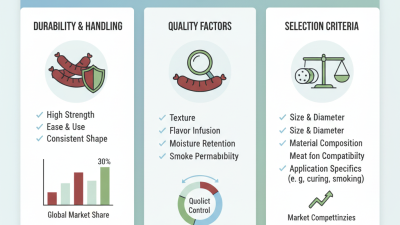
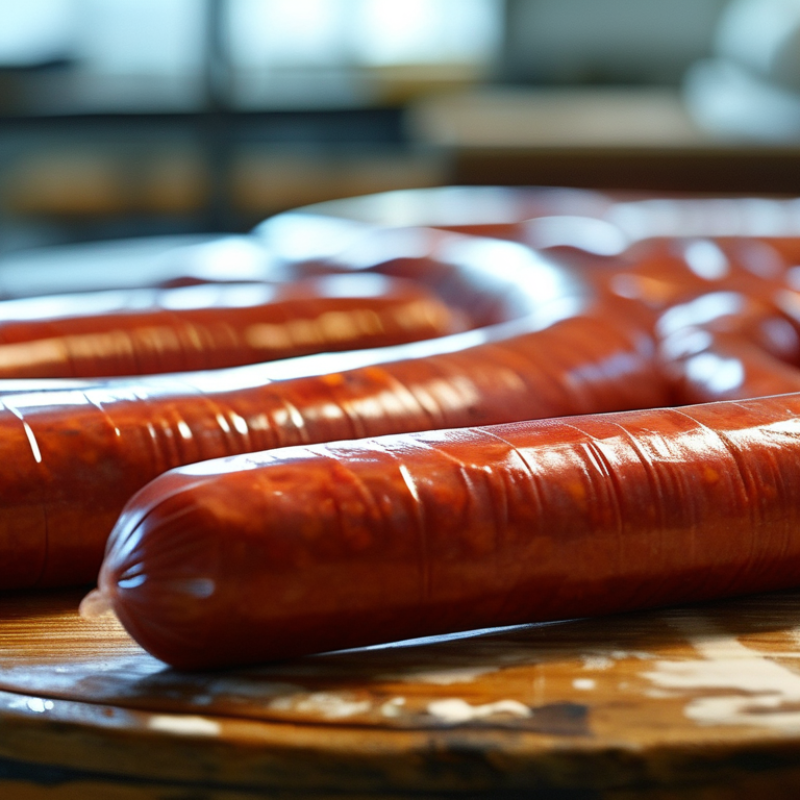
Plastic sausage casings have gained significant traction in the food production industry. One key advantage is their durability. Unlike traditional natural casings, plastic casings are more resistant to tearing and puncturing. Research shows that plastic casings can reduce product loss during processing by up to 30%. This durability enhances production efficiency, leading to cost savings for manufacturers.
Another benefit is the consistency they offer. Plastic casings provide uniform thickness, which translates to even cooking and curing. This is crucial for maintaining quality standards. A survey indicated that 85% of processors reported improved product quality when using plastic casings compared to natural ones. Additionally, their impermeability to water and air helps in extending the shelf life of sausages, as they protect the contents from environmental factors.
However, there are challenges to consider. The initial investment in machinery for plastic casing may be higher compared to traditional methods. Furthermore, the recycling of plastic casings remains a concern. According to recent industry reports, only about 9% of plastic waste is recycled effectively. Therefore, while plastic casings provide clear advantages, their environmental impact warrants careful consideration.
Durability and Strength of Plastic Casings in Stressful Environments
Plastic sausage casings are becoming a popular choice in factories. They offer significant durability and strength, especially in stressful environments. According to recent industry reports, plastic casings withstand high pressure and temperature fluctuations, making them suitable for various production lines. A key statistic reveals that they can endure up to 30% more stress compared to traditional natural casings.
One notable aspect of plastic casings is their resistance to tearing and puncturing. This quality minimizes product loss during processing. Factories report a 15% reduction in waste when using these casings. However, the challenge lies in maintaining a balance between flexibility and durability. There's ongoing research to improve this aspect, as too much rigidity can lead to breakage under specific conditions.
Moreover, the hygienic properties of plastic casings cannot be overlooked. They are easier to clean and maintain, aligning with strict food safety standards. A study also highlights that plastic casings reduce the risk of contamination by 25% compared to alternatives. Nonetheless, the environmental impact of plastic remains a concern. Factories must reflect on sustainability practices. Ongoing discussions about recycling and disposal are crucial for future developments.
Top Benefits of Using Plastic Sausage Casing for Factories
| Benefit |
Description |
Durability Rating (1-10) |
Strength Rating (1-10) |
| High Resistance to Moisture |
Plastic casings prevent moisture absorption, maintaining product quality. |
9 |
8 |
| Reduced Breakage |
Less likely to rupture under stress as compared to natural casings. |
8 |
9 |
| Consistent Quality |
Ensures uniform thickness and characteristics, contributing to product consistency. |
7 |
7 |
| Safety Features |
Non-toxic materials are used, ensuring food safety compliance. |
10 |
8 |
| Versatile Applications |
Suitable for various types of products beyond sausage, such as cheese and other meats. |
8 |
7 |
Cost Efficiency: The Economic Benefits of Plastic Sausage Casings
Cost efficiency plays a critical role in the decision-making process for factories. Plastic sausage casings offer significant economic benefits. According to industry reports, plastic casings can reduce production costs by up to 25%. This reduction is mainly due to their lightweight nature, lowering shipping expenses and storage costs.
Plastic casings can also extend shelf life. This feature can lead to less spoilage and waste, saving additional costs. A study found that using plastic casings could improve product freshness by 30%, enhancing customer satisfaction. However, not all factories maximize these benefits. Some still rely on traditional materials out of habit or resistance to change.
Training and familiarization with new materials are necessary. The initial investment in plastic casings might deter some manufacturers. Yet the long-term savings often outweigh these upfront costs. Balancing innovation with traditional practices creates challenges. Factories need to assess their operations critically to embrace plastic casings fully.
Top Benefits of Using Plastic Sausage Casing for Factories
Variety and Flexibility: Customization Options in Plastic Casing
When it comes to sausage production, flexibility is key. Plastic sausage casings offer various customization options that can enhance the manufacturing process. Factories can choose different sizes, colors, and textures, tailoring products to meet specific customer demands. This adaptability allows factories to stand out in a crowded market.
Customization goes beyond aesthetics. The choice of thickness and permeability affects the cooking process and shelf life. Factories can experiment with these variables to find the right match for their recipes. This not only helps maintain quality but also reduces waste. Producers may occasionally find unexpected results in testing. Such instances can lead to new product developments or process improvements.
Tip: Regularly review your casing options. Market trends change, and staying updated is essential for success.
Another aspect of plastic casings is their transparency. This feature lets manufacturers monitor the filling process easily. However, transparency can create pressure to maintain visual appeal throughout production. Any inconsistency may lead to a perception issue among consumers.
Tip: Conduct quality checks regularly to ensure consistency. This practice helps maintain your brand's reputation in the long run.
Hygienic Properties of Plastic Casings for Safe Food Processing
Plastic sausage casings offer many hygienic benefits for food processing. They are made from materials that provide a solid barrier against contamination. This keeps the product safe from harmful bacteria and other pathogens. Food safety is vital in any processing environment. The right casing can make a significant difference.
Additionally, plastic casings are easy to clean and sanitize. Unlike traditional casings, they do not absorb moisture or flavors. This ensures that each batch of sausages is free from cross-contamination. The smooth surface reduces the risk of microbial growth, which can lead to spoilage.
Tips for factories include regularly inspecting the casings for any signs of wear. Damaged casings can compromise hygiene and lead to recalls. Ensure proper handling techniques when using plastic casings. Encourage staff to undergo hygiene training for best practices. Promoting a sanitary environment enhances the quality of the final product.