How to Choose Clear Fibrous Casings for Best Sausage Making?
When creating delicious sausages, the choice of clear fibrous casings is crucial. These casings offer durability and an appealing appearance for your final product. They are made from natural cellulose, allowing flavors to penetrate while providing a satisfying bite. However, choosing the right type can be challenging.
Clear fibrous casings come in various sizes and thicknesses. Each option affects the final texture and flavor. It's essential to consider what type of sausage you are making. For instance, thicker casings work well for smoked sausages, while thinner variations are ideal for fresh blends. Take time to understand the product specifications and how they align with your goals.
Not all clear fibrous casings are created equal. Some may not withstand extreme cooking temperatures, leading to frustrations. It is wise to experiment with different brands. Pay attention to the texture and flavor retention. Document your results to refine your technique. The right choice could elevate your sausage-making game significantly.
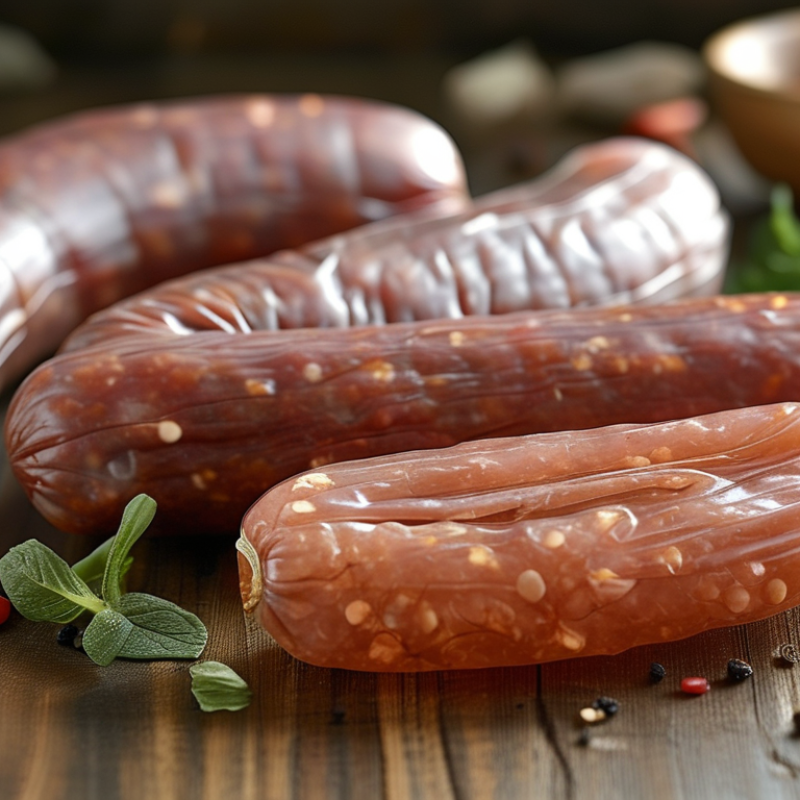
Understanding Clear Fibrous Casings: An Overview
Clear fibrous casings are an essential component in sausage making. They are made from collagen, providing a sturdy yet flexible structure. This allows for a consistent cooking process. According to industry reports, the global sausage casing market is expected to grow by over 5% annually. This indicates a rising interest among consumers and producers alike.
When selecting clear fibrous casings, consider their diameter and length. These factors can greatly affect the final product. Casings come in various sizes, from small ones for snack sticks to larger ones for sausages like bologna. Furthermore, ensuring the casing is properly hydrated before use is crucial. Cases that aren't prepared correctly may lead to uneven cooking or undesirable textures.
Quality matters in casings, but lower-priced options sometimes undercut durability. Not every casing will withstand high temperatures, which can impact flavor and juiciness. There’s a delicate balance between cost and quality. Producers often have to make decisions based on trial and error. It is important to experiment and gather feedback for the best results in sausage making.
Buying Guide for High-Quality Fibrous Casings
Choosing high-quality fibrous casings is essential for successful sausage making. These casings, typically made from collagen, provide strength and a consistent size for your sausages. When selecting casings, consider their thickness. Thinner casings may burst during cooking, while thicker options can be more challenging to stuff. The right thickness provides balance, ensuring a good texture and flavor retention.
Another factor to consider is the casing's diameter. Common sizes range from 32 mm to 60 mm. The size impacts sausage density and cooking time. Larger casings could yield a juicier product, but they may require a longer cooking duration. Test small batches to find what works best for your recipes.
Pay attention to the condition of the casings. Look for ones that are uniformly clear and free from any discoloration. If the casing feels sticky or too dry, it may affect the quality of the final sausage. Take the time to research suppliers and assess reviews. A reliable supplier often indicates good quality. Remember to store your casings properly. Improper storage can lead to spoilage or reduced performance.
Factors to Consider When Choosing Clear Fibrous Casings
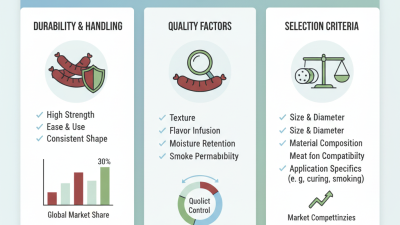
When selecting clear fibrous casings for sausage making, consider material quality. Look for casings that are both durable and flexible. High-quality casings can withstand smoking and cooking. This ensures your sausages retain their shape without bursting.
Another essential factor is the size and diameter of the casings. They should match the sausage type you aim to create. Different meats and recipes may call for various sizes. Keep in mind the number of sausages you wish to produce; larger casings may hold more filling, but they inherently change the texture.
You may also want to reflect on the preparation process. Some casings need soaking or rinsing before use. This extra step adds time but improves performance. Experimenting with different brands can yield varying results, even with the same recipe. Embrace the learning process; not every sausage will turn out perfect.
Factors Impacting the Choice of Clear Fibrous Casings for Sausage Making
Popular Brands and Types of Clear Fibrous Casings
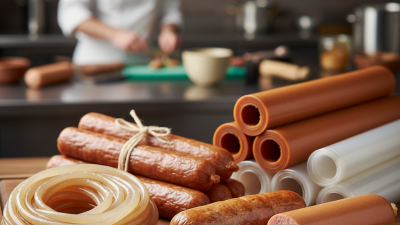
When selecting clear fibrous casings for sausage making, understanding the types and brands is crucial. Common choices include collagen and synthetic casings, known for durability and appearance. Each type has unique characteristics that affect sausage texture and flavor. Collagen casings, for instance, are often easier to work with, while synthetic options provide a firmer bite.
Popular brands usually offer a variety of sizes and types. It's essential to consider the specific needs of your sausage recipe. For larger sausages, thicker casings are often preferred. However, a thicker casing may not allow for even cooking throughout the sausage. Experimenting with different brands may reveal that some work better with certain meats or spices. Quality can vary, and it’s beneficial to test multiple options.
Some users report difficulty with consistency in product quality. This can lead to frustration during sausage production. If an unexpected texture arises, don’t hesitate to reassess your choice of casing. Observing your results can inform future decisions. Trying local suppliers might yield fresher options that enhance your final product. Each batch is a learning opportunity, and reflection on your process can refine your skills.
Tips for Proper Handling and Usage of Casings in Sausage Making
Choosing the right clear fibrous casings is crucial for successful sausage making. Handling casings properly can significantly influence the texture and flavor of your sausage. According to industry reports, casings that are well-prepared can boost sausage quality by 25%. Start by rinsing and soaking the casings in warm water. This helps to hydrate them, making them more pliable and easier to work with.
Once soaked, inspect the casings for any tears or imperfections. Damaged casings can lead to sausage bursts during cooking. Remember to maintain a clean workspace. Cross-contamination can compromise the quality of your final product. When filling the casings, avoid overstuffing. This can cause uneven cooking and may result in an undesirable texture.
As you tie the ends of your sausages, ensure they are secure but not too tight. Leaving some room for expansion during cooking is essential. Many experts recommend using natural hog casings for certain types of sausage. They contribute to a unique flavor and texture. However, deviations from traditional methods can yield exciting new flavors. Experimentation is key, but ensure you reflect on your methods and outcomes for continuous improvement in your sausage making journey.
How to Choose Clear Fibrous Casings for Best Sausage Making?
| Casing Type |
Diameter (mm) |
Recommended Use |
Cooking Method |
| Clear Fibrous Casing |
30-35 |
Summer Sausage, Pepperoni |
Smoked |
| Collagen Casing |
25-30 |
Bratwurst, Italian Sausage |
Boiled |
| Synthetic Casing |
40-45 |
Hot Dogs, Frankfurters |
Grilled |
| Natural Casing |
25-30 |
Sausages, Kielbasa |
Roasted |