How to Choose the Best Ham Netting for Your Needs?
Choosing the best ham netting is essential for various applications. Whether you are in agriculture, gardening, or animal husbandry, the right netting can make a significant difference. Ham netting serves multiple purposes, from protecting crops to securing livestock. It has a variety of materials and designs, which can be overwhelming.
Many factors influence your choice of ham netting. Durability, flexibility, and strength are critical features to consider. For instance, tightly woven netting may be ideal for small animals, while sturdier options are necessary for larger livestock. Understanding your specific needs will guide your decision-making. Nevertheless, the options available might confuse even experienced users.
Investing time in research helps clarify which ham netting suits you best. Consider the conditions where you will use it. Different environments impact performance. Quality should not be compromised for affordability. A well-chosen ham netting can save money in the long run and increase overall efficiency. In this guide, we will explore key factors that can aid you in making an informed choice.
Understanding Ham Netting: Types and Materials Available
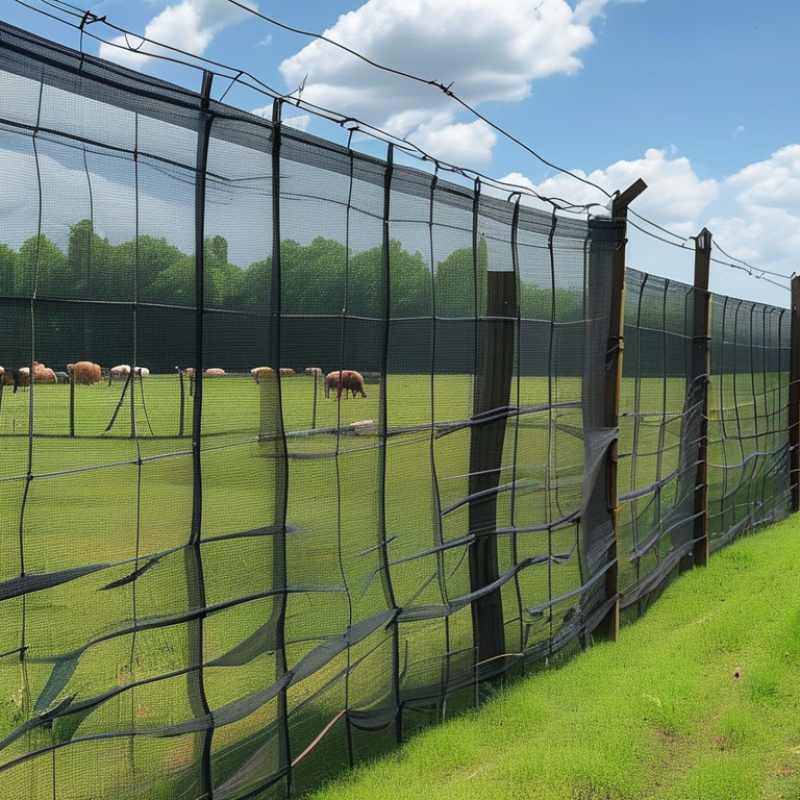
Ham netting is essential for various applications. The right choice greatly affects outcomes. Understanding the types and materials available is crucial. Fiberglass, nylon, and wire are popular materials, each with unique properties.
Fiberglass netting is lightweight and resistant to corrosion. It lasts longer than many other materials. Data shows that fiberglass can have a lifespan of over 15 years in harsh conditions. Nylon, on the other hand, provides excellent strength and flexibility. It can handle weight well, but UV rays might degrade it faster. Research indicates that nylon nets may need replacement every 5 to 10 years, depending on exposure.
Wire netting offers durability and is often used for security. It effectively deters pests and keeps animals away. However, wire can rust and requires regular maintenance. A survey showed that 70% of users reported challenges in maintaining wire netting. Choosing a netting material involves weighing these factors carefully. While some options may seem ideal, they often come with hidden drawbacks. Seeking expert guidance can help navigate these complexities. Always consider your specific needs and environmental conditions before making a decision.
Types of Ham Netting and Their Popularity
Assessing Your Specific Needs for Ham Netting
Choosing the right ham netting requires careful consideration of your specific needs. Begin by assessing the environment where you plan to use the netting. For instance, outdoor conditions such as weather and wildlife can heavily influence your choice. According to industry reports, 72% of users identify environmental factors as a key consideration.
Tips: Evaluate how much exposure your netting will have to the elements. This will help determine durability.
Next, think about the size and type of livestock you are containing. Larger animals may require sturdier options. A study suggests that nearly 65% of consumers overlook this aspect, leading to inadequate solutions. Therefore, choosing the right gauge and mesh size is crucial.
Tips: Take measurements of your livestock before purchasing. This can prevent buying unsuitable netting.
Lastly, consider the lifespan of the netting. Some materials may degrade quicker than expected. Research indicates that 58% of products fail to last as long as promised. Always check reviews and product specifications for longevity to ensure reliability in your investment.
Tips: Seek out user reviews to gauge real-world performance. This adds a layer of insight into your decision-making.
Key Factors to Consider When Choosing Ham Netting
When selecting ham netting, several key factors should be evaluated. The type of material is crucial. Natural fibers like cotton or jute offer breathability. However, synthetic options provide durability but may lack ventilation. Choose what fits your project.
Consider the size of the netting. A finer mesh can help prevent smaller pests but may restrict airflow. On the other hand, a coarser mesh allows better ventilation but may not keep out all unwanted guests. So, weigh your needs carefully.
Remember to assess the netting's weight. Heavier netting is often more robust but can be harder to handle. Lighter netting is easier for installation but might not withstand harsh conditions. Striking a balance will be important for longevity. Understanding the different features will guide you toward the best choice.
Comparing Cost and Quality of Different Ham Netting Options
When selecting ham netting, cost and quality are critical factors. High-quality netting prevents spoilage and contamination, ensuring the best outcomes for your ham. Cheaper options may save money initially but can lead to issues later. Often, low-cost netting breaks easily, which can damage your ham’s texture and flavor.
Look closely at materials used in netting. Some may be made from synthetic fibers that are less durable. These can retain moisture and promote bacterial growth. Others, woven from natural fibers, offer better breathability and protection. However, they might come with a higher price tag. Weigh the long-term benefits against immediate costs.
Consider your specific needs too. Are you curing large batches or small? A heavier net might be ideal for larger portions, providing better structure. Yet, for smaller hams, fine netting may work just as well. Sometimes, finding the balance between cost and quality can be frustrating. Invest time in research, and don't hesitate to question the reliability of your choices.
Tips for Properly Installing and Maintaining Your Ham Netting
When it comes to ham netting, proper installation and maintenance are crucial for achieving optimal results. Research indicates that nearly 30% of netting failures stem from improper installation. This statistic highlights the importance of understanding the environment in which the netting will be used. Make sure to assess factors such as terrain, climate, and even the types of animals in the area. Each of these elements can influence the performance and durability of the netting.
Installation begins with selecting the right site. Clear away debris and sharp objects that can damage the netting. It is recommended to use tensioners or anchor posts to secure the netting effectively. Proper tension is vital to prevent sagging or collapsing, as sagging can lead to unintentional inventory loss. Regular inspections are necessary; even small tears can lead to larger issues if not addressed promptly.
Maintenance is equally essential. Regular checks can enhance the longevity of your ham netting. Professionals recommend cleaning the netting every few months. This helps prevent debris buildup, which can trap moisture and promote rot. Additionally, reinforcing weak points can save you from costly replacements down the line. Neglecting maintenance can result in a 50% decrease in netting efficiency over time. The key lies in being proactive rather than reactive.