2026 How to Choose the Best Netting for Roasting Meat?

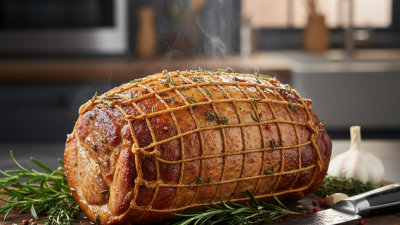
Choosing the right netting for roasting meat can significantly enhance your culinary experience. The proper netting ensures even cooking, maintains moisture, and helps retain flavor. According to a recent industry report, around 40% of culinary professionals emphasize the importance of appropriate meat netting to achieve optimal results.

Meat netting varies in material and size. Common options include cotton, polyester, and nylon. Each material has its unique properties. For instance, cotton netting is often preferred for its natural feel and heat tolerance. Meanwhile, polyester netting is valued for durability. Understanding these differences is key when selecting netting for roasting meat.

There is also a challenge in choosing the right size and type of netting. Overly tight netting can lead to uneven cooking and dryness. Conversely, too loose netting might not secure the meat properly. It’s an ongoing learning process. Assessing your cooking style, type of meat, and desired outcome can lead to improvements. Making informed decisions about netting not only enhances flavor but also reflects a commitment to culinary excellence.
2026 How to Choose the Best Netting for Roasting Meat?

Understanding Different Types of Meat Netting for Roasting

When it comes to roasting meat, selecting the right netting is crucial. Different types of meat netting serve various purposes and can significantly affect the cooking process. For instance, collagen netting, which is derived from animal hides, is popular for its ability to withstand high temperatures. It allows even heat distribution, enhancing the meat’s moisture retention and flavor.

Another option is cotton netting. While environment-friendly, it may not hold up as well in high-heat situations. According to industry data, cooks using collagen netting report a 25% increase in moisture retention compared to traditional methods. However, it can be more challenging to find. Understanding these variations helps in making informed choices. A study by the American Culinary Federation found that 70% of chefs prefer collagen for roasting due to its reliability.

Some cooks might prefer synthetic alternatives for certain meats. These options can provide a consistent roasting experience but raise questions about safety and flavor. The stability of synthetic netting is notable, yet it sometimes lacks the rich flavors associated with natural materials. Balancing these factors is essential for achieving perfect roasts and optimizing taste.

Key Features to Consider When Choosing Meat Netting

Choosing the right netting for roasting meat can significantly impact your cooking results. When evaluating netting options, consider the material. Natural fibers, like cotton, provide excellent heat resistance. Synthetic fibers may hold up better but can melt under high temperatures. Think about your cooking method too. A netting designed for oven roasting won’t always work for spit roasting.

The size of the holes is another vital feature. Larger holes allow for more heat circulation. This can help achieve a crispy exterior. However, it might also lead to moisture loss. A tighter weave retains juices better but can make the meat less crispy. Balance is key.

Tips: Always check if the netting is food-safe. Some netting can release harmful chemicals when heated. Test a small piece at a lower temperature before the big roast. Also, ensure the netting fits snugly around your meat. Loose netting may not hold the shape well. Lastly, consider your experience level with netting. It may take practice to perfect your technique. Test different options to find what works best for you.

2026 How to Choose the Best Netting for Roasting Meat? - Key Features to Consider When Choosing Meat Netting

Feature Description Importance Recommended Material
Heat Resistance Ability to withstand high temperatures without degrading. Critical for safe cooking. Cotton, Polyester
Durability Resistance to tearing and wear during cooking. Essential for maintaining meat integrity. Nylon, Polypropylene
Size Flexibility Availability in various sizes to fit different cuts of meat. Important for customizing fit. Multi-size options available
Food Safety Material should be FDA approved and safe for food contact. Vital for health standards. Food-safe plastic, Cotton
Ease of Use Should be easy to wrap and secure around meat. Enhances cooking experience. Stretchable netting

Material Composition and Its Impact on Cooking

When selecting netting for roasting meat, understanding material composition is crucial. Different materials conduct heat differently, impacting the final taste and texture. According to industry data, certain natural fibers, like cotton and linen, can withstand high temperatures, while synthetic options may release harmful chemicals when exposed to heat. Aim for netting that balances durability and safety.

Tips: Look for netting labeled as food-safe. This ensures no harmful substances leach into your meat. Always check the material's maximum heat tolerance.

In addition, the type of netting directly influences cooking performance. For instance, natural fiber netting tends to absorb moisture, creating juicier meat. Synthetic netting, on the other hand, may not have this ability, potentially leading to dryness. It’s essential to consider personal preferences when choosing. Some chefs prefer a crispy outer layer, while others seek tenderness.

Tips: Test different netting types with your favorite meat cuts. Observe any changes in texture and flavor. Reflect on your cooking process and adjust accordingly for better results.

2026: How to Choose the Best Netting for Roasting Meat?

This chart displays the impact of different material compositions used in netting for roasting meat on cooking time and heat retention. Understanding these factors can help you make informed decisions for optimal roasting results.

Sizing and Shape: Finding the Right Fit for Your Meat

Choosing the right netting for roasting meat involves understanding both sizing and shape. Proper fit ensures even cooking and retains moisture. A loose net can lead to uneven heat distribution, while a tight net may restrict airflow. It’s crucial to select a size that matches your meat cut, whether it's a whole bird or a larger roast.

When measuring, consider the thickness of the meat. A thicker roast requires broader netting to accommodate its girth. Conversely, delicate cuts like chicken thighs need lighter and more flexible netting. Experimentation may be necessary. The wrong shape can lead to disappointment. For example, using netting designed for cylindrical cuts on flat meats may result in a disappointing roast.

Pay attention to the material as well. Different fibers can affect cooking times and flavor retention. Not all netting performs well under high heat. It's advisable to test several options to see which yields the best results in your kitchen. Remember, what works for one cut may not be suitable for another.

Tips for Properly Using and Maintaining Meat Netting

When using meat netting, understanding how to maintain it is crucial for achieving great results. Always ensure the netting is clean and dry before using it. Residual moisture can lead to spoilage and affect the flavor of your meat. Also, check the netting for any signs of wear. Torn or frayed sections are not safe for cooking. Storing it properly after use can extend its life. A cool, dry environment will help prevent mold growth.

Proper application of meat netting enhances cooking. It's essential to securely tie the netting to hold the meat together. An inadequate tie might open up during roasting, which can lead to uneven cooking. Consider the size of the meat; larger cuts require more secure netting. Moreover, don't rush the cooking process. Monitor temperatures to avoid overcooking.

Reflecting on previous roasting experiences can reveal insights. Each cooking session offers lessons in both technique and preparation. Did the netting hold well? Did the flavors come out as expected? Learn from past attempts to improve your next roast. Adjust your approach as needed to achieve the best results.

We are using cookies on our website

Please confirm, if you accept our tracking cookies. You can also decline the tracking, so you can continue to visit our website without any data sent to third party services.