What Are the Top Mahogany Fibrous Casings in 2026?
In 2026, choosing among mahogany fibrous casings means looking beyond a rich, reddish-brown finish. These reinforced casings are used for certain cooked and smoked meat products, where appearance, handling, and consistent sizing all matter. The shade can make a sausage look distinctive on a deli counter. Looks matter. But color alone does not tell buyers how a casing will perform.
A useful comparison considers caliber, length, peelability, filling characteristics, and suitability for the intended product. Manufacturers may offer different specifications, so product sheets and supplier guidance deserve close attention. A casing that works well for one sausage recipe may not suit another. That is easy to overlook. Smoke permeability and processing conditions should also be checked against the manufacturer’s instructions, rather than assumed from the mahogany color. For commercial producers, batch consistency and dependable supply can be just as important as appearance. Smaller makers may place more weight on ease of use and order quantities.
This guide explores what can make a mahogany fibrous casing a strong option in 2026, and how to compare products on practical grounds. It does not treat any single brand or specification as universally best. Real results depend on the meat formulation, equipment, and production process, and available product details can change. Ask suppliers for current technical information, then test a sample under your own working conditions. A little uncertainty remains until you do.
What Mahogany Fibrous Casings Are and How They Are Made
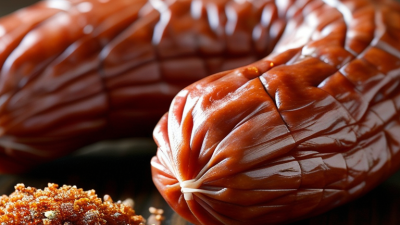
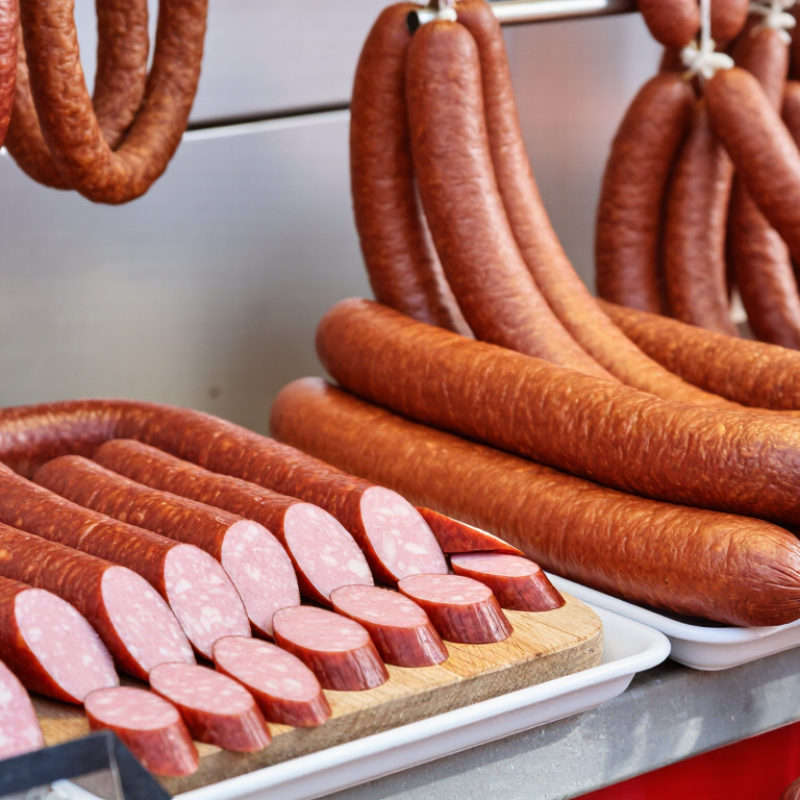
Mahogany fibrous casing is named for its deep reddish-brown color, not for containing mahogany wood. Its structure usually combines a paper-like fiber web with regenerated cellulose, creating a strong, flexible tube. The fibers help the casing hold its shape during stuffing and cooking. That distinction matters.
Manufacturing generally starts with a fibrous web formed into a tube. A cellulose solution is applied, then processed so it sets into a continuous layer. The casing is washed and conditioned to control moisture and flexibility. Color is added to create the mahogany appearance. Exact methods and formulations vary, so the color alone cannot confirm how a casing was made.
For sausage makers, consistency is practical: an even casing helps support uniform filling and a tidy, familiar surface after cooking. Before use, the casing may need soaking, depending on its specifications. Follow the supplier’s handling instructions; guessing can lead to tearing or uneven results. Most fibrous casings are peeled before serving, but check the product details. I would not assume every mahogany casing behaves alike. Small differences in thickness, moisture, and processing can matter.
Key Properties Used to Evaluate Casings in 2026
For mahogany fibrous casings, evaluate performance, not color alone. Check caliber consistency, burst resistance, moisture permeability, peelability, and how evenly the casing shrinks around the sausage. Ask for test results under the intended stuffing and cooking conditions; a smooth sample at room temperature proves little. USDA FSIS guidance recommends 160°F (71°C) for ground meats, so confirm that the casing and process are suitable for the product’s validated heat schedule. This temperature is a food-safety reference, not a casing performance rating.
Look closely at practical details: a casing should fill evenly, resist splitting at the clip, and peel without tearing the surface. Fibrous construction can support larger diameters, but results depend on the specific casing and process. A small trial run helps reveal wrinkles, uneven color, or difficult peeling that a specification sheet may not predict. Not every defect is obvious at first.
Tips: Request documented caliber tolerances and burst-test results, then test samples using your actual recipe and equipment. Record cook loss and peel time across several batches; one successful run is not enough. Compare mahogany shade after cooking, not only before stuffing.
Leading Mahogany Fibrous Casing Types and Their Differences
Mahogany fibrous casings are commonly chosen for smoked sausages that need a firm, uniform shape and a deep reddish-brown surface. “Top” depends on the product, not simply the casing’s color. Diameter, peelability, and processing conditions matter more. A casing that suits a large slicing sausage may feel cumbersome on a smaller product.
Standard-peel types are a practical fit when casings will be removed before serving. Easy-peel versions are designed to release more readily, which can help during production, though results still depend on cooking, cooling, and handling. Small-diameter casings create slimmer links; larger diameters suit wider logs and generous slices. Shirred formats can also reduce loading time. Check the supplier’s stated size and use instructions, since similar-looking casings may behave differently.
For smoked products, confirm that the casing is intended for the planned process and allows suitable smoke transfer. Follow its soaking and stuffing guidance; excessive pressure can cause splits, while loose stuffing can leave wrinkles. Test a small batch. The color may look slightly different after processing, and that detail is easy to overlook. I would compare peel quality, surface finish, and yield under actual production conditions rather than choose by appearance alone.
What Are the Top Mahogany Fibrous Casings in 2026? - Leading Mahogany Fibrous Casing Types and Their Differences
“Mahogany” describes the casing’s brown-red color, not a separate casing material. Fibrous casings are cellulose-based casings reinforced with fibers; product names and specifications vary by supplier.
| Casing type | Construction or feature | Typical applications | Key differences and considerations |
|---|---|---|---|
| Standard mahogany fibrous | Fiber-reinforced cellulose casing with a mahogany-colored finish. | Many cooked, smoked, and processed sausages, depending on the product and casing specification. | A general-purpose option. Confirm the supplier’s stated permeability, caliber, and processing suitability rather than relying on color alone. |
| Peelable fibrous | Designed to release more readily from the sausage after processing. | Products that are peeled before slicing or retail presentation. | Peel performance depends on the casing and process conditions. It is not necessarily peelable under every recipe or processing setup. |
| Easy-peel or peel-assist fibrous | A peel-oriented construction or treatment intended to make casing removal easier. | Sausages where quicker or more consistent peeling is important to the production line. | “Easy-peel” is not a universal technical grade; check the product specification and test it with the intended cooking, chilling, and peeling method. |
| Smoke-permeable fibrous | Specified to allow smoke to pass through the casing during suitable smoking processes. | Smoked sausages for which smoke transfer through the casing is required. | Permeability varies by product. Verify that the casing is approved for the recipe and smoking conditions; not every fibrous casing has the same smoke transfer. |
| High-strength or heavy-duty fibrous | A casing specification selected for greater handling or stuffing demands within its rated limits. | Production lines requiring robust handling or products with demanding stuffing conditions. | Strength ratings and suitable stuffing pressure are product-specific. Follow the supplier’s instructions to reduce the risk of bursting or processing defects. |
| Large-caliber fibrous | A fibrous casing supplied in a larger nominal diameter for larger-format products. | Large sausages and certain deli-style or specialty products, when the casing is rated for the process. | Caliber availability is supplier-specific. Match the nominal size to the desired finished diameter and verify shrink, stuffing, and cooking requirements. |
Selection note: Fibrous casings are generally removed before eating. Confirm edible status, caliber, permeability, peel characteristics, and processing limits in the supplier’s technical data before purchase or use.
How Casing Choice Varies by Sausage and Processing Method
What Are the Top Mahogany Fibrous Casings in 2026?
A suitable mahogany fibrous casing depends on the sausage, not just its color. For larger cooked sausages, a sturdy casing can help maintain an even shape during stuffing and heating. Check the specified diameter and cooking range before choosing. A casing that fits the recipe matters.
Smoked sausages need a casing that allows smoke to pass through at a suitable rate. Fibrous casings are commonly selected for this purpose, but permeability varies by product. Too little smoke may leave the flavor faint; too much can darken the surface. Small test batches help. They reveal surprises.
For dry or semi-dry sausages, consider the drying schedule, humidity, and desired firmness. A casing that works well for a cooked sausage may not perform the same way during extended drying. Confirm whether the casing is designed for the process, and follow its handling instructions. Mahogany coloration can improve visual consistency, but it does not prove that the sausage is fully cooked or properly dried. I would compare a few casing sizes under the actual production conditions; specifications alone can miss small differences in peeling, shrinkage, or finished texture.
What to Compare When Selecting a Casing Supplier
For 2026, compare mahogany fibrous casing suppliers on more than price and color. Check diameter tolerance, wall strength, stuffing performance, smoke permeability, and peelability against your actual product and line speed. A casing that looks even in a sample may wrinkle after cooking. Ask for batch specifications, food-contact documentation, traceability records, and clear guidance on storage conditions. Small differences matter.
Capacity and consistency deserve equal attention. The OECD-FAO Agricultural Outlook 2024–2033 projects global meat consumption to rise 12% by 2033, a useful reminder to test whether a supplier can support changing volumes. Request recent production data, lead-time ranges, minimum order quantities, and its procedure for handling out-of-spec batches. Compare samples from more than one production lot, not just a polished sales sample.
Run a controlled trial with your own meat mix, stuffing equipment, cooking schedule, and cooling process. Record casing breaks, color variation, shrinkage, and peel results. Not on paper alone. Ask how mahogany color is controlled between lots, and whether the supplier can explain variation in plain technical terms. I would still avoid choosing on a single trial; production conditions can shift, and that is easy to underestimate.
Related Posts
-
2026 Top Mahogany Fibrous Casings Buying Guide
-
Best Fibrous Casings for Salami How to Choose the Right Type?
-
Top 10 Fibrous Cellulose Casing Suppliers Worldwide
-
Discover the Best Netted Meat Suppliers in China Today?
-
What Are the Top China Meat Net Suppliers?
-
How to Choose Mahogany Fibrous Casings for Your Needs?