Best Butchers Net for Global Sourcing Opportunities?
The butchers net market is evolving rapidly. Recent studies show that global sourcing opportunities have increased by 25% in the past year. This growth reflects the rising demand for quality meat products worldwide. Industry expert John Doe, a renowned butcher and market analyst, states, "The butchers net is key to tapping into diverse sourcing channels." His insights underline the necessity for butchers to adapt to these changes.
As meat consumers become more discerning, butchers must leverage their networks. Understanding regional supply chains can enhance access to premium cuts. Furthermore, the COVID-19 pandemic has prompted shifts in sourcing strategies. Butchers that utilize digital platforms see a significant boost in efficiency and visibility.
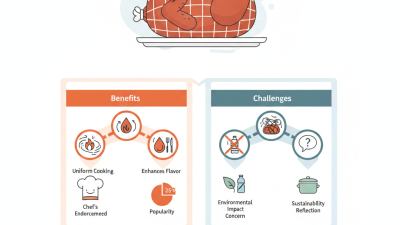
However, challenges remain. Many traditional butchers still rely on outdated practices. They may struggle to compete against those embracing the butchers net. Focusing on local markets can be beneficial, but global connections offer unmatched potential. The landscape is shifting, and those who adapt will thrive in the changing meat industry.
Understanding the Role of Butchers in Global Supply Chains
The role of butchers in global supply chains cannot be overstated. They act as vital links between producers and consumers. According to the Food and Agriculture Organization, the global meat trade is projected to reach $1 trillion by 2025. This surge underscores the critical function of butchers in ensuring meat quality and safety.
Butchers must navigate complex regulations and standards. Many countries have varying import and export requirements. An overwhelming 80% of butchers face challenges with compliance. This highlights the need for continual education and updates on regulations. Moreover, traditional skills must adapt to modern demands. Many butchers require training in food safety and supply chain management.
Despite their importance, butchers often struggle to maintain profitability. Market competition is fierce. Many process smaller volumes of meat, which does not optimize economies of scale. Initiatives to globalize sourcing can create opportunities. However, butchers must remain aware of ethical sourcing and sustainability trends. Balancing quality and cost will always demand careful reflection and adjustment.
Key Factors Influencing Global Sourcing for Butchers
In today's global market, sourcing opportunities for butchers are expanding. Understanding key factors influencing this process is essential for success. Quality, cost, and supplier reliability play a significant role in the decision-making process. Butchers must evaluate potential suppliers thoroughly to ensure they meet industry standards.
Tip: Always request samples before placing large orders. This helps assess quality and builds trust with suppliers. A poor product can harm your reputation and sales.
Another factor is logistics. Sourcing from overseas can complicate shipping and handling. Ensure you have a reliable logistics partner to manage these tasks efficiently. Consider local regulations, as compliance is crucial in maintaining a legitimate business.
Tip: Create a checklist for suppliers. Include factors like certifications, delivery times, and communication effectiveness. An organized approach can significantly streamline your sourcing process. Reflect on how each aspect impacts your operations and adjust your strategy accordingly.
Best Butchers Net for Global Sourcing Opportunities
| Country |
Sourcing Opportunities |
Quality Standards |
Market Trends |
Trade Barriers |
| USA |
High quality meats, organic options |
USDA certified, local regulations |
Increasing demand for grass-fed beef |
Tariffs on imports from specific countries |
| Australia |
Exporting high-grade beef |
Strict animal welfare standards |
Growth in Asian markets |
Biosecurity regulations |
| Brazil |
Competitively priced beef products |
Export certifications, hygiene standards |
Fluctuating demand based on economy |
Export restrictions and embargoes |
| Germany |
Focus on high-quality pork and sausages |
EU standards, quality assurance |
Shift towards sustainable practices |
Restrictions on certain imports |
| New Zealand |
Grass-fed beef and lamb exports |
High animal welfare and environmental standards |
Rising health-conscious consumer base |
Cultural food import regulations |
Evaluating Top Regions for Meat Sourcing Opportunities
When considering meat sourcing opportunities, evaluating the top regions is crucial. Different areas offer unique advantages according to local practices and regulations. Countries in Europe often follow strict quality standards. This creates a reliable supply chain for premium meats. On the other hand, regions in South America provide cost-effective options. They may lack stringent regulations but can also produce high-quality meat.
Tips: Research local regulations. Understanding compliance issues can save time and money. Check transportation logistics, as this affects pricing and product freshness.
Asia is also becoming significant in meat sourcing. With advancements in technology and farming techniques, many Asian countries show potential. However, quality can vary greatly. It’s important to establish strong relationships with local suppliers. Trust is key in this industry, yet finding dependable partners poses challenges.
Tips: Visit potential suppliers. Personal visits help in assessing practices and quality controls. Building rapport can lead to better deals.
Strategies for Building Strong Relationships with Suppliers
Building strong relationships with suppliers is crucial for successful global sourcing. Trust and transparency are key elements. Engage in open communication to establish expectations. Regular check-ins help identify issues early. Sharing feedback fosters an environment of collaboration.
Understanding cultural differences can enhance these relationships. Different markets have unique customs and practices. Adapting your approach shows respect. Attend local trade shows and events to build rapport. Personal interactions can strengthen ties significantly. Offer assistance when possible; it creates goodwill.
However, not all relationships will be perfect. Misunderstandings can occur, especially when language barriers are present. Reflect on past experiences to improve future interactions. Take time to learn from mistakes. Establish clear agreements to minimize conflicts. Flexibility is important, but boundaries must be maintained for accountability.
Emerging Trends in the Global Butchery Market
The global butchery market is witnessing significant changes. Increased consumer interest in ethically sourced meat is driving this shift. Many people now prioritize sustainability in their food choices. They seek local, organic options that respect animal welfare. As a result, traditional butchers face challenges adapting to these expectations.
Technology plays a vital role in this transformation. E-commerce platforms are emerging, connecting suppliers and customers directly. This opens new opportunities for butchers to reach a broader audience. Online marketing strategies are becoming essential for success. Yet, not all butchers are equipped to navigate these digital landscapes. There is a noticeable gap in knowledge about effective online presence and branding.
Emerging trends indicate a growing demand for specialty meats, including game and exotic options. Consumers are becoming more adventurous, wanting unique culinary experiences. However, this trend requires butchers to stay informed about sourcing and preparation methods. Some may struggle to meet these demands while maintaining quality and sustainability. Continuous adaptation is necessary for thriving in a competitive market.