What Is the Best Net for Smoking Meat?

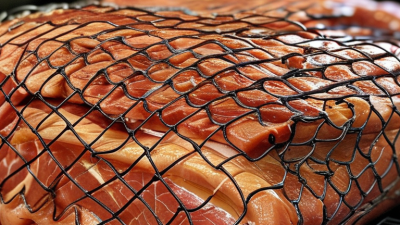
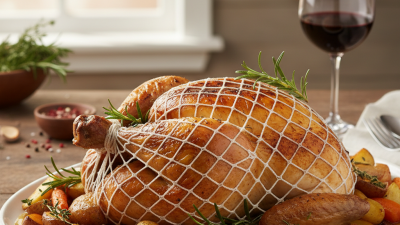
Choosing the best net for smoking meat depends on the cut, smoker temperature, and desired shape. Food-grade elastic meat netting is usually the most practical option for rolled roasts, poultry, and boneless pork. It keeps loose layers together while smoke moves around the surface. The net should fit firmly, never tightly. A crushed roast may cook unevenly.

Stainless steel mesh can work for smaller pieces, but it may leave pressure marks. Cotton butcher’s netting offers flexibility and a traditional appearance. Always confirm its heat rating and food-contact safety. Avoid unknown plastics, coated wire, and galvanized metal. They can soften, shed particles, or create unwanted fumes. That detail matters.

Steven Raichlen, a respected barbecue author and educator, says, “Barbecue is not grilling.” His point applies here. Smoking requires controlled heat, patience, airflow, and careful preparation. A suitable net supports the process, but it cannot fix poor temperature control. Use clean hands, trimmed meat, and a reliable thermometer. Check the net before cooking. Small tears can become larger near heat.

My first assumption was that tighter netting would produce a better shape. It did not always work. The meat needs room to expand and release moisture. For most home smokers, food-grade cotton or elastic netting is the safest starting point. The best net for smoking meat is not the strongest-looking product. It is the one designed for cooking, sized correctly, and tested against your smoker’s heat.
What Is the Best Net for Smoking Meat?

Types of Nets Used for Smoking Meat

What Is the Best Net for Smoking Meat?

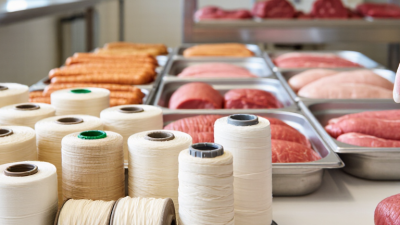
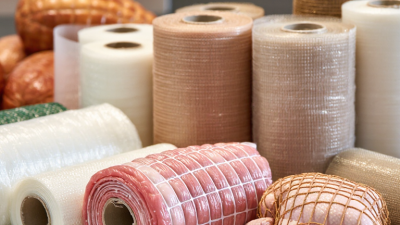
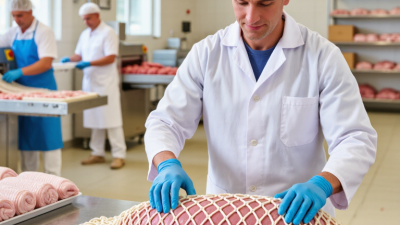
The best net depends on the meat’s shape, fat content, and smoking temperature. Food-grade cotton butcher netting is a dependable choice for rolled pork, poultry, and stuffed roasts. It holds the filling tightly and leaves a light pattern on the surface. Choose untreated cotton made for cooking, not decorative or industrial mesh.

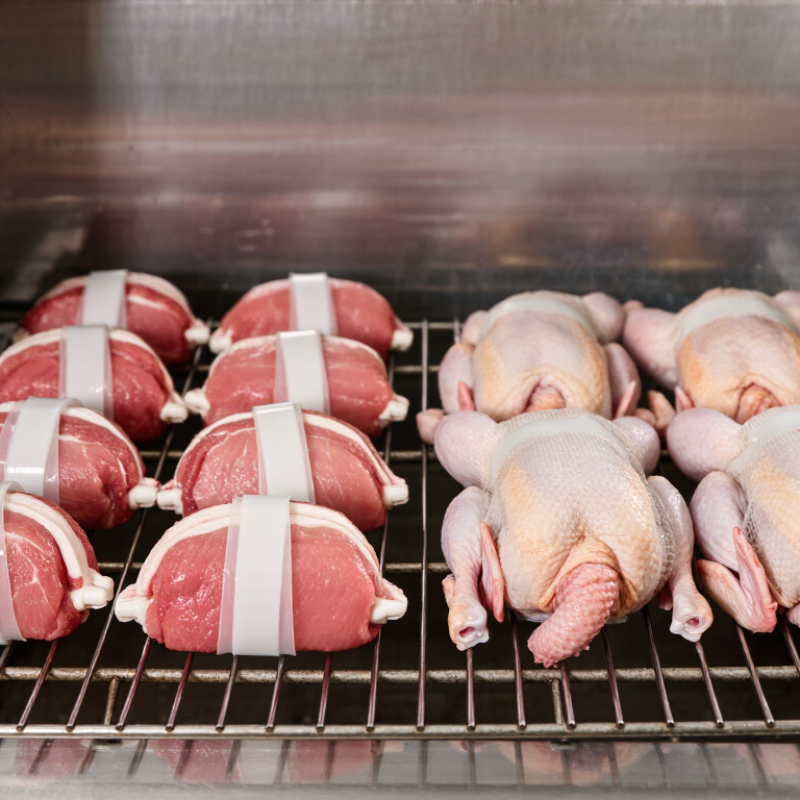
Elastic meat netting is useful when the roast expands during cooking. Its tension supports uneven cuts without crushing them. However, cheap elastic can soften, break, or leave residue under heat. Check the temperature rating carefully.

Collagen netting offers another option for sausages and formed meats. It is edible in some applications, but its instructions vary, so never assume it can be eaten.

Stainless-steel smoking mesh works well for small pieces, loose ground meat, and delicate items. It prevents food from falling through grates and can be cleaned repeatedly. The mesh should be rust-resistant, smooth, and free from coatings. Avoid nets containing unknown plastics, dyed fibers, or metal parts that may contact food. Keep every net away from direct flames.

A simple test helps. Stretch the net gently, inspect broken strands, and check its heat rating before cooking. It is easy to overlook these details. I would also leave extra space around the meat, because a tight net can mark the surface deeply and restrict expansion. Thin netting may look convenient, but thicker material often handles heavier roasts more securely.

Key Materials and Their Heat-Safety Properties

What Is the Best Net for Smoking Meat?

For most smokers, food-grade stainless steel is the safest net material. Type 304 stainless steel handles normal smoking temperatures without softening or releasing a coating. Type 316 offers stronger corrosion resistance, especially near salty marinades or humid cooking areas. A tightly woven mesh supports small foods, such as shrimp, chopped vegetables, and delicate fish. Wider openings suit ribs or larger cuts and allow smoke to circulate more freely.

Heat safety depends on more than the metal itself. Avoid galvanized nets, because zinc coatings can produce hazardous fumes when overheated. Painted, plastic-coated, or unknown plated mesh can also deteriorate near direct flames. Aluminum may work at moderate heat, but it bends more easily and can lose strength during intense heating. Check for sharp wires, loose joints, and rust before every cook. Small flakes can stick to meat.

In practical use, I prefer a smooth stainless mesh with welded edges. It is easier to clean and less likely to tear food when lifted. Wash it with a mild detergent, then dry it completely. Grease trapped in fine mesh may ignite during a later high-heat session. That risk is easy to underestimate. A thermometer should guide the smoker temperature, but remember that the net can face hotter spots near vents or charcoal. I would not trust any net without clear material information and a stated heat limit. Even stainless steel is not automatically safe if it contains unknown coatings or poor-quality welds.

How Mesh Size Affects Smoke, Flavor, and Meat Handling

What Is the Best Net for Smoking Meat?

How Mesh Size Affects Smoke, Flavor, and Meat Handling

For smoking meat, a food-grade stainless steel net is usually the most dependable choice. It tolerates heat, resists rust, and releases fewer unwanted flavors than untreated metal. I prefer a medium mesh with openings around 6 to 10 millimeters. It supports smaller cuts while allowing warm smoke to reach more surface area.

Mesh size changes the cooking experience. Large openings improve airflow and create stronger surface contact with smoke. However, soft meat can sag through the gaps. Small openings hold meat securely, but they may restrict airflow and trap moisture against the surface. That can soften the bark and create uneven browning. The difference becomes obvious with sliced vegetables, fish, or loosely rolled meat.

Handling matters too. A flexible net can keep a roast compact, making it easier to turn and move. Tight mesh may leave deeper marks, especially after several hours of cooking. I once chose a net with openings that looked practical, but smaller pieces slipped through during handling. That was my mistake. I now test the net with the smallest cut before starting the smoker.

A clean, smooth surface is essential. Inspect the net for sharp edges, broken wires, or residue before use. Wash it thoroughly after every session. Mesh selection is not perfectly universal. Cut size, moisture, airflow, and cooking temperature all change the result.

What Is the Best Net for Smoking Meat?

Mesh size affects how easily smoke can pass through the net and how much support the net provides during handling. This chart shows the calculated open area for stainless-steel mesh using a consistent 0.035-inch wire diameter. Larger openings generally allow greater airflow, while finer mesh provides more support but restricts passage.

Open area is calculated from mesh count and wire diameter: open area = [(1 ÷ mesh count − wire diameter) ÷ (1 ÷ mesh count)]² × 100. For smoking meat, medium mesh is often a practical balance between airflow, smoke contact, and secure handling.

Choosing the Best Net for Different Cuts and Smoking Methods

Choosing the best net starts with the cut, not the smoker. For brisket or pork shoulder, use a food-contact cotton net with tight, even loops. It holds loose muscles together and leaves a clean, attractive surface. Cotton also handles long, moderate smoking sessions without changing the flavor.

For rolled poultry or lean loin, an elastic polyester net can provide firmer support. However, it must be heat-rated and clearly labeled for cooking use. Some synthetic nets can deform near direct heat. That detail is easy to overlook.

Smoking method changes the decision. Low-and-slow cooking suits cotton netting because the meat needs gentle restraint over several hours. Hotter roasting or short smoking favors heat-rated elastic netting, especially when the cut expands.

Never let the net touch open flames, glowing coals, or a heating element.

USDA FSIS guidance recommends 145°F for whole cuts with a three-minute rest, 160°F for ground meat, and 165°F for poultry.

The net cannot replace a thermometer. It only supports the shape.

The FDA Food Code identifies 41°F to 135°F as the temperature danger zone. Keep raw meat chilled before netting, then monitor the thickest section during smoking.

A practical test is simple: the net should stay snug, but not leave deep grooves.

I once preferred tighter netting for neat slices, yet it compressed the bark and slowed cooking. That mistake changed my view. Texture matters more than perfect appearance.

Remove the net carefully after resting, when juices have settled.

Safe Preparation, Use, Cleaning, and Storage of Smoking Nets

What Is the Best Net for Smoking Meat?

A reliable smoking net should be labeled for food contact and rated for cooking temperatures. Cotton, polyester, and elastic blends behave differently under heat, so follow the supplier’s temperature guidance. Never use craft mesh, painted fibers, or unknown materials. Heat exposes mistakes. Inspect the net before use. Reject it if threads are frayed, brittle, stained, or coated with old grease.

Wash your hands and sanitize the work surface before handling the meat. Keep raw meat below 40°F (4°C), matching USDA Food Safety and Inspection Service guidance for safe refrigeration. Do not depend on the net to show doneness. Use a calibrated thermometer instead. USDA FSIS recommends 145°F for whole cuts of beef, pork, lamb, and veal, with a three-minute rest. Ground meats should reach 160°F, while poultry requires 165°F. Insert the probe into the thickest section, avoiding the net and any bone.

After smoking, refrigerate leftovers within two hours, or within one hour when temperatures exceed 90°F, according to USDA guidance. Remove the net carefully while wearing clean gloves. Wash reusable nets with hot water and detergent, then rinse thoroughly. FDA Food Code 2022 emphasizes cleaning food-contact surfaces to remove soil and reduce contamination risks. A clean appearance is not proof. Let the net dry completely before storing it in a sealed, breathable container away from raw-food tools. If odor, grease, or discoloration remains, discard it. Saving a cheap net can create an expensive mistake.

We are using cookies on our website

Please confirm, if you accept our tracking cookies. You can also decline the tracking, so you can continue to visit our website without any data sent to third party services.