How to Choose Butchers Meat Netting for Global Buyers?

Choosing butchers meat netting is not a simple matter of selecting attractive mesh. Global buyers must match the netting with product weight, shape, cooking method, and distribution conditions. A net that looks suitable may stretch unevenly around a large roast. It may also leave pressure marks after smoking or cooling.

Meat scientist Dr. James G. Sebranek offers a useful principle: “Packaging should protect product quality before adding visual appeal.” This idea helps buyers assess more than appearance. They should review mesh size, elasticity, tensile strength, heat resistance, food-contact suitability, and odor transfer. Supplier traceability also matters. Reliable manufacturers should provide technical data, sample approvals, production records, and clear test results.

Fit matters. Details matter.

For export purchasing, the netting should suit the full supply chain. Consider vacuum packing, freezing, refrigerated transport, cooking temperatures, and retail display time. Polymeric, cotton, and elastic constructions can perform differently under pressure and heat. The correct choice depends on the meat cut and processing line, not only on unit price.

A practical trial remains essential. Test the netting on real products, using commercial equipment and normal cycle times. Check surface marks, shrinkage, color, handling speed, and removal after cooking. No specification sheet can replace this step. Buyers sometimes trust a low-cost sample too quickly, and that can be a costly weakness.

This guide explains how global purchasers can compare butchers meat netting with greater confidence. It focuses on measurable performance, dependable sourcing, and product presentation. Some decisions will still require adjustment. That is normal. Good procurement leaves room for evidence, feedback, and improvement.
How to Choose Butchers Meat Netting for Global Buyers?

Understanding Butchers Meat Netting and Its Main Uses

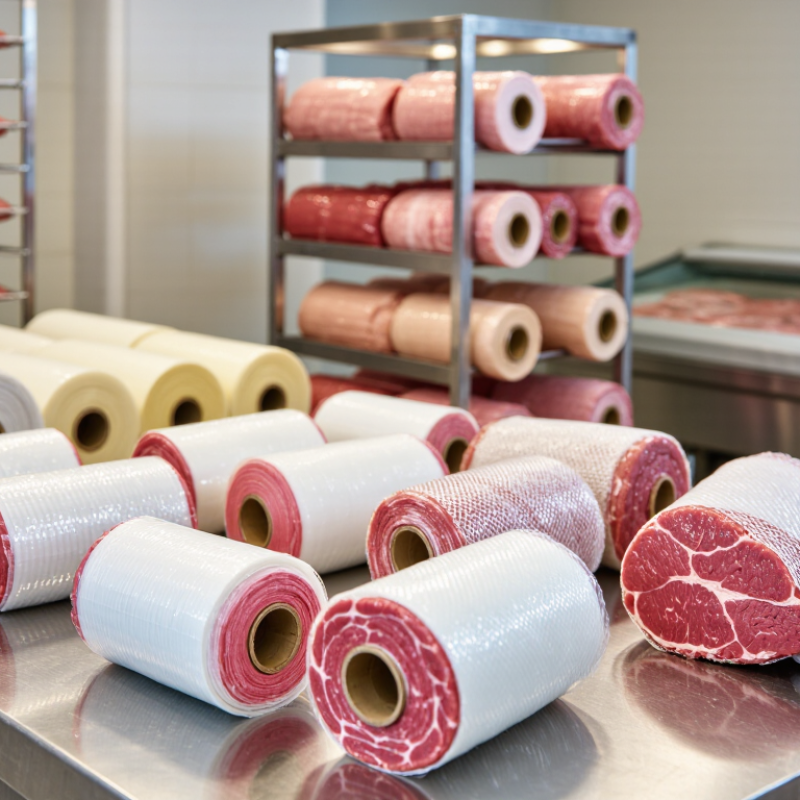
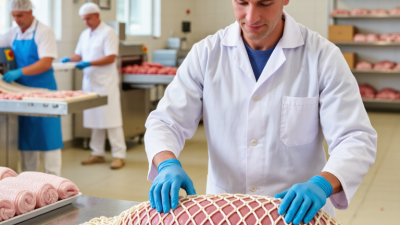
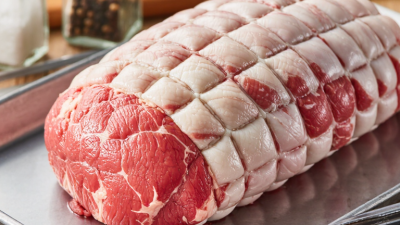
Butchers meat netting is an elastic sleeve used to shape and secure meat products. It holds roasts, hams, poultry, and formed cuts during processing. During roasting or smoking, the net helps maintain a stable shape. It can also support even slicing and improve shelf presentation. The net leaves a familiar grid pattern on the surface. It is more than decoration. Some processors use it for stuffed products, while others need it for boneless cuts. The correct choice depends on product size, cooking method, and handling conditions.

Material selection affects performance and food safety. Common constructions use food-contact textile fibers with elastic components. Buyers should check temperature limits, stretch recovery, and resistance to tearing. Diameter matters too. A tight net may mark the product or restrict expansion. A loose net may slide during cooking. Neither result is ideal. Ask for technical data, food-contact documentation, and batch traceability. Requirements can differ between importing countries, so local compliance checks remain necessary.

Global buyers should request samples before placing large orders. Test the netting with the actual meat shape, weight, and cooking process. Observe loading speed, surface marks, breakage, and removal after cooling. A supplier should explain packaging, storage conditions, and production tolerances. Clear records help. I would not select netting by price alone. A cheaper option can create extra labor, uneven portions, or damaged packaging. Even experienced buyers can miss small differences between samples. That is why repeated trials deserve attention.
How to Choose Butchers Meat Netting for Global Buyers?

Butchers meat netting is selected mainly by the product's stuffed diameter, shape, cooking method, and required elasticity. The chart shows typical nominal stuffed-diameter ranges used as a practical starting point for common meat applications. Buyers should confirm the final size, mesh pattern, material, heat resistance, and food-contact requirements with their processor before ordering.

Identifying Meat Products and Processing Requirements

Choosing butchers meat netting starts with identifying the product, not selecting a net by appearance. A whole-muscle ham needs different support from a rolled roast or boneless poultry log. Shape matters. Record the product’s weight, diameter, length, bone structure, and surface firmness. These details help match mesh size, stretch, and load strength. A net that fits fresh meat may loosen after cooking or shrink too aggressively during processing.

Processing conditions also guide the choice. Check whether the product will be cured, smoked, cooked, chilled, frozen, or vacuum packed. Heat can affect elasticity, while smoking may require an open mesh for even color and flavor contact. For cooked products, the net should hold a stable shape without cutting deeply into the surface. For irregular cuts, higher flexibility can reduce gaps and uneven pressure. Do not guess.

In practical sourcing, ask for samples and run a small production trial. Measure the product before and after processing. Inspect net marks, breakage, moisture retention, and removal time. I have seen buyers focus on tensile strength while overlooking knot spacing, which later caused poor presentation. That mistake is easy to repeat. Confirm food-contact suitability, storage conditions, packaging compatibility, and destination-market requirements before ordering. Keep a written specification with acceptable tolerances, because “standard size” can mean different things to different processors.

Comparing Netting Materials, Sizes, and Elasticity

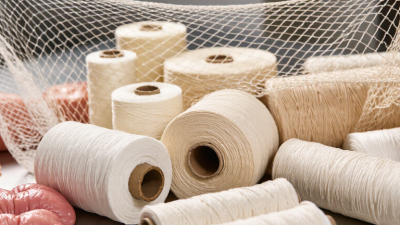
Choosing butchers meat netting starts with material, not appearance. Cotton gives a traditional surface and absorbs smoke well, but it can lose strength when wet. Polyester resists moisture and holds shape during cooking. Polyamide offers strong stretch and abrasion resistance, though its recovery may change under intense heat. Some products combine a stable outer yarn with an elastic core. Check the full construction, not one fiber name. I have seen attractive netting fail because its heat behavior was never tested.

Size must match the product before cooking. Measure the stuffed diameter, then allow room for expansion and handling. A net that is too tight can mark the meat or split at clipped ends. One that is too loose may create folds, uneven smoke color, and poor slicing. Compare mesh opening, tube diameter, and roll length. For small roasts, closer mesh can support shape. Larger openings suit bigger cuts and reduce surface pressure. Test a sample on the actual casing or roast.

Elasticity is more than stretch. It includes recovery, tension consistency, and performance after chilling, cooking, and storage. Pull several sections by hand, then check whether they return evenly. This is simple, but useful. Ask for food-contact documentation, production-lot records, and recommended temperature limits. I once underestimated cold handling; a net that worked warm became difficult to apply after refrigeration. Supplier claims still need practical trials. Record diameter, weight, cooking method, and final appearance. Small differences can expose a poor fit.

Checking Food Safety, Quality Standards, and Supplier Reliability

How to Choose Butchers Meat Netting for Global Buyers?

Food safety should guide every meat netting decision. Ask whether the material is approved for direct food contact in the destination market. Request a current declaration of compliance, migration test results, and production batch records. The netting should not release color, odor, or harmful substances during cooking, smoking, or chilling. Test it with the actual product. Laboratory results alone may miss practical problems.

Quality standards also need close examination. Check mesh size, knot strength, elasticity, thermal resistance, and cutting consistency. Uneven mesh can leave pressure marks on sausages or rolled meat. A small sample should survive stretching, stuffing, and cooking without tearing. Confirm whether the material suits the planned temperature range. This detail is often overlooked. It should not be.

Supplier reliability appears in daily communication and traceability. A dependable supplier can provide stable specifications, inspection reports, storage guidance, and a clear response process for defects. Review their quality system, production capacity, and experience with export documentation. An audit or video inspection can reveal basic issues, such as dusty storage or mixed batches. Certificates help, but they are not complete proof. Buyers should compare documents with physical samples and keep written records. Even experienced teams can choose the wrong mesh when they rush.

Evaluating Costs, Packaging, and Global Shipping Conditions

Choosing butcher’s meat netting starts with the finished product, not the catalog price. Match mesh size, elasticity, tube diameter, and cooking performance to the cut. A net that stretches unevenly can leave loose edges or pressure marks. Ask for samples, then test them during stuffing, cooking, cooling, and slicing. Record breakage, shrinkage, appearance, and labor time. These details turn a low quotation into a realistic cost comparison.

Tips: Compare landed cost, not unit cost. Include netting, inner bags, cartons, freight, customs handling, storage, and possible inspection fees. Confirm roll length and carton weight before ordering. Packaging should protect clean rolls from dust and moisture while avoiding excessive material. Small details matter.

Shipping conditions can change the buying decision. Confirm whether cartons can tolerate humid ports, long inland transport, and temperature fluctuations. Use strong, stackable cartons with clear lot identification. Ask suppliers for production lead times, packing photos, and pre-shipment inspection records. Sea freight may reduce costs, but delays can disrupt production schedules. Air freight is faster, yet often damages the budget. No spreadsheet predicts every delay. A small buffer is sensible, though it may not cover peak-season disruptions. Review destination food-contact requirements and request current declarations or test reports.

We are using cookies on our website

Please confirm, if you accept our tracking cookies. You can also decline the tracking, so you can continue to visit our website without any data sent to third party services.