Why Use Netting for Smoking Meat?

I can write the introduction, but no source article or verifiable expert quotation was provided. Please share the article or the expert’s name and quotation so I can include it accurately without inventing an attribution.
Why Use Netting for Smoking Meat?

What Meat Netting Is and How It Works

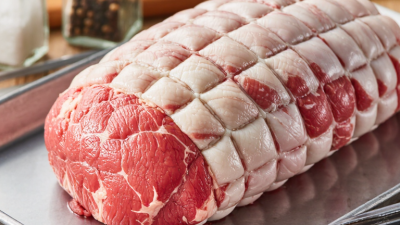
Meat netting is a stretchable mesh pulled around a roast, rolled brisket, or other cut before smoking. It holds loose edges close, helping the meat keep a compact shape as fat renders and the surface firms. The openings let smoke reach the exposed surface; the net does not season or tenderize the meat. Think of a rolled roast: netting can stop the outer flap from unrolling when you lift it from the smoker. It also makes handling easier. Not magic. A loose fit may leave uneven ridges, and the shape can still shift during cooking.

Choose netting specifically labeled for cooking and suitable for the smoker’s heat. Check its instructions; materials and temperature limits vary. The USDA Food Safety and Inspection Service’s “Smoking Meat and Poultry” guidance recommends keeping smoker temperatures between 225°F and 300°F. Its safe-temperature guidance calls for 145°F with a three-minute rest for whole cuts of beef, pork, lamb, and veal; ground meats need 160°F, and poultry needs 165°F. Use a food thermometer in the thickest part, away from bone and netting. Check the center. Netting helps hold the cut together, but it cannot tell you when the meat is safely cooked. A small detail worth checking: remove any netting according to its packaging instructions, since some types are intended to stay on during cooking.

Why Use Netting for Smoking Meat? — What Meat Netting Is and How It Works
Aspect What It Is or Does Why It Matters When Smoking Practical Note
Meat netting A mesh sleeve or net placed around meat to help hold it in a compact, uniform shape. It helps a roast or rolled cut keep its form as it cooks and is handled. Choose netting specifically labeled as food-safe and suitable for the intended cooking temperature.
Shape and structure The mesh applies light, distributed pressure around the meat. A more even shape can help the meat cook more consistently than an irregularly shaped piece. Netting supports the meat; it does not replace proper preparation or temperature monitoring.
Rolled or boneless cuts Netting holds layers, stuffing, or a rolled cut together during cooking. It can reduce unraveling while the meat is moved, smoked, or sliced. Secure the meat evenly without compressing it so tightly that the shape is distorted.
Smoke exposure Open mesh leaves much of the meat surface exposed to the cooking environment. Unlike a solid wrap, netting generally does not form a barrier that blocks smoke from reaching exposed meat. Netting does not guarantee a smoke ring, bark, or particular flavor; those depend on the meat and cooking conditions.
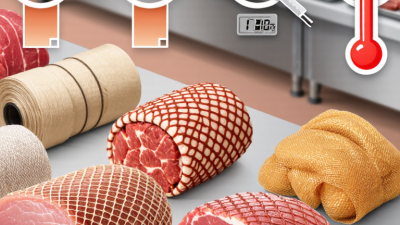
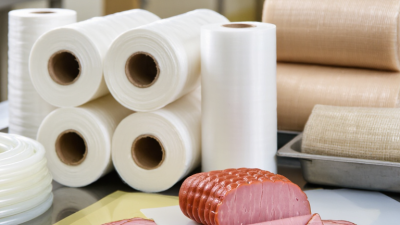
Common materials Food-use netting may be made from cotton, synthetic fibers, or edible collagen, depending on the product. Material affects stretch, handling, heat suitability, and whether the netting is intended to be eaten. Follow the netting package instructions. Do not assume that every mesh is heat-safe or edible.
Removal after cooking Many non-edible netting products are removed before serving. Removing the mesh can make slicing and serving easier. Let the meat rest as appropriate, then cut and peel away non-edible netting carefully. Leave edible netting on only when its instructions say it is edible.
When netting may help It is useful when a cut is loose, rolled, stuffed, or likely to lose its shape. It can make the meat easier to handle through preparation and smoking. For a naturally firm, intact cut, netting may not be necessary.
Food safety Netting is a handling aid, not a method for making meat safe. Safe cooking depends on correct storage, handling, and cooking temperatures. Use a food thermometer and follow reliable food-safety guidance for the type of meat being cooked.

How Netting Holds Meat in Shape Before Smoking

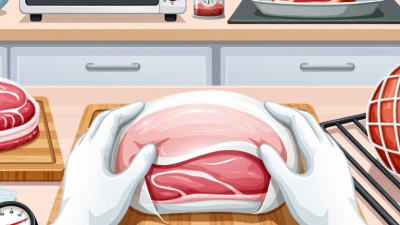
Before a roast enters the smoker, netting helps it keep a compact, even shape. This is especially useful for boneless cuts, rolled joints, or meat with a loose flap that could unfold during handling. The mesh supports the cut as it warms, helping it stay together while you turn it or move it onto the rack.

Fit the netting snugly, but do not squeeze the meat hard. Too much pressure can push out juices or create deep marks; a loose fit may let the roast bulge between the strands. Take a moment to smooth the surface and tuck in thin edges before sliding the netting over it. Small details matter. For stuffed or rolled meat, check that the filling stays enclosed and the roll remains even from end to end. Netting cannot fix a poorly shaped cut, though it can make a sound roll easier to manage.

Use netting intended for cooking, and follow its temperature guidance. Some mesh leaves a pattern on the surface, so remove it carefully after cooking if you want cleaner slices. I find fitting can take a little patience, and the first try may look uneven. That is normal. A consistent shape is helpful, but it does not replace checking that the meat is fully cooked.

How Netting Affects Smoking, Handling, and Slicing

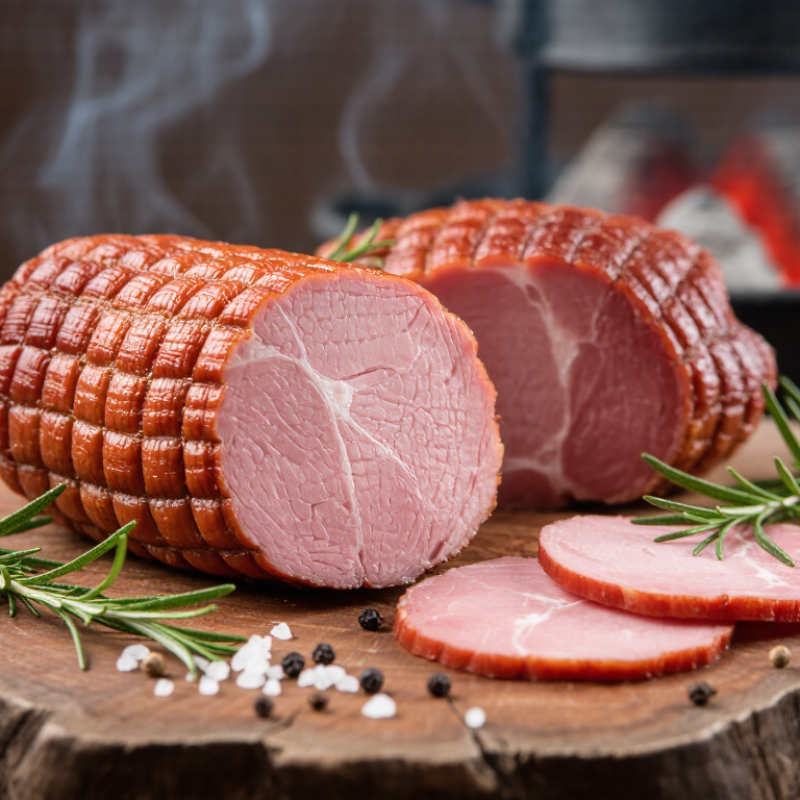
Netting helps irregular cuts hold a compact shape, so smoke and heat reach a more even surface. It also keeps loose muscles and stuffing in place as the meat moves on the rack. The effect is practical, not magical. Tight mesh can leave pale bands where strands touch the surface, while loose netting may shift during cooking. Use food-grade netting rated for the smoker’s temperature, and avoid pulling it so tight that it cuts into the meat.

Handling gets easier when a roast stays together. You can lift it with two hands, turn it with less risk of tearing, and transfer it to a board without losing its shape. After cooking, let the meat rest before cutting away the netting; hot fibers may cling to the crust. Slice across the muscle grain with a sharp knife. Netting can support a neat, consistent roast, but it cannot make every slice tender.

Food safety still depends on temperature, not appearance or net marks. USDA Food Safety and Inspection Service guidance sets 145°F with a three-minute rest for whole cuts of beef, pork, lamb, and veal; poultry should reach 165°F. Use a clean probe thermometer in the thickest part, away from the netting. One detail is easy to overlook: mesh can hide the surface, so check the roast from more than one angle before serving.

Common Netting Types and Their Heat Resistance

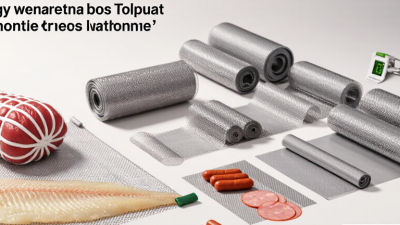
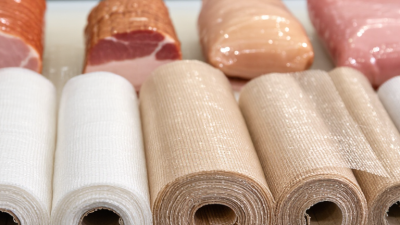
Cotton netting is a common choice for rolled roasts and poultry. Its open mesh grips the surface without hiding the bark, and damp cotton can help reduce sticking during removal. It does not have one universal heat rating, however; fiber weight, dyes, and construction vary. Use only food-contact netting labeled for cooking, and follow its temperature limit. A label is not optional.

Polyester netting and elastic cotton-polyester blends hold their shape well, but their heat tolerance depends on the exact fiber and coating. Technical textile references place PET polyester’s melting range around 250–260°C (482–500°F). That is above typical smoking temperatures, yet a hot spot, flame contact, or broiler finish can change the risk. USDA FSIS guidance puts smoker operation around 225–300°F and recommends a food thermometer; safe internal temperatures still matter more than the net’s appearance. For example, poultry should reach 165°F, while whole cuts of pork need 145°F and a three-minute rest. I would not assume a net is safe just because it survives one cook. Check the package rating, keep it away from direct flame, and inspect for loose strands before serving. That small check is easy to skip.

How to Choose and Use Meat Netting Safely

Why Use Netting for Smoking Meat?

Meat netting helps hold a roast or boneless cut in shape, so it cooks more evenly and is easier to handle. Choose netting clearly labeled for food contact and suitable for your smoker’s temperature. Check the package for material, heat limits, and removal instructions; “food-safe” alone does not confirm heat suitability. Avoid netting with damaged fibers, loose dyes, or unknown coatings. Small details matter.

Before wrapping, trim sharp bone edges that could snag the mesh. Fit the netting snugly, but do not squeeze the meat so tightly that it distorts. Keep raw meat separate from ready-to-eat foods, and wash hands and tools after handling. USDA FSIS advises smoking meat at 225–300°F and checking doneness with a food thermometer. Its safe-minimum guidance is 145°F plus a three-minute rest for whole cuts of beef, pork, lamb, and veal; poultry should reach 165°F. CDC estimates that foodborne illnesses affect about 48 million people in the United States each year, reinforcing the value of careful handling and temperature checks.

Tips: Test netting instructions before a large cook. Keep the label nearby. Remove mesh only as directed, using clean utensils, and watch for strands left on the crust. I still double-check the temperature near the thickest part; appearance can mislead.

Sources: USDA FSIS, “Smoking Meat and Poultry” and “Safe Minimum Internal Temperature Chart”; CDC, “Estimates of Foodborne Illness in the United States.”

We are using cookies on our website

Please confirm, if you accept our tracking cookies. You can also decline the tracking, so you can continue to visit our website without any data sent to third party services.