China Top 10 Meat Mesh Manufacturers for Global Buyers?
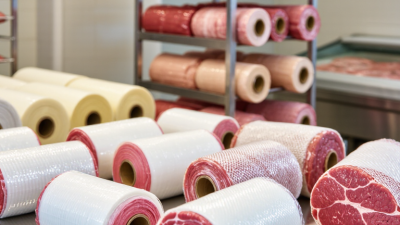
China has become a major sourcing destination for meat mesh used in ham, roast beef, poultry, and processed meat production. However, finding reliable manufacturers requires more than comparing prices or factory photographs. Buyers must examine mesh materials, elasticity, diameter, knot strength, packaging, and food-contact suitability. Production consistency matters when every roast must hold its shape.
Temple Grandin, a widely recognized meat-processing expert, has said, “People are the most important part of the system.” Her principle applies directly to meat mesh purchasing. Experienced suppliers should understand how netting behaves during stuffing, cooking, smoking, chilling, and slicing. They should also provide clear specifications, inspection records, samples, and responsive technical support. Good communication prevents small errors from becoming expensive production delays.
This guide introduces ten Chinese meat mesh manufacturers for global buyers. The selection focuses on manufacturing experience, product customization, export capability, quality controls, and practical customer feedback. It also considers whether a supplier can support different meat diameters, cooking temperatures, and packaging requirements. No list is perfect. A company may perform well in one application and disappoint in another. Buyers should test samples under real operating conditions before placing large orders. Check the mesh after cooking. Inspect the surface closely. A strong-looking product can still stretch unevenly or leave unwanted marks. These details are easy to overlook, but they influence yield, appearance, and customer satisfaction. The right supplier is not always the cheapest one. It is the partner that delivers stable meat mesh quality, honest documentation, and dependable service over time.
What Is Meat Mesh and Where Is It Used?
What Is Meat Mesh and Where Is It Used?
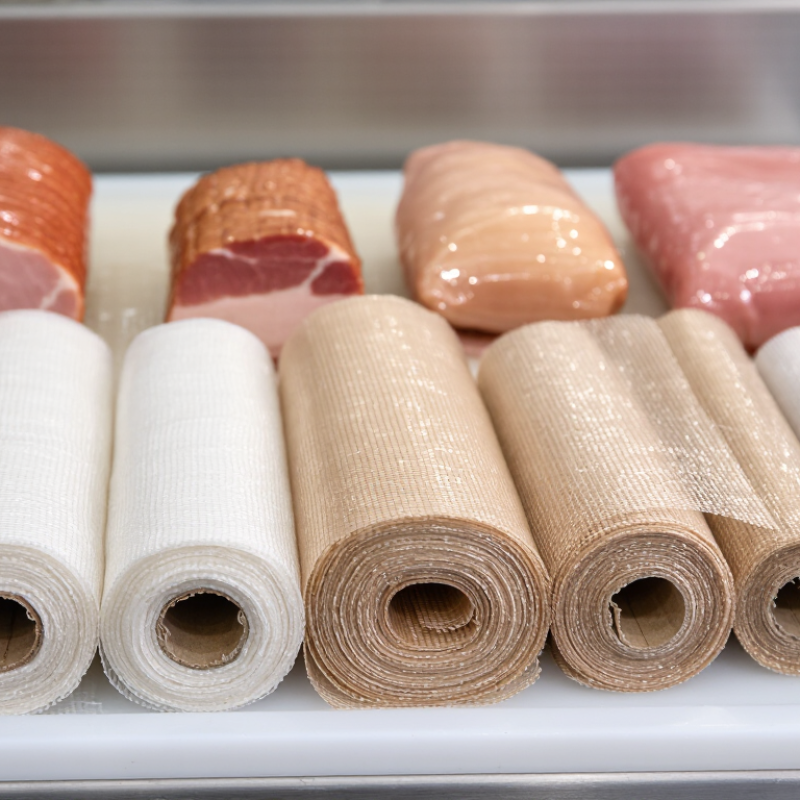
Meat mesh is a flexible netting used to shape, hold, or protect processed meat during production. It is commonly made from food-contact fibers, elastic materials, or heat-resistant synthetic strands. The mesh helps create even portions and a consistent outer texture. It can also support meat during cooking, smoking, steaming, or chilling.
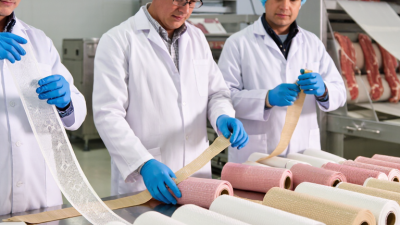
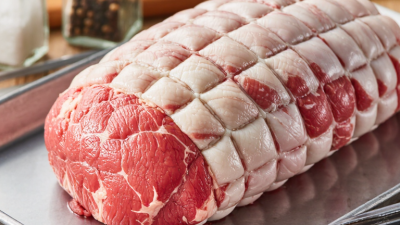
Processors use meat mesh for roasts, ham, poultry rolls, sausages, and formed meat products. In a practical factory setting, workers stretch the mesh over prepared meat before thermal processing. The netting keeps loose sections together while fat and moisture move through the openings. After cooking, it can leave an attractive pattern on the surface. Results vary, though. Mesh tension, product size, cooking temperature, and removal timing all affect the final appearance.
Tips: Choose mesh according to the meat’s weight, shape, and processing temperature. Check food-contact documentation before purchase. A sample trial is important because laboratory specifications may not match production conditions. Inspect the mesh for broken strands, uneven openings, or excessive stretching. These small defects can cause tearing and poor presentation. Clean handling also matters, especially when the mesh touches exposed meat. Some suppliers offer custom sizes, but unusual dimensions may increase lead times. In my experience, buyers sometimes focus on appearance and overlook removal efficiency. That mistake can slow packaging and increase waste.
China Top 10 Meat Mesh Manufacturers for Global Buyers
What Is Meat Mesh and Where Is It Used?
Meat mesh is a food-grade netting used to hold, shape, tie, or protect meat products during processing, cooking, smoking, roasting, and packaging. Common applications include whole-muscle roasts, ham, turkey, chicken, sausages, and formed meat products.
The chart compares USDA-recommended minimum internal temperatures for major meat categories commonly processed with or packaged in meat netting. Meat mesh does not replace proper cooking, temperature control, or food-safety procedures.
Source: USDA Food Safety and Inspection Service, “Safe Minimum Internal Temperatures.”
How to Evaluate Chinese Meat Mesh Manufacturers
China Top 10 Meat Mesh Manufacturers for Global Buyers?
How to Evaluate Chinese Meat Mesh Manufacturers
Global meat processing is expanding. The OECD-FAO Agricultural Outlook 2024-2033 projects meat consumption to grow by about 12% by 2033. This growth increases demand for hygienic, durable conveyor mesh and processing screens. Buyers should evaluate factories, not catalog promises. A manufacturer must explain wire grade, mesh opening, belt load, temperature range, and expected service life.
Request stainless-steel material certificates, preferably traceable to each production batch. Check whether the factory uses 304 or 316 stainless steel for your processing environment. Inspect weld uniformity, edge finishing, and belt flexibility. Small burrs can trap residue. Poor alignment can damage sprockets. Ask for dimensional inspection records and test reports from competent laboratories, such as ISO/IEC 17025-accredited facilities.
Request stainless-steel material certificates, preferably traceable to each production batch.
Production experience matters. Ask for anonymized shipment records, factory audit access, and clear corrective-action procedures. ISO 9001 certification can support process control, but it does not prove food-contact suitability. Confirm compliance with the destination market’s hygiene and materials requirements. The FDA’s Food Code and EU food-contact rules are useful reference points, but local verification remains necessary.
Do not choose by price alone. A low quotation may hide thinner wire, weaker welds, or limited after-sales support. I would test a sample under real tension, washdown, and operating temperature before approving a large order. A glossy factory video is not evidence. Even experienced buyers can overlook maintenance access, which later becomes an expensive weakness.
China’s Top 10 Meat Mesh Manufacturers for Global Buyers
China’s Top 10 Meat Mesh Manufacturers for Global Buyers should be judged by production evidence, not attractive catalog photos. Reliable suppliers usually provide stainless steel or food-grade plastic mesh, clear material certificates, and traceable batch records. Their factories should support cutting, forming, welding, and surface finishing under controlled conditions.
During supplier checks, ask for mesh diameter, opening size, tensile strength, and maximum operating temperature. A practical sample test can reveal loose joints, sharp edges, uneven spacing, or corrosion after repeated washing.
Manufacturers serving meat processors should understand hygiene design, including smooth surfaces and minimal dirt-trapping areas. They should also explain cleaning procedures in specific terms.
Experience matters in real production. A supplier may claim high capacity, yet sample lead times can expose weak planning. Ask how they manage replacement parts, export packaging, inspection photos, and quality complaints. Independent audits and recent customer references add useful evidence, but they do not remove every risk. Some technical documents may be incomplete or translated poorly. That deserves follow-up.
Buyers should compare the top ten candidates using the same checklist. Review material grade, tolerances, inspection frequency, packaging strength, and communication speed. A slightly higher price may reduce downtime and rejected shipments. Still, no ranking stays perfect for every application. Mesh for sausage filling differs from mesh used in curing, smoking, or industrial conveying.
Key Comparison Factors: Materials, Capacity, Quality, and Pricing
China Top 10 Meat Mesh Manufacturers for Global Buyers?
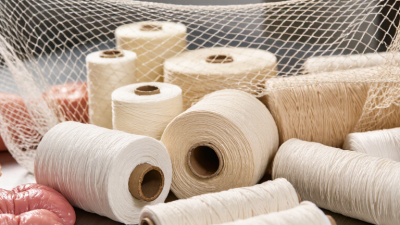
When comparing China’s top ten meat mesh manufacturers, materials should receive close attention. Stainless steel mesh suits repeated heating, washing, and long production cycles. Cotton or food-grade synthetic mesh may support different cooking methods. Ask for material certificates, wire diameter, mesh opening, and heat-resistance data. Food-contact compliance should be documented, not simply promised. Samples matter. A practical test can reveal loose edges, uneven tension, or unwanted flavor transfer.
Production capacity also affects delivery reliability. Review monthly output, equipment condition, workforce stability, and export experience. A supplier may quote a large capacity but lack consistent quality during peak seasons. Check sample-to-batch consistency through inspection records and retained samples. Quality controls should cover dimensions, tensile strength, cleanliness, packaging, and traceability. Clear inspection procedures build confidence. Still, no factory is perfect.
Pricing requires a wider view than the unit quote. Include tooling, sample costs, packaging, freight, taxes, and possible rework. The cheapest mesh can become expensive when breakage slows a processing line. Request tiered prices for different quantities and confirm minimum order requirements. Payment terms and lead times also deserve careful review. I have seen buyers focus on price first, then discover that delivery flexibility was more valuable. A fair comparison should balance material performance, usable capacity, verified quality, and total landed cost.