What Is the Best Meat Mesh Supplier in China?

Choosing the best meat mesh supplier in China requires more than comparing prices. Meat processors need stable mesh dimensions, clean finishing, reliable tensile strength, and documented food-contact controls. A low quotation can become expensive when mesh breaks inside a netting machine or leaves uneven marks on cooked ham.

Industry data supports the need for careful supplier selection. The OECD-FAO Agricultural Outlook 2024–2033 expects continued growth in global meat production and trade. This expansion increases demand for dependable processing materials, including elastic and non-elastic meat mesh products. The FAO Food Outlook also highlights the importance of resilient food supply chains, where consistent packaging performance can reduce waste and production interruptions.

The best Chinese supplier should show practical manufacturing experience, not only polished catalog photographs. Ask for material specifications, aperture measurements, shrinkage data, batch records, and food-contact documentation. Review factory equipment, quality-control procedures, and sample performance under actual cooking conditions. Pay attention to knot strength, elasticity recovery, color stability, and compatibility with automatic stuffing or tying lines. Small details matter.

No supplier wins every test.

Our first shortlist may also be too narrow. A responsible buyer should compare at least three manufacturers, verify certificates with issuing bodies, and request recent inspection records. Communication speed matters, but technical honesty matters more. The strongest partner can explain limitations clearly and suggest a suitable mesh structure for poultry, beef, pork, or specialty products. This guide examines those factors to identify what “best” should realistically mean for international meat processors.
What Is the Best Meat Mesh Supplier in China?

What Is Meat Mesh and Where Is It Used?

What Is Meat Mesh and Where Is It Used?

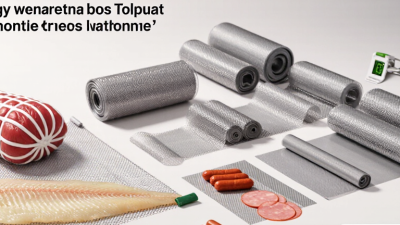
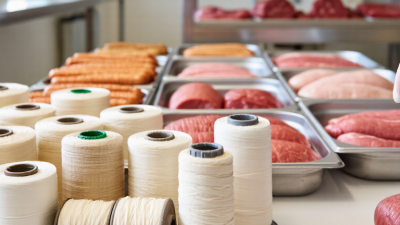
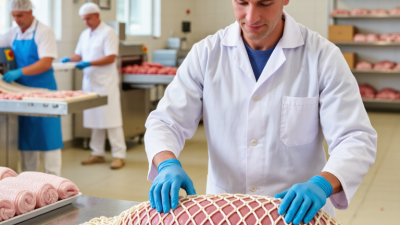
Meat mesh is food-contact netting used to shape and stabilize meat products. It is commonly made from elastic fibers or heat-resistant materials. During roasting, smoking, or cooking, the mesh holds boneless ham, rolled pork, turkey breast, roast beef, and poultry products together. It helps create even diameters and cleaner slices. It also improves presentation on retail counters.

The market need is substantial. FAO’s Food Outlook, published in June 2024, estimated global meat production at about 374 million tonnes in 2023. This figure does not measure mesh consumption. It does show why consistent processing tools matter. Operators choose mesh according to meat diameter, cooking temperature, elasticity, and surface appearance. A tight net may leave deep marks. A loose net may slide during cooking. That assumption is risky.

A reliable China supplier should provide food-contact declarations, batch traceability, tensile data, heat-resistance results, and production samples. Test the mesh on the actual filling and cooking line. Check it again after chilling, when solidified fat can change pressure. Codex General Principles of Food Hygiene, CXC 1-1969, revised in 2022, supports controlled handling practices. Mesh is not a replacement for HACCP or validated cooking controls. It is only one processing aid. The uncomfortable truth is that the best mesh depends on the recipe and equipment, not the lowest quotation. Even good mesh can fail when workers stretch it unevenly.
What Is Meat Mesh and Where Is It Used?

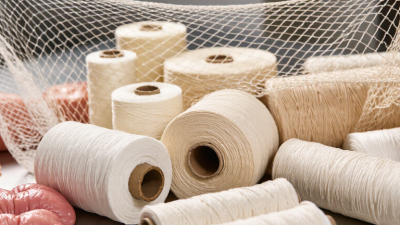
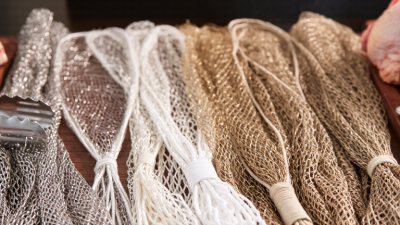
Meat mesh is an elastic food-grade netting used to hold roasts, hams, poultry, and other formed meat products together during seasoning, smoking, cooking, and slicing. The chart shows USDA-recommended safe minimum internal temperatures for meat categories commonly prepared with cooking mesh.

Source: U.S. Department of Agriculture, Food Safety and Inspection Service. Whole cuts of beef, pork, lamb, and veal should reach 145°F (63°C) with a 3-minute rest; ground meats should reach 160°F (71°C); poultry should reach 165°F (74°C).

Which Standards Define a Reliable Meat Mesh Supplier?

A reliable meat mesh supplier in China should prove compliance, not merely display certificates. ISO 9001:2015 shows controlled processes, but it does not guarantee food-contact safety. The supplier should also provide HACCP records, batch traceability, and recent third-party test reports. For stainless-steel mesh, check compliance with China’s GB 4806.9 standard, EU Regulation 1935/2004, or applicable FDA food-contact requirements. Material certificates should identify the steel grade, chemical composition, and production batch.

This scrutiny matters because WHO estimates that contaminated food causes about 600 million illnesses and 420,000 deaths worldwide each year. FAO and WHO reports repeatedly connect prevention with hygienic design and stronger supply-chain controls. Ask how the factory prevents oil, metal dust, and cleaning chemicals from contacting the mesh. Request welding photographs, surface-finish measurements, and corrosion-test results. Small details matter.

A serious supplier should explain mesh diameter, opening size, tensile strength, and heat resistance in measurable terms. It should also provide a sample for independent testing before mass production. Audit the actual workshop, not only the sales office. That step is often skipped. It should not be. Supplier evaluation is never perfect; even a polished audit can miss weak recordkeeping or inconsistent batches. Therefore, retain incoming inspection records and verify dimensions regularly. Fancy paperwork is not enough.

How to Evaluate Chinese Meat Mesh Manufacturers

What Is the Best Meat Mesh Supplier in China?

How to Evaluate Chinese Meat Mesh Manufacturers

Choosing a Chinese meat mesh manufacturer requires more than comparing online prices. Start with the material specification. Ask for the wire grade, mesh diameter, tensile strength, opening size, and coating details. These figures should match your processing equipment and product requirements.

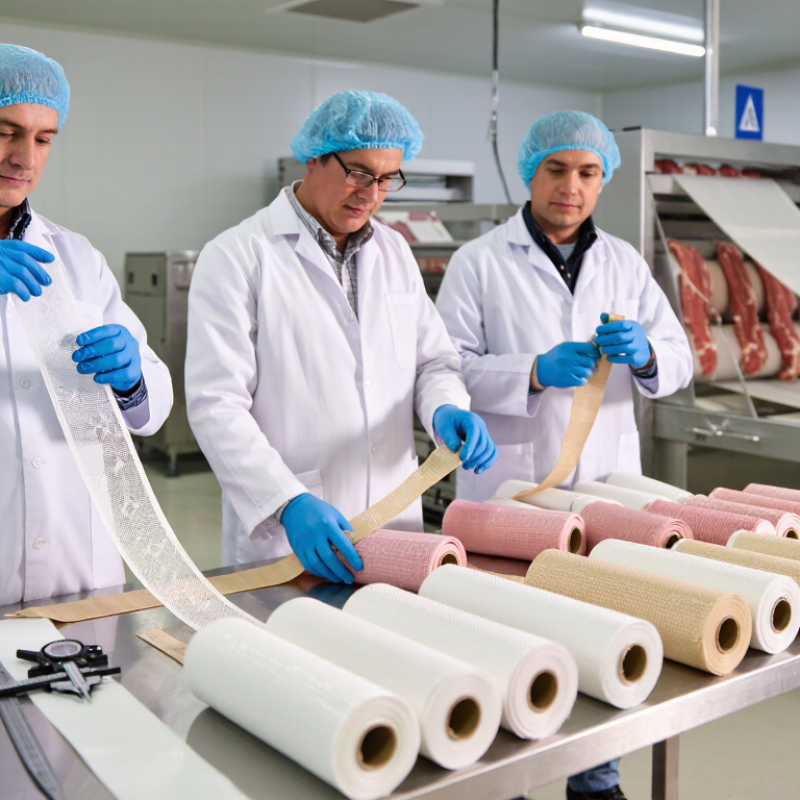
Request a sample from the current production line, not a specially polished showroom piece. Check the mesh by hand. Look for uneven welding, sharp edges, loose joints, and inconsistent spacing. Measure several sections with a caliper. Small differences can affect stuffing, shaping, and cleaning. In my experience, reliable factories explain these limits clearly instead of promising perfect results.

Factory evidence matters. Review quality records, incoming material checks, batch identification, and final inspection procedures. Ask whether the manufacturer can provide food-contact test documents for your target market. Confirm its production capacity through equipment lists, workshop photos, and a live video inspection. A useful supplier should also explain lead times, tooling changes, packaging, and replacement handling. Communication is a real test. Slow or vague answers may become serious problems after payment. I once focused too heavily on a low quotation and overlooked inconsistent sample measurements. That mistake changed my evaluation process. Price still matters, but repeatable quality matters more.

What Products and Customization Options Should Buyers Compare?

When comparing a meat mesh supplier in China, buyers should examine products before discussing price. Common options include elastic netting for roasts, ham, poultry, and smoked meat. Compare fiber composition, stretch recovery, mesh size, tensile strength, and cooking temperature limits. A mesh that looks attractive may loosen during roasting. That can affect shape, slicing, and presentation.

Ask for samples from different production batches. Check whether the netting stretches evenly around a 2-kilogram roast. Review food-contact documentation, cleaning controls, traceability, and packaging protection. Experienced suppliers should explain how their mesh performs in ovens, smokers, and chilled storage. Buyers should also compare roll length, minimum order quantity, carton dimensions, and delivery consistency. A low price can hide shorter rolls or unstable elasticity.

Tips: Request a written specification sheet and a sample approval record. Discuss custom diameter, mesh pattern, stretch ratio, color, roll length, and packaging design. If you need private labeling, confirm artwork standards and carton markings early. Test the mesh with your actual product and cooking process. One laboratory report is useful, but it cannot replace a production trial. I would also leave room for revision, because the first sample may not fit every roast size.

How Can Buyers Verify Quality, Pricing, and Export Support?

What Is the Best Meat Mesh Supplier in China?

China’s best meat mesh supplier is not always the cheapest factory. The better choice is a supplier that proves quality, pricing, and export capability with documents and repeatable tests. FAO Food Outlook 2024 estimates global meat production at about 365 million tonnes in 2024. OECD-FAO Agricultural Outlook 2024–2033 expects poultry to provide roughly 43% of additional meat consumption. Demand is rising, but buyer risk is rising too.

Request a production sample, specification sheet, and batch test record. Check mesh opening, tensile strength, elasticity, heat resistance, and food-contact compliance. Ask whether each lot has a traceable code. ISO 22000 certification can support confidence, but a certificate alone is not proof. Request recent audit reports and independent laboratory results. Test the mesh after cooking, not only when it arrives. Small failures appear there.

Pricing should include material grade, mesh size, packaging, tooling, minimum order quantity, and Incoterms. Compare landed cost, not only the quoted unit price. Ask for a detailed pro forma invoice and a clear lead-time schedule. Export support should cover packing photos, commercial invoices, packing lists, HS classification guidance, and inspection coordination. The World Bank’s Logistics Performance Index 2023 shows that customs, infrastructure, and shipment reliability strongly affect international delivery performance. A supplier that answers quickly but avoids records deserves caution. I would also check references from similar buyers. One polished sample can mislead.

What Is the Best Meat Mesh Supplier in China? - How Can Buyers Verify Quality, Pricing, and Export Support?

Practical supplier-evaluation matrix for buyers of elastic meat netting, cooking netting, roasting netting, and food-contact mesh products.

Evaluation Dimension Suggested Weight Evidence Buyers Should Request Recommended Benchmark or Acceptance Point How Buyers Can Verify It Common Risk Signal
Food-Contact Compliance 20% Declaration of compliance, material composition, migration-test report, and applicable food-contact regulatory references. Documentation must match the exact mesh material, color, coating, and intended use temperature. Requirements vary by destination market. Check the laboratory name, report date, sample description, test method, and whether the tested sample matches the production specification. High risk
Generic certificates with no product or material identification.
Material Traceability 10% Raw-material specification, lot numbering, production records, and retained-sample procedure. Each shipment should be traceable to a production lot and the materials used in that lot. Request a sample lot record and compare its lot number with the packing list, product label, and certificate documents. Medium risk
Supplier cannot identify the raw-material source or production batch.
Dimensional Accuracy 10% Approved technical drawing showing mesh diameter, length, stretch range, cord count, opening size, and tolerance. Tolerances must be agreed in writing before production; a practical inspection plan should define sampling quantity and acceptance limits. Measure pre-stretch and post-stretch dimensions using calibrated tools. Test samples from different cartons, not only one laboratory sample. High risk
Only nominal dimensions are provided without tolerances or test conditions.
Mechanical Performance 15% Tensile-strength, elongation, knot-strength, seam-strength, heat-resistance, and repeated-stretch test data where applicable. The product should maintain its intended shape and restraint performance during filling, cooking, cooling, and removal. Approve a pre-production sample and perform tests under the actual processing temperature, loading method, and handling conditions. High risk
Breakage, permanent deformation, loose knots, or inconsistent elasticity.
Hygiene and Manufacturing Controls 10% Factory hygiene procedures, pest-control records, cleaning schedules, personnel training, and quality-control procedures. The facility should have documented controls suitable for manufacturing food-contact products and should prevent contamination during packing. Conduct a remote or on-site audit and inspect production, storage, packing, water, personnel, and foreign-material controls. High risk
Open storage, mixed non-food materials, poor housekeeping, or uncontrolled rework.
Quality-System Maturity 10% Quality manual, inspection records, corrective-action reports, complaint records, and a valid quality-management certificate where claimed. A documented inspection system should cover incoming materials, in-process controls, final inspection, nonconformity handling, and corrective action. Ask for redacted records from recent production lots and verify that corrective actions include root-cause analysis and follow-up checks. Medium risk
Certificates are available, but operating records are incomplete or inconsistent.
Price Transparency 10% Itemized quotation covering material, dimensions, packaging, tooling, testing, delivery term, payment terms, and taxes or duties where relevant. Compare quotations only after standardizing specification, order quantity, packaging, Incoterm, payment basis, and inspection requirements. Request at least three comparable quotations and calculate the delivered cost rather than comparing the factory unit price alone. High risk
Very low price with unclear material, omitted testing, or later unexplained surcharges.
Order Quantity and Lead Time 5% Written minimum order quantity, sample lead time, production lead time, capacity statement, and holiday or peak-season schedule. Lead time should be confirmed for the exact specification and quantity; samples and mass production should have separate committed dates. Include delivery dates in the purchase order and monitor milestones for approval, material preparation, production, inspection, and dispatch. Medium risk
Unclear capacity, repeated date changes, or refusal to define a shipment schedule.
Export Documentation 5% Commercial invoice, packing list, transport document, certificate of origin when required, product specification, and export declaration support. Documents should use consistent product descriptions, quantities, weights, carton marks, consignee details, and tariff information. Send a document checklist before shipment and review draft documents before the cargo is released. Medium risk
Inconsistent carton quantities, missing origin details, or incorrect product descriptions.
Packaging and Contamination Prevention 5% Packaging specification, inner-bag material, carton dimensions, moisture protection, carton-marking layout, and loading photos. Packaging should protect the mesh from dust, moisture, compression, odor transfer, and mixed-lot confusion during international transport. Approve a packaging sample and request pre-shipment photos showing labels, carton condition, palletization, and container loading. Medium risk
Unsealed inner packaging, damaged cartons, or mixed specifications in one carton.
Pre-Shipment Inspection and After-Sales Support 10% Inspection plan, sampling method, defect classification, replacement policy, complaint-response procedure, and spare or replacement arrangement. Inspection criteria should be approved before production, and nonconforming goods should require documented disposition before shipment. Use an independent inspection company or an approved internal inspector and retain samples, photos, test results, and signed inspection records. High risk
Supplier rejects third-party inspection or offers only verbal quality guarantees.

Buyer scoring rule: Score each dimension from 0 to 5, multiply by the suggested weight, and compare the total result only after the supplier passes all mandatory food-contact, specification, and export-document checks. Price should not compensate for failed compliance or performance requirements.

We are using cookies on our website

Please confirm, if you accept our tracking cookies. You can also decline the tracking, so you can continue to visit our website without any data sent to third party services.