How to Choose Elastic Meat Netting for Global Buyers?
Choosing elastic meat netting for global markets requires more than comparing prices or mesh patterns. The right netting must fit the product, processing method, packaging line, and destination requirements. A smoked ham may need firm compression, even spacing, and stable performance during cooking. A delicate roast may need softer tension to prevent surface marks.
Food-packaging specialist Dr. Joseph P. Kerry emphasizes, “Packaging must protect food while supporting quality, safety, and supply-chain performance.” That principle applies directly to elastic meat netting. Buyers should examine the yarn material, elasticity range, mesh size, tube diameter, color stability, and resistance to heat, salt, and fat. Food-contact documentation matters. So does traceability.
Ask for production samples.
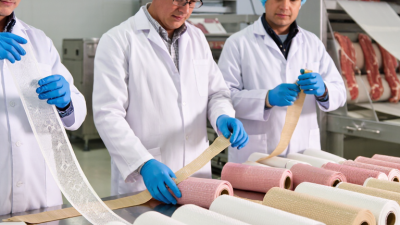
Then test them under real conditions. Stretch the netting over the intended product. Run it through the actual stuffing, tying, cooking, chilling, and peeling stages. A netting that performs well in a laboratory may behave differently on a fast production line. Small problems can become large losses.
Global buyers also need reliable export support. Check certificates, batch records, carton labeling, pallet protection, lead times, and minimum order quantities. Confirm whether the supplier can maintain consistent tension across repeat orders. This point is often overlooked.
Cost still matters. However, a cheaper roll can create irregular shapes, broken strands, or extra labor. That is not a saving.
The best choice balances product appearance, processing efficiency, food-contact compliance, shipping stability, and supplier responsiveness. Requirements vary by country and application, so buyers should verify current regulations with qualified local specialists before ordering. A careful trial remains essential.
What Is Elastic Meat Netting and Why Does It Matter?
How to Choose Elastic Meat Netting for Global Buyers?
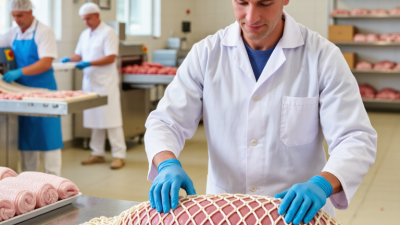
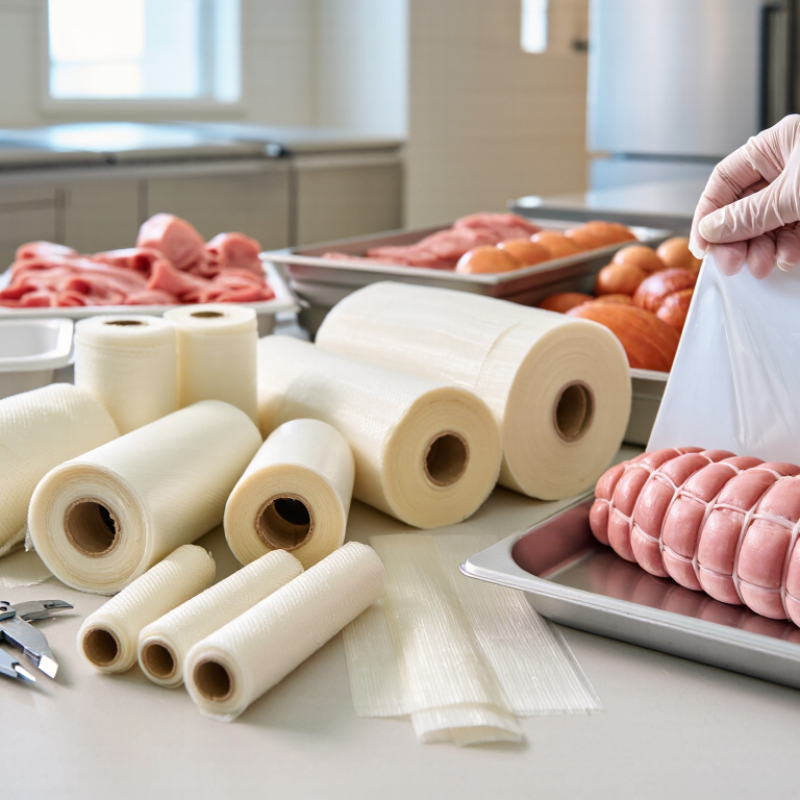
Elastic meat netting is a knitted food-processing mesh that holds meat during forming, curing, cooking, or smoking. It applies steady pressure around the product. This helps create clean slices and consistent portions. The material also supports airflow around exposed surfaces during thermal processing. For buyers, that consistency matters because global meat production reached about 374 million tonnes in 2024, according to the FAO Food Outlook. Even small packaging failures can affect large production runs.
The correct netting depends on product diameter, cooking temperature, shrinkage, and filling pressure. Check elasticity, tensile strength, mesh opening, and recovery after processing. Food-contact declarations and migration test results should be available. UNEP’s Food Waste Index 2024 reported 1.05 billion tonnes of food waste in 2022. Stronger product control may help reduce avoidable trimming and rejected pieces, although netting alone cannot solve waste. In practical trials, I would test the net on the actual meat mixture, not a substitute. A neat-looking net is not proof of performance. Sometimes, tighter tension improves shape but damages the surface. That trade-off needs review. Suppliers should provide batch traceability, temperature limits, and clear removal instructions. Small details matter.
How to Compare Netting Materials, Sizes, Strength, and Stretch?
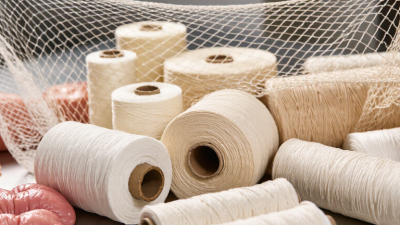
For global buyers, elastic meat netting should be compared as a working component, not a decorative wrap. Material choice affects handling, cooking performance, and product appearance. Cotton blends can provide a traditional surface and moderate grip. Polyester often offers consistent dimensions and good resistance to moisture. Nylon may deliver higher elasticity, but it can feel tighter during loading. Any elastic core should be checked for heat tolerance and food-contact suitability in the intended process. Do not rely on a supplier’s material label alone. Ask for composition, coating details, and test conditions.
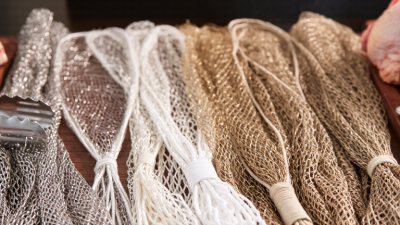
Size begins with the product’s circumference, not its weight. Measure chilled items at their widest point, then compare that figure with the net’s relaxed and working diameters. A net that is too loose may slide during handling. One that is too tight can mark the surface or split at the ends. Mesh opening also changes airflow, smoke contact, and visual pattern. Small openings usually support smaller portions, while larger openings suit broad, irregular shapes. Yet this is not universal. Product geometry matters.
Strength should be assessed in both dry and wet states, especially when the net is loaded before cooking. Request breaking strength, elongation, recovery, and performance after the planned heating cycle. Stretch should be measured at a realistic load, not only at maximum extension. In a trial, load several net sizes on actual products and inspect slipping, tearing, and surface pressure after cooling. Keep records. Testing can still surprise you. A net that performed well on a round roast may fail on a tapered cut. Recheck the choice when dimensions, brine levels, or cooking temperatures change.
What Food Safety and Global Compliance Standards Should Buyers Check?
How to Choose Elastic Meat Netting for Global Buyers?
Food safety begins with the netting material, not only the finished meat product. Buyers should request the polymer or fiber specification, colorant details, coating information, and intended temperature range. The material must suit direct food contact, cooking, chilling, and freezing conditions. EU-bound products commonly require evidence under Regulation (EC) No. 1935/2004 and applicable plastic-material rules. Other markets may require national food-contact compliance and migration testing. A general certificate is not enough.
The World Health Organization estimates that contaminated food causes 600 million illnesses and 420,000 deaths each year. This makes traceability more than paperwork. Ask for lot numbers, declarations of compliance, test reports, and change-control records. Testing should reflect real use, including fatty foods, heat, pressure, and contact duration. Also check HACCP-based controls and Codex food hygiene principles. Small residues can matter. A clean-looking net proves little.
Tips: Compare the supplier’s test conditions with your process. Confirm overall and specific migration results. Check tensile strength after cooking. Inspect elastic recovery after stretching. Request samples from multiple production lots. Verify packaging cleanliness and foreign-matter controls. Do not rely on one audit. Standards evolve, and buyers can miss updates. A written specification, reviewed annually, reduces that risk.
How to Choose Elastic Meat Netting for Global Buyers?
Food-contact compliance should be checked against the destination market, polymer type, additives, colorants, processing conditions, and intended contact with meat. The chart shows the reference years of selected food-contact regulatory frameworks that may apply to elastic meat netting.
Buyer checklist: Request a food-contact declaration of compliance, full material and additive composition, migration-test results, GMP evidence, batch traceability, and confirmation that the netting remains compliant under the intended cooking, smoking, freezing, or refrigeration conditions. EU buyers should review Regulations (EC) No 1935/2004 and No 2023/2006; U.S. buyers should verify the applicable FDA food-contact authorization; buyers in Japan and China should check the applicable positive-list and national-standard requirements.
Reference years shown: U.S. FDA 21 CFR 177.1520 reference, 1977; EU Regulation (EC) No 1935/2004, 2004; EU Regulation (EC) No 2023/2006, 2006; Japan synthetic-resin positive-list system, 2020; China GB 4806.7-2023 effective from 2024.
How to Select Suppliers, Confirm Samples, and Manage Bulk Orders?
How to Choose Elastic Meat Netting for Global Buyers?
For global buyers, supplier selection should begin with process evidence, not attractive photos. Ask about polymer composition, mesh size, elastic recovery, tensile strength, and food-contact documentation. Request recent test reports and production records, with sensitive commercial details removed. Confirm whether the netting suits cooked ham, poultry, or other products. Temperature, casing diameter, and filling pressure can change performance. A supplier who answers precisely is easier to audit.
Sample approval needs more than a visual check. Send the supplier your real product dimensions, target weight, cooking temperature, and packaging method. Test several pieces from different rolls. Measure stretch, knot stability, cut resistance, and shrinkage after cooking. Record results with photographs and lot numbers. It may sound excessive. It prevents expensive surprises. Still, one sample cannot represent every future batch, so approval should include clear tolerance limits.
For bulk orders, define carton quantity, roll length, labeling, moisture protection, and delivery dates in writing. Use a pre-shipment inspection when the order is large. Compare production samples against the approved reference, not memory. Keep a small reserve for incoming quality checks. Delays can happen, even with capable suppliers, so build realistic buffer time. I would also review the first shipment honestly; a perfect specification may still expose an overlooked handling problem.