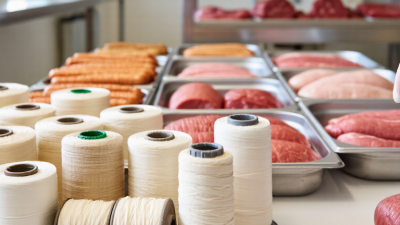
What Are the Top Types of Butchers Netting?
Choosing the right butchers netting can shape a product’s appearance, structure, and customer appeal. It also affects handling during cooking, smoking, chilling, and slicing. The best option depends on the meat’s size, moisture level, cooking method, and desired surface pattern.
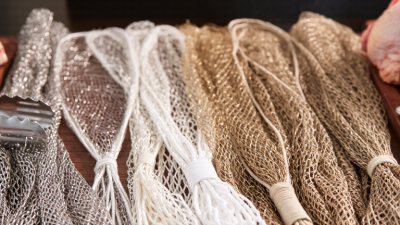
In practical terms, meat scientist Dr. Jeffrey Sindelar says, “The right netting must support the product without compromising its appearance.” This principle helps explain why elastic netting remains popular for rolled roasts and formed cuts. It stretches evenly and creates a familiar lattice pattern. Cotton netting offers a more traditional finish and can hold irregular shapes securely. Polyester netting is valued for strength, consistency, and resistance during demanding processing conditions. Stockinette can provide a smooth outer layer beneath stronger netting, especially for delicate products.
That sounds simple. It is not.
A supplier may describe two products as “high strength,” yet their stretch, mesh size, and release performance can differ noticeably. A tight mesh may improve shape retention but leave deeper marks on softer meat. A looser mesh can look attractive but fail to control uneven portions. Small details matter, including temperature, moisture, and the operator’s tying technique.
This guide examines the top types of butchers netting and explains where each performs best. It also considers practical limitations, because no material suits every product. Experienced processors should test samples under real production conditions. A short trial often reveals more than a polished specification sheet.
Definition and Role of Butchers Netting in Meat Processing
What Are the Top Types of Butchers Netting?
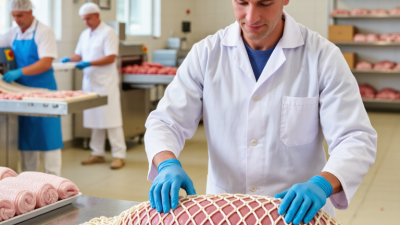
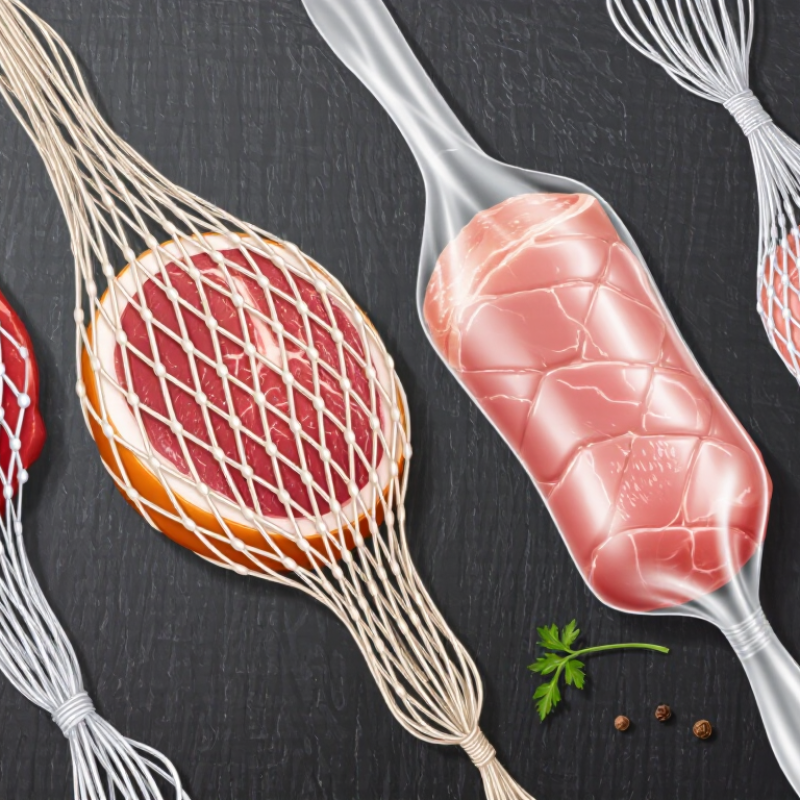
Butchers netting is a food-grade mesh placed around meat before cooking, smoking, chilling, or display. It supports irregular cuts and helps create a firm, even shape. The mesh also reduces splitting during handling, especially around rolled beef, pork, poultry, and cured products.
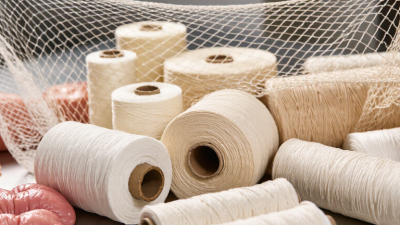
Elastic knitted netting is widely used for roasts because it stretches around different diameters. Cotton netting offers a traditional appearance and can provide strong compression during cooking. Fibrous netting is more rigid and suits larger products requiring consistent sizing. Heat-resistant and smoke-permeable versions are selected for cooked or smoked meats. Each type must match the product’s temperature, moisture, fat level, and processing time.
The choice is not always obvious. A tight mesh may improve shape but leave marks on delicate surfaces. A loose mesh may release juices and weaken the final slice. In practical processing, operators check tension by hand before loading the product. They also inspect the netting for broken strands, poor alignment, and unsafe contact with non-food materials. The FAO Food Outlook 2024 estimated global meat production at approximately 365 million tonnes, showing the scale of processing where consistency matters. USDA FSIS guidance also emphasizes sanitary handling, contamination control, and validated processing conditions. These reports do not replace plant-level testing. A netting sample can behave differently after freezing, thawing, or prolonged heating. That detail is easy to overlook.
What Are the Top Types of Butcher's Netting?
Common nominal diameters used for different meat-processing applications
Butcher's netting is an elastic food-processing sleeve used to hold meat in a consistent shape during stuffing, tying, cooking, smoking, chilling, and slicing.
Common types include cotton netting, polyester netting, cotton-polyester blends, and elastic netting made with a rubber or elastomer core. Smaller diameters are generally selected for individual roasts and poultry, while larger diameters are used for hams, rolled roasts, and other large whole-muscle products.
The diameters shown are common nominal size options in the trade. Actual selection depends on the meat diameter, required compression, cooking method, and the netting manufacturer's specifications.
Elasticized Netting with Casings for Shaped and Stuffed Meats
In practical meat preparation, elasticized netting with casings is a dependable choice for shaped and stuffed products. It holds the filling firmly while the meat cooks, smokes, or chills. The netting creates a regular surface and helps form neat slices.
Common options include cotton, polyester, and blended elastic netting. Cotton often suits traditional roasts and products needing a natural appearance. Polyester can provide consistent stretch and strong shape retention. A casing inside the netting can protect the filling, reduce moisture loss, and improve handling during cooking. Material selection still depends on temperature, processing time, and food-contact requirements.
Size matters more than many beginners expect. A net that fits too loosely may leave wrinkles and uneven pressure. One that is too tight can squeeze filling through weak spots. I usually test a small piece first, especially with new recipes. My first trial was not perfect; the ends loosened after cooking. Better tying and a slightly smaller mesh solved part of the problem. Not every product needs the same tension.
Experienced processors also check elasticity after wetting and heating. The netting should expand with the meat, then maintain its shape during cooling. Clean storage, accurate sizing, and careful loading reduce avoidable defects. Small details show up clearly in the final cut.
How to Choose the Right Butchers Netting for Each Product
What Are the Top Types of Butchers Netting?
How to Choose the Right Butchers Netting for Each Product
Butchers netting is selected by product behavior, not appearance.
Elastic cotton netting suits cooked hams and boneless roasts that need gentle shaping.
Polyester or blended netting offers stronger tension for heavier cuts.
Smaller mesh supports narrow products, while wider mesh suits broad, irregular roasts.
The fit matters.
Loose netting creates uneven cooking and weak presentation.
A practical trial should check diameter, weight, stretch, cooking temperature, and removal after chilling.
For smoked products, choose netting with stable openings that support smoke contact without damaging the surface.
For oven-ready items, confirm the material’s temperature rating and food-contact suitability.
The FDA Food Code 2022 stresses that food-contact materials must be safe and suitable for their intended use.
That point is easy to overlook.
FAO’s 2019 report estimated that 14% of food is lost between harvest and retail,
making handling efficiency important across the supply chain.
The Smithers report, The Future of Global Meat Packaging to 2028, also identifies convenience and product protection as major packaging drivers.
Netting cannot prevent every quality problem.
It can reduce deformation and improve portion consistency.
I would not choose by color alone.
A net that looks attractive may stretch poorly, cut into the meat, or fail during cooking.
Test a small batch first.
That imperfect step often reveals more than a supplier’s specification sheet.